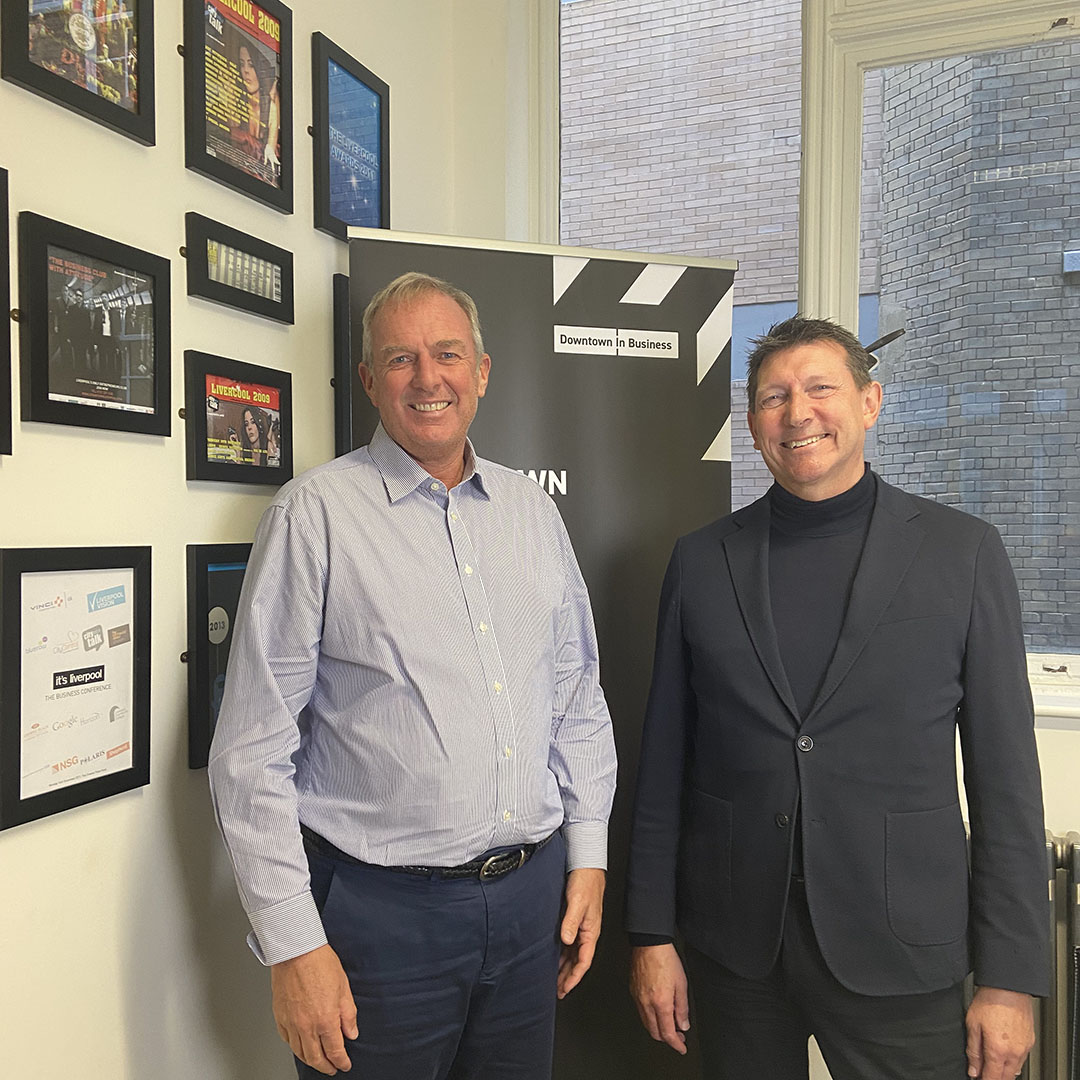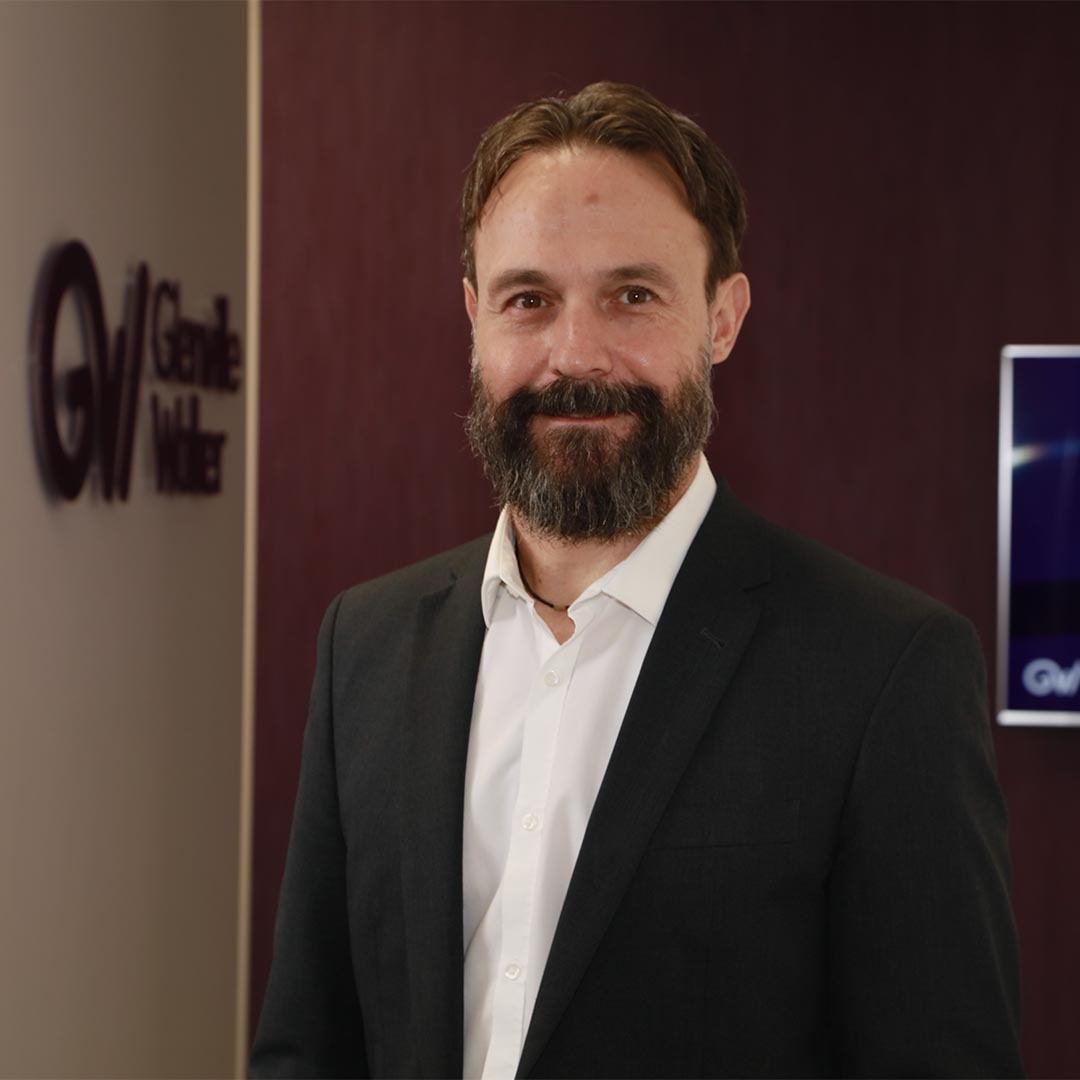
Downtown in Business group chair and chief executive Frank McKenna has warned that Lancashire risks “missing its moment” unless political leaders across the county urgently address the long-standing structural barriers that continue to stifle economic growth, inward investment, and the wider regional economy.
McKenna said that despite huge opportunities on the horizon — including the arrival of the National Cyber Force at Samlesbury, large-scale housing and regeneration proposals, and the potential rise of Preston as the economic engine of the county — Lancashire is still being held back by “an entrenched culture of fragmentation, caution, and inconsistency.”
“Lancashire has the assets, the talent, and the potential to be one of the fastest-growing regions in the UK,” he said. “But the uncomfortable truth is this: we spend too much time arguing among ourselves, blocking opportunities, and failing to present a united, confident story to government or investors. Until that changes, we will continue to lag behind Manchester, Liverpool, the West Midlands, and even smaller counties who simply move quicker.”
Downtown in Business has identified major barriers that continue to undermine Lancashire’s growth ambitions, including:
· Chronic political fragmentation, with districts, unitaries, and the county council failing to consistently act as one region.
· The absence of a Combined Authority or metro mayor, leaving Lancashire with no single strategic voice.
· Planning delays and inconsistent decision-making, deterring major developers and investors.
· A defensive, risk-averse mindset across parts of local government, slowing regeneration and investment.
· Weak regional branding, with no coherent narrative to sell Lancashire’s strengths on a national or global stage.
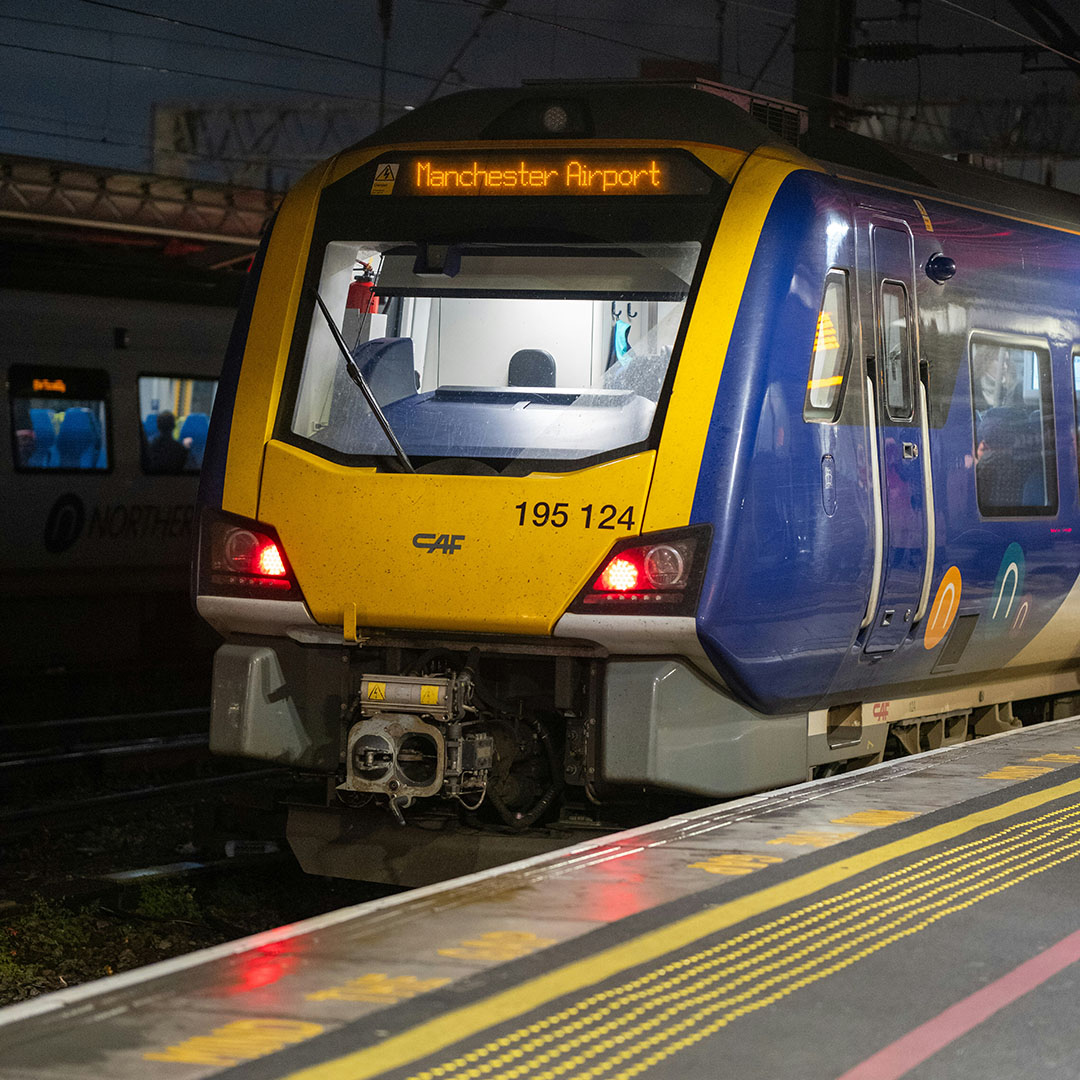
· Poor transport integration and patchy infrastructure, especially east–west connectivity across the county.
· Preston failing to take advantage of its city status, and rather than acting as the economic growth hub for the County, accepting a role as a junior partner in discussions about Lancashire’s future.
· Compliant private sector ‘stakeholders’ who appear to be reluctant to call out poor decision-making at local government level and fail to hold leaders to account.
McKenna added:
“Lancashire’s greatest barrier isn’t geography or economics — it’s governance. Until the councils stop operating like individual fiefdoms and start behaving like a modern, ambitious region, we will never unlock our full potential. Investors want clarity, confidence and scale. At the moment, we too often offer confusion, caution and contradiction.”
He urged local leaders to use 2026 as a “reset moment,” calling for renewed momentum behind a Lancashire devolution deal, a unified investment strategy, and a far stronger partnership with the business community.
“The good news is that every barrier we’ve identified is fixable. None of this requires a miracle — it simply requires political will, joined-up thinking, and a new level of ambition. Lancashire deserves better than drift. It’s time to get out of our own way and step forward as the major player we should be.”