
Populism, Playlists and Polling: What the Gorton & Denton By‑Election Might Reveal About UK Politics Today and Tomorrow
I’ve spent the past decade strategizing, reviewing and commenting on elections in the U.S. and been left with the thought – “Surely it can’t get any stranger?”.
But wait, the Gorton and Denton by‑election, scheduled for 26 February, has rolled into view, and the political circus is back in town with all the popcorn-spilling chaos you’d expect.
Triggered by the resignation of former Labour MP Andrew Gwynne, this by‑election has quickly turned into an unexpected national spectacle. What was once a safe Labour bastion is suddenly looking like a three-way tug‑of‑war between left‑scented populism, right‑flavoured populism, and Labour Party un-populism.
Labour has held the areas forming the Gorton and Denton constituency for decades – Manchester Gorton since 1935 and Denton and Reddish since 1983, so historically, this should be an easy hold.
But 2026 isn’t playing by historical rules.
The Greens, long considered the also rans and underdogs of electoral politics, are suddenly being tipped as bookmakers’ favourites to win the by‑election at short 6/4 odds, ahead of Reform at 13/8, while a Labour victory will return 2/1.
A key twist in this plot comes courtesy of Labour itself, which blocked Greater Manchester Mayor Andy Burnham from standing as its candidate in what was a risky electoral plan to get him back to Westminster and potentially challenge Kier Starmer for the leadership of Labour and the reward of the keys to number 10 that provides.
Unsurprisingly, the party’s National Executive Committee (NEC) publicly declared the cost of holding a subsequent mayoral by‑election would be too high, which prompted outrage from local members who described the decision as “total nonsense” to not select the strongest candidate and warned that the party might now lose the seat.
The result? Labour faces simultaneous threats from both flanks: the Greens on its left and Reform UK on its right – a classic political pincer movement which feels almost tailor‑made for a future politics textbook.
Across the constituency’s southern wards – ethnically diverse, youthful, and bursting with students and graduates – the Greens are gaining traction. According to political pollsters, these areas mirror national trends where Labour has been losing support to the Greens, particularly among voters frustrated with centrist compromises.
The Greens, along with the far-left Workers Party, are also targeting the constituency’s large Asian and Muslim population – about 25% of registered voters – with anti-Israel and pro-Palestine messaging.
If left‑wing populism in Greater Manchester has a vibe, it’s something like “Crush the Zionists, tax the billionaires, and maybe plant a few community gardens while we’re at it.”
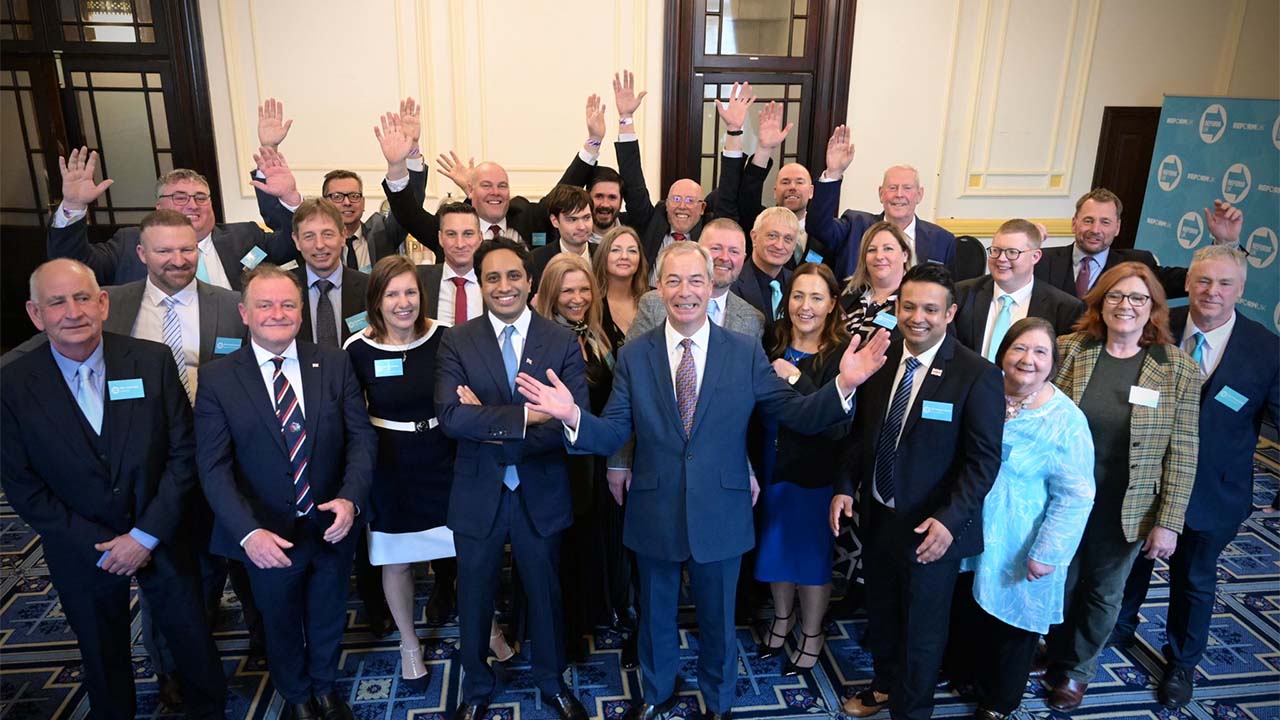
Then there’s Reform UK, who are looking to tap into the constituency’s white, working‑class northern wards and their economic disillusionment and cultural anxieties.
However, Reform’s messaging – and their selection of a right-wing academic from the home counties who seems more comfortable on the sofa in a GB News TV studio in west London than sharing a pint outside the Crown Point Tavern on Market St in Denton – suggests that while they will say it is about local people and Manchester, this by-election is being used as a surrogate referendum on Kier Starmer and Labour’s record in Westminster ahead of nationwide polling in May.
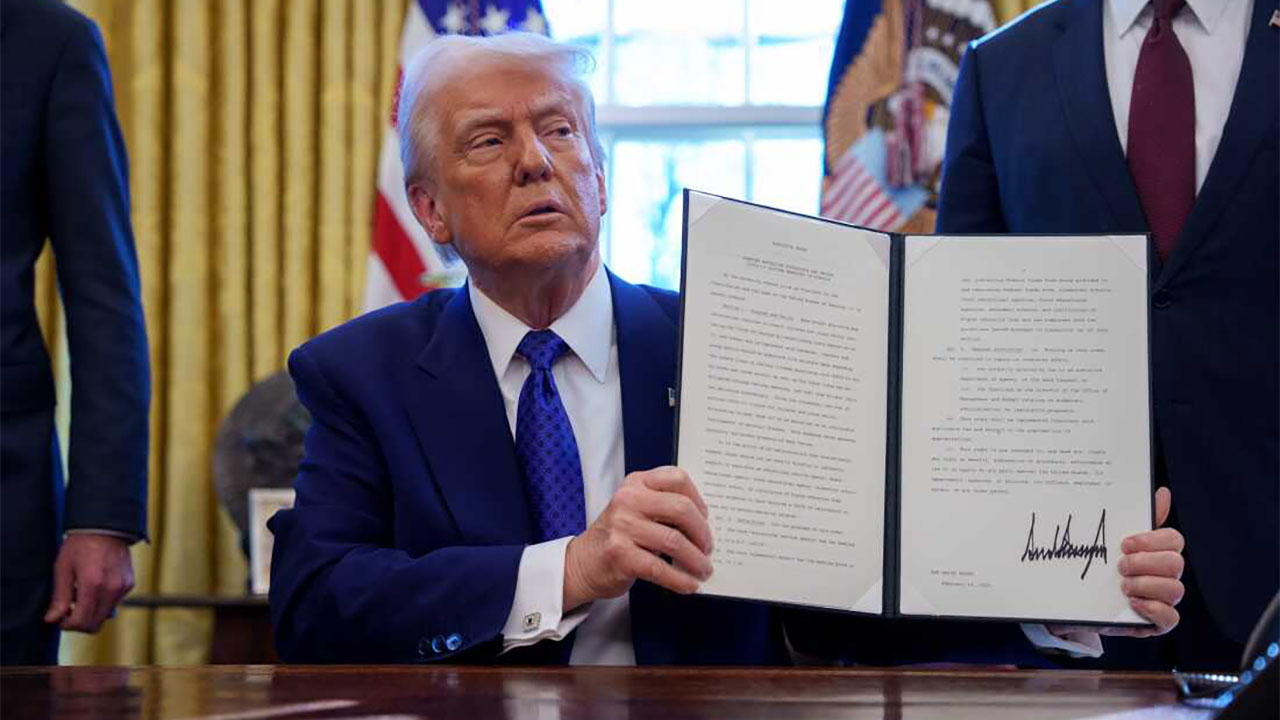
Gorton and Denton may be where echoes of right‑populist movements embodied by the MAGA movement in the United States will be heard loudly.
MAGA’s success, most recently seen in its continued electoral influence and dominance within right‑wing American politics, shows how powerful identity-driven, anti‑establishment narratives can be.
Just as MAGA redefined the Republican Party, Reform seems intent on reshaping the British right – and by extension the Conservative Party – in its own populist image.
If the Greens and Reform seem wildly different on the surface, consider this: both are essentially anti‑establishment movements which claim to speak for “the people” against “the elites.”
The difference lies mostly in the aesthetic deployed.
The Greens’ version of populism is hand‑drawn signs, renewable energy badges, and “we can do better” while Reform’s Right‑wing populism is all‑caps slogans, border controls, flag waving and “we’ve had enough.”
Same message, different font.
The MAGA movement in the US provided a particularly bold example of how populist energies can galvanise millions. Its undisputed success shows that populism doesn’t need to offer detailed policy—it just needs to deliver emotional clarity, a sense of belonging, and a story about who’s to blame.
Sounds familiar, doesn’t it?
So, we’re now getting a front‑row seat to the UK’s political realignment. The by-election will be a real, messy, energetic shift in how people – especially younger voters -align with traditional and emerging parties.
Clearly, political identity is becoming more fragmented. Where older generations often stuck with one party for life – the formula Labour and Conservatives used to build political bases and strongholds – today’s voters treat politics a bit more like their Spotify playlists – curated, eclectic, and ruthlessly deleted when they get bored or the seasons change.
No matter the outcome, on the evidence to date the Gorton and Denton by‑election shows that populism isn’t going away. Whether it’s the hopeful, activist energy of the Greens or the fiery, anti‑immigration rhetoric of Reform, both sides are tapping into feelings that traditional parties have struggled or chosen not to address.
It also demonstrates how by-elections matter. I can recall by-elections in the past revealing new political landscapes. Labour’s Ben Chapman winning Wirral South led the way for New Labour’s landslide victory in 1997. The SNP winning Glasgow East changed the face of Scottish politics, and most recently Reform’s win in Runcorn and Helsby by a mere 6 votes showed the right-wing protest party could boost its parliamentary numbers by winning elections not just courting defections.
So, suddenly a by‑election in Greater Manchester is a microcosm of national and even global political turbulence. Labour, once unshakeable in this seat, faces a three‑way contest that could reshape our national politics. The Greens are grinning, Reform are growling, Labour are grimacing, and voters are… well, probably trying to avoid it.
And in the background, echoing across the Atlantic the MAGA movement reminds us how powerful populist energy can be if it finds the right spark.
Whatever happens on 26th February, it won’t be boring. And in the world of contemporary politics, that’s half the fun isn’t it?