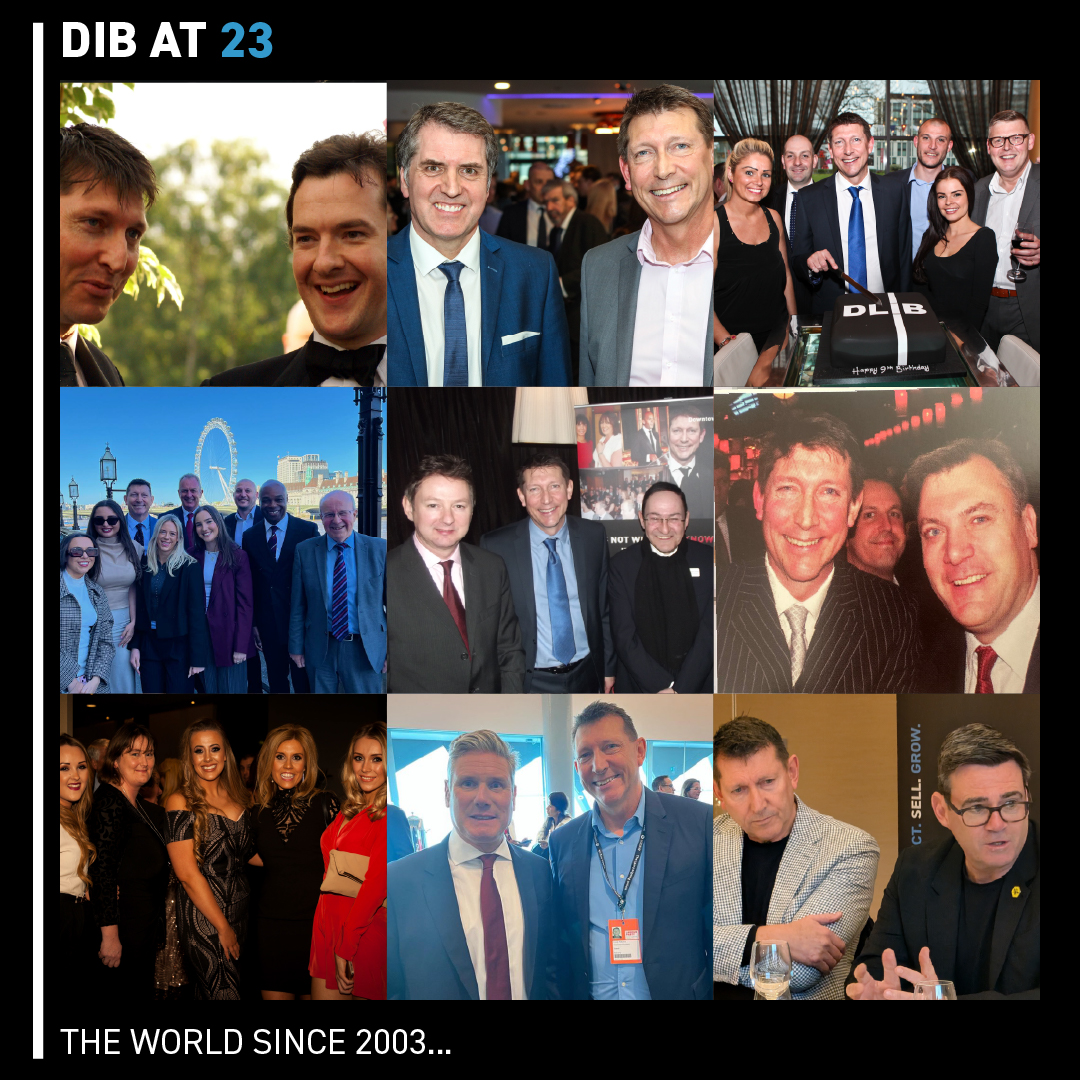
Last week, Downtown in Business celebrated its 23rd anniversary with a typically lively party at the Sky Bar in Liverpool’s INNSIDE by Melia hotel.
Liverpool was the city where the DIB journey started of course, and in the past two decades and a bit the brand has been established in Lancashire, Manchester, Leeds, Birmingham, Wolverhampton, Newcastle, Cheshire & Warrington and London.
Since 2003 Downtown has been facilitating introductions, encouraging public-private sector partnerships, hosting glittering awards events to celebrate the best of business in our regions, leading campaigns on key issues that impact on commerce, including devolution, planning reform, support for struggling industry sectors, skills, training and apprenticeships, and business-friendly policies to help economic growth.
In the core cities where we operate- and in the wider national and international world of business and politics- many things- good and bad, and indifferent- have happened. So we thought we would take you on a trip down memory lane, and offer a round-up of the key highlights that have dominated the news during Downtown’s life so far….
Downtown at 23: The World Since 2003
2003–2008: War, boom, bust – and Liverpool takes centre stage
Downtown in Business was born in 2003, the year Britain joined the US-led invasion of Iraq, Tony Blair was still the dominant figure in UK politics, and the global economy was apparently motoring along nicely – until it very much wasn’t.
These were the years of New Labour confidence, city-centre living, cranes on skylines, and an increasingly globalised economy. But by 2007-08, the financial crisis had arrived, Northern Rock had collapsed, and the age of easy money was over.
By 2007, Tony Blair, who had led Labour to an historic third General Election victory, had been replaced by Gordon Brwon as prime minister.
For DIB’s home city, Liverpool, the defining moment was 2008: European Capital of Culture. It changed perceptions, boosted confidence, and reminded the rest of the country that Liverpool was not a city of the past, but a city with serious future ambition.
Elsewhere, Manchester continued its post-bomb renaissance, Leeds strengthened its position as a financial and professional services powerhouse, Birmingham pushed ahead with major regeneration, and London prepared for its own global showcase: the 2012 Olympic Games.
2009–2015: Austerity, coalition, recovery — and the rise of devolution
The crash shaped everything. The 2010 General Election produced the Conservative-Liberal Democrat coalition, austerity became the defining economic policy of the age, and businesses across the UK had to adapt fast.
Scotland’s independence referendum in 2014 shook the constitution, while the same year saw Greater Manchester strike a landmark devolution agreement with government. The “Devo Manc” era had begun – and English city-regions were suddenly back in the national conversation.
London delivered the 2012 Olympics and Paralympics, a rare moment of national unity and global admiration. In the regions, the argument for investment, transport, skills and local leadership gathered force.
For Downtown, this was fertile territory: the age of city leadership, mayoral power, private-sector partnerships and regional ambition was moving from campaign rhetoric to political reality.
2016–2021: Brexit, Trump, Covid — and cities forced to lead
If 2003-08 was dramatic, 2016-21 was history on fast-forward.
The UK voted to leave the European Union in 2016. David Cameron resigned, Theresa May struggled to deliver Brexit, Boris Johnson won a large majority in 2019, and the UK formally left the EU in 2020.
Globally, Donald Trump’s election, rising populism, the climate emergency, and increasing tensions with Russia and China reshaped politics and business confidence.
Then came Covid-19. Lockdowns, furlough, remote working, empty city centres and closed hospitality venues created the biggest peacetime shock most businesses had ever faced.
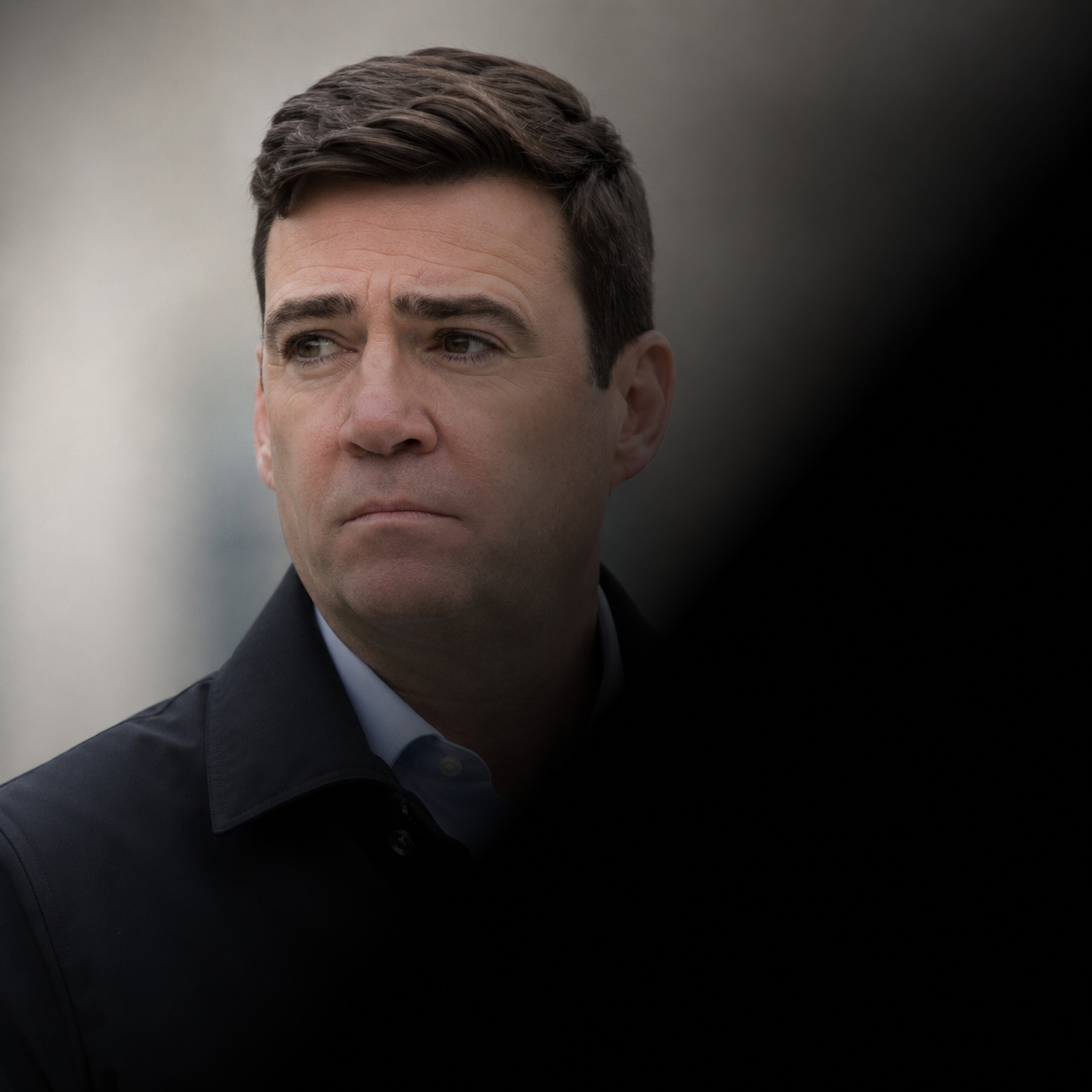
But there were also major regional moments. Andy Burnham was elected Mayor of Greater Manchester in 2017, giving the city-region a powerful national voice. Channel 4 chose Leeds for its National HQ, a huge vote of confidence in the city’s creative sector. Newcastle’s football landscape changed dramatically in 2021 with Saudi-backed investment in Newcastle United.
Liverpool, meanwhile, shed itself of the vanity badge that was UNESCO World Heritage status – something which had cost the city billions in potential investment in key regeneration projects, and threatened the development of a new stadium for Everton Football Club on the waterfront. Downtown in Business had led the campaign to implement this welcome change.
2021–2026: War, inflation, instability, as regional Britain fights back
The post-pandemic recovery was quickly overtaken by Vladimir Putin’s invasion of Ukraine in 2022, an energy crisis, inflation, higher interest rates and serious pressure on households and businesses.
British politics was no less turbulent: Boris Johnson fell, Liz Truss came and went in record time, Rishi Sunak steadied the ship but lost the 2024 General Election, and Keir Starmer entered Downing Street with a huge Labour majority.
Met with relieve by many in the business community, following years of psychodrama within the Tory Party, the new government quickly seemed to abandon its business-friendly rhetoric, increasing employers NI contributions, the minimum wage, and reforming employment law. The failure of Starmer and his chancellor Racel Reeves led to another prime ministerial resignation – with Andy Burnham now set to become Britain’s seventh PM in just ten years.
In the cities, however, ambition refused to die.
Birmingham hosted the 2022 Commonwealth Games, giving the city and the wider West Midlands a platform few regions ever receive.
Manchester continued to set the pace on devolution, transport, innovation and city-region leadership – and became the first city outside of London to host the BRITS in 2026.
Leeds built on the Channel 4 move and its growing reputation in media, legal, finance and digital. Newcastle became one of the most talked-about football and investment stories in Europe.
Wolverhampton pushed forward with regeneration and innovation ambitions. Lancashire and Cheshire & Warrington moved deeper into the devolution debate. London, despite Brexit, Covid and cost pressures, remained one of the world’s great business capitals.
Liverpool secured its reputation as one of the best party cities on the planet when it hosted a spectacular Eurovision in 2023.
Across these 23 years, there have been wars, crashes, referendums, pandemics, political earthquakes and economic shocks.
But there has also been resilience, reinvention and regional ambition.
That, more than anything, is the Downtown story.
Since 2003, DIB has not simply watched these changes happen. It has been in the room – connecting people, challenging government, championing business, celebrating success, and arguing that the UK’s future will not be built by Whitehall alone.
It will be built in Liverpool, Lancashire, Manchester, Leeds, Birmingham, Wolverhampton, Newcastle, Cheshire & Warrington, London – and every city and region with the confidence to lead.
Thank you for all of those who have supported DIB on our journey. We are looking forward to seeing what the next 23 years brings…