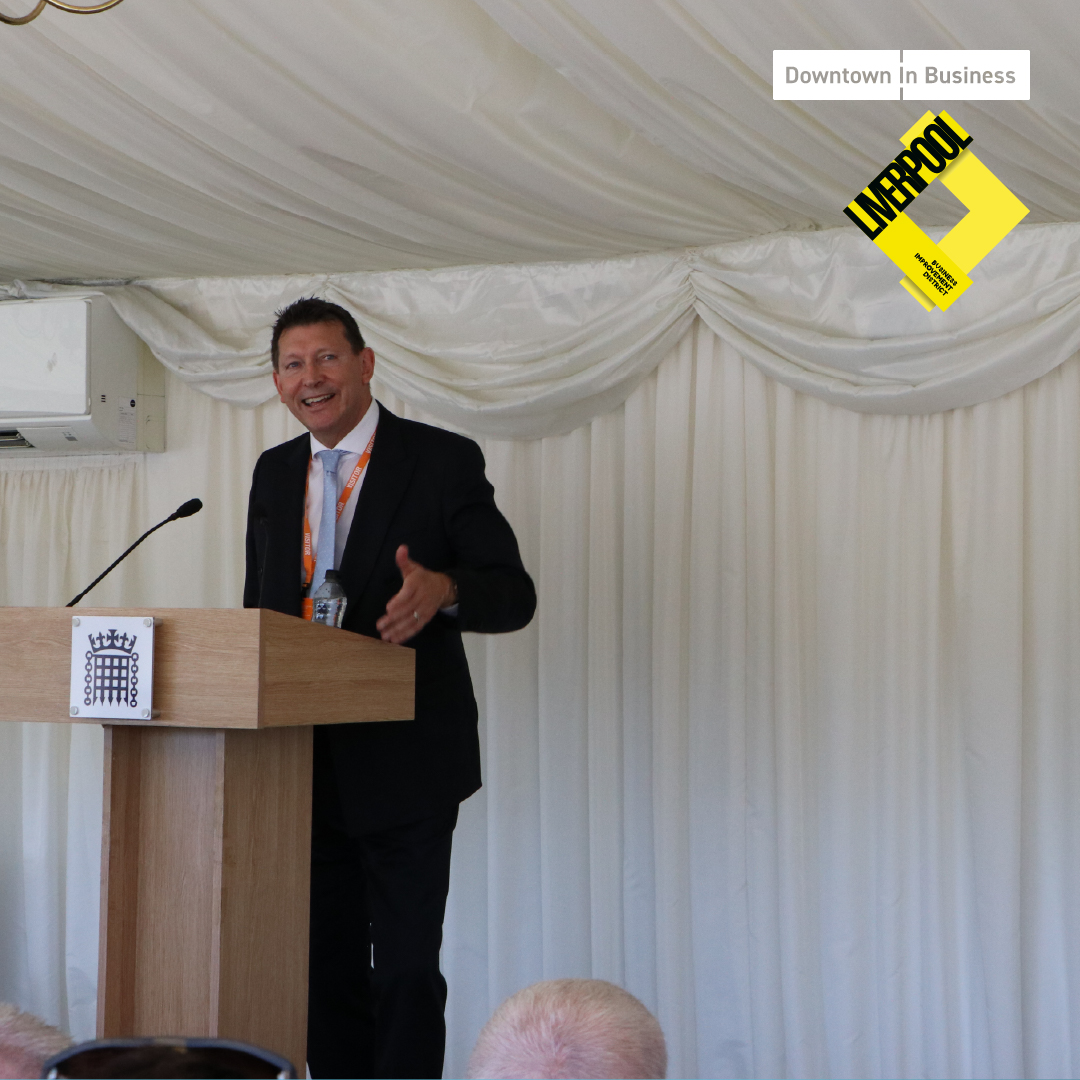
The Liverpool Business Improvement District and Downtown in Business will lead a delegation of industry leaders from the hospitality sector and wider visitor economy this week, as they launch their national campaign ‘Unlock Britain’s Visitor Economy’ at Westminster next week.
A parliamentary lunch in the House of Commons on Thursday 29th January, will see discussions focus on support for the industry, as the delegation meets Ministers and Advisors to discuss the challenging economic climate for the sector.
The campaign is urging the government to adopt a pro-growth agenda for hospitality, retail, tourism, and city centre regeneration.
With figures representing key sectors and city regions from across the country, the coalition will call for urgent, key economic decisions to be made to support the visitor economy.
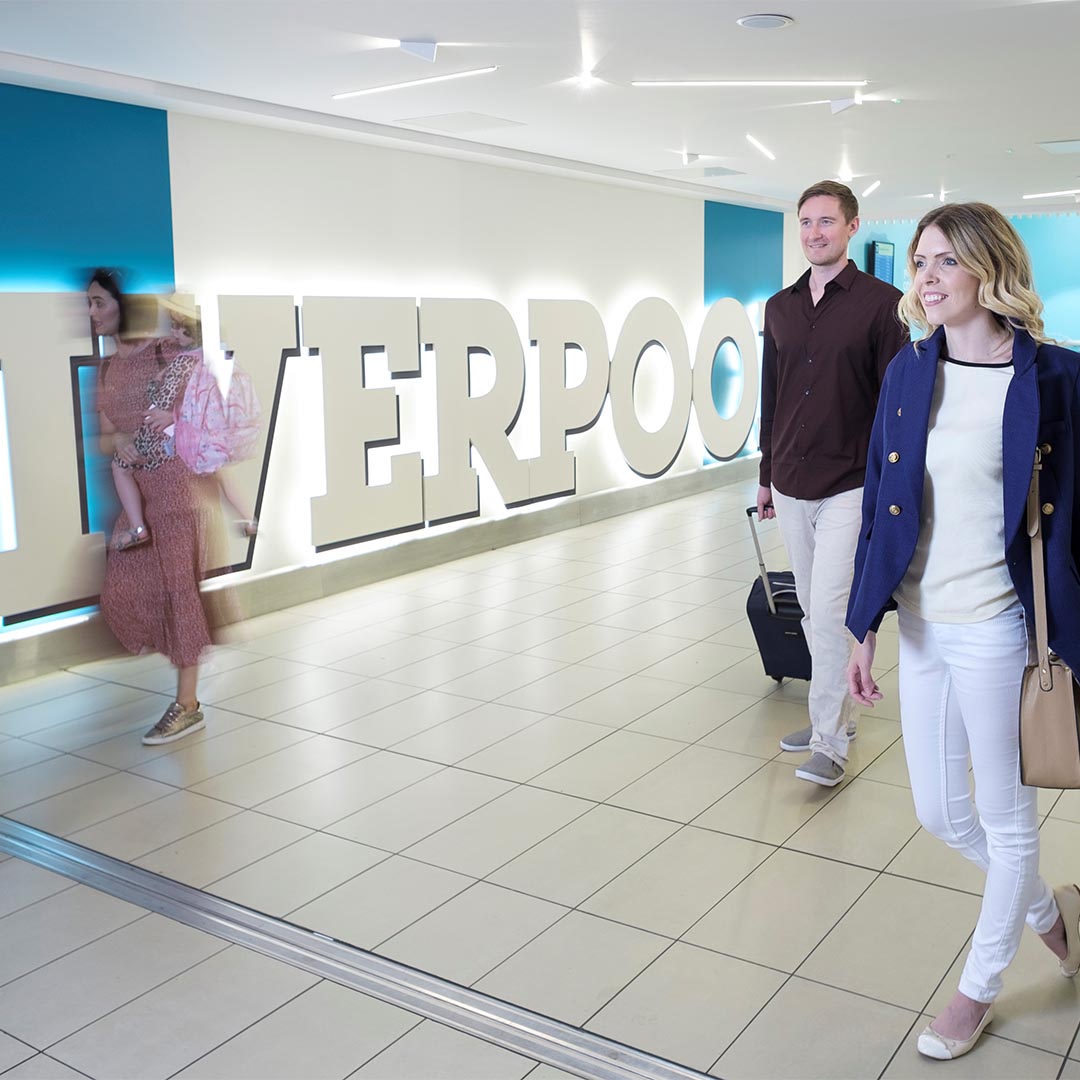
Liverpool is used as a case study of visitor economy success, but also as an average city size model for the economic impact of policy choices. Two decades ago, the city was preparing for its year as European Capital of Culture in 2008, which saw visitor spend increase from £1.4bn to £1.6bn. The ambition for the city was to increase the value of its visitor economy to £2bn by 2020. Instead, it reached £4.98bn in 2019 and now stands at £6.2bn with over 60 million visitors a year.
Despite the economic value of the sector, policy decisions from the central government risk the viability of the industry. The Business Rates changes, for example, will see an average increase of 9.4% in business rates, equating to £5.5k per business. For other businesses who will see an increase in their rates, the average increase is £9k per business. 60% of Liverpool’s city centre businesses will see the maximum increase of 15% or 30% due to the transitional relief cap in the first year. Hardest hit are hotels and apart-hotels, with a 29% increase in their rates, around £19.6k per business.
Changes to the valuation of businesses will see much higher costs. The additional super-tax multiplier on anchor stores, those with a rateable value of over £500k will see an average £30k increase to their business rates in the first year. Major leisure venues will see an increase of around £470k in their rates.
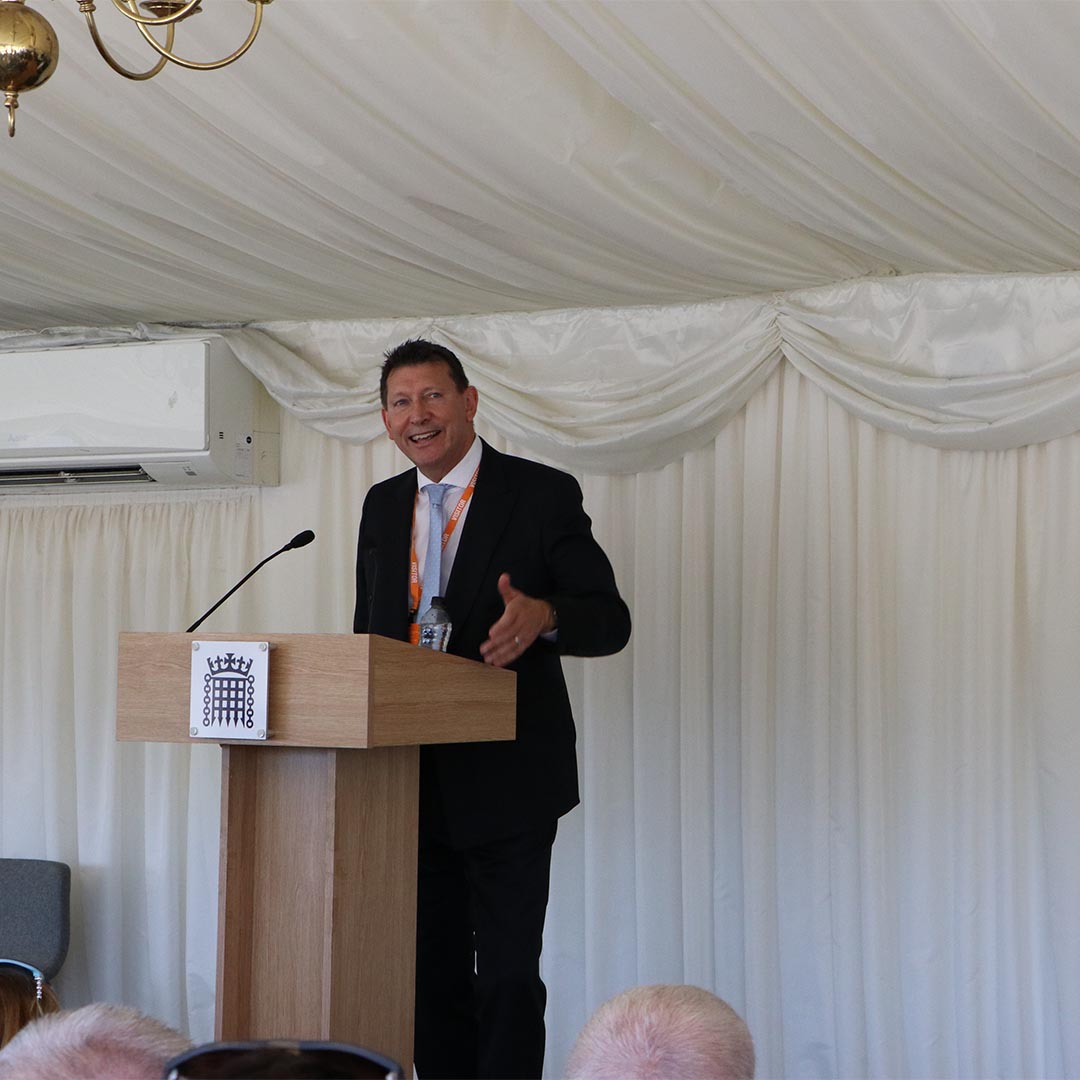
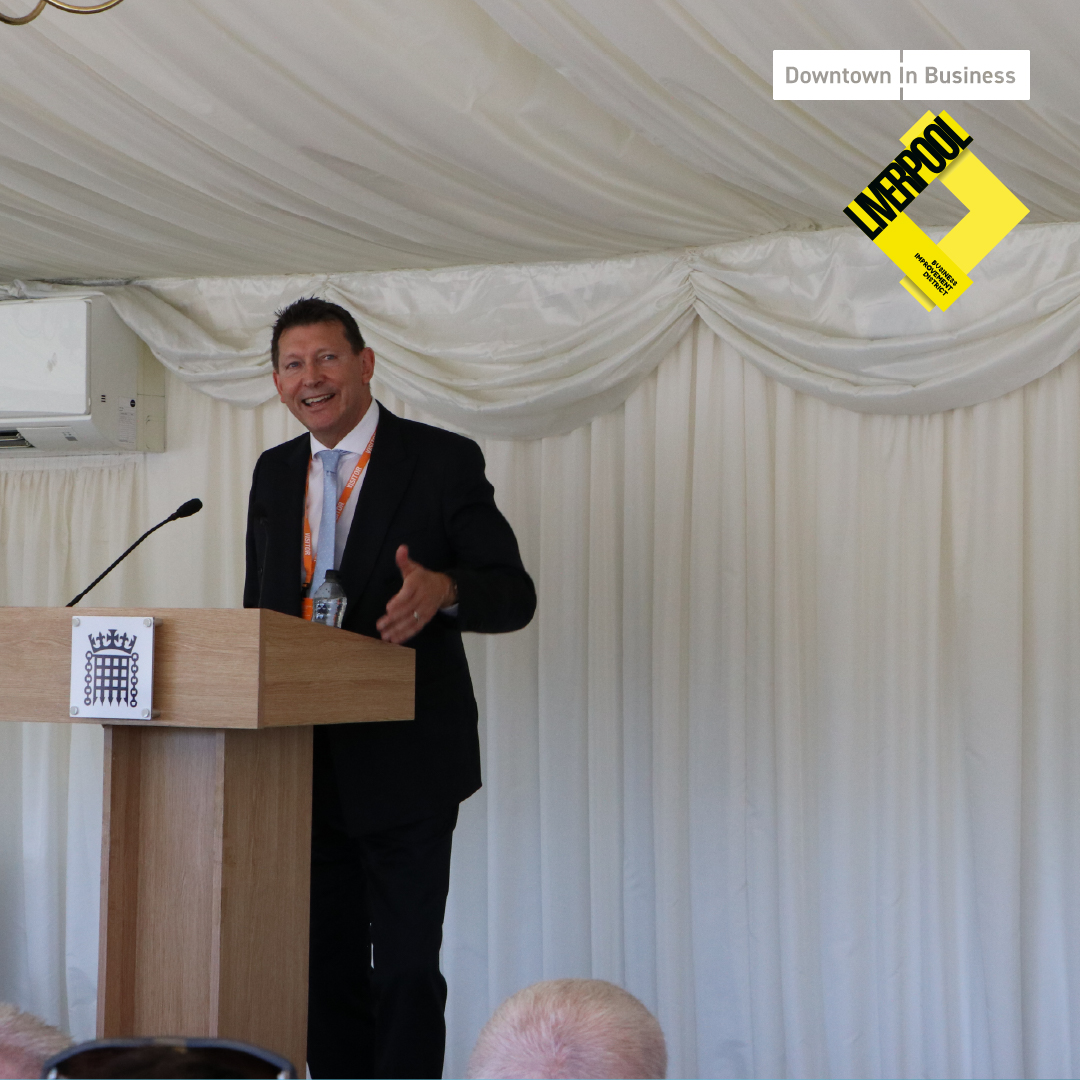
Bill Addy is CEO of Liverpool Business Improvement District and says:
“What we’re seeing is a real risk to our high streets and city centres from policy decisions that are poorly planned out. We are bringing leading figures from hospitality and leisure to emphasise the value of this sector to our cities, to our visitor economy. Liverpool is not unique in its visitor economy offer, but as a city we provide a value case study of the real time economic impact of these decisions. We, like other cities across the country, have worked so hard as a city to recover from Covid. The last thing we want to see is vibrant, stable and resilient businesses being side-swiped by a massive increase in running costs. It isn’t viable”.
Frank McKenna, Chief Executive and Group Chair of Downtown in Business, says:
“Industry is able to tell the government directly, from their shop fronts, about the impact of decisions far away in Whitehall. It isn’t just catastrophic Business rates, but a lack of strategic focus on what is the engine of our cities. The visitor economy is what gives local places their culture and character. It fuels jobs and localised economies, tying together transport hubs with leisure and culture. We risk seeing this industry being scythed by political decisions that don’t properly hear from those affected”.