Downtown in Business and Liverpool Business Improvement District call for urgent action to restore UK competitiveness
Leading business organisations Downtown in Business (DIB) and Liverpool Business Improvement District have called on the Government to take urgent action to support the UK’s visitor economy, warning that current policies are undermining international competitiveness and holding back growth.
In a joint submission to the Culture, Media and Sport Select Committee’s inquiry into the future of UK tourism, the organisations set out a clear blueprint to unlock growth, placing a reduction in VAT for hospitality at the top of the Government’s agenda.
DIB and Liverpool Business Improvement District argue that the UK’s high VAT rates are placing hospitality and tourism businesses at a significant disadvantage compared to European competitors, increasing costs for visitors and limiting the sector’s ability to invest, grow, and create jobs.
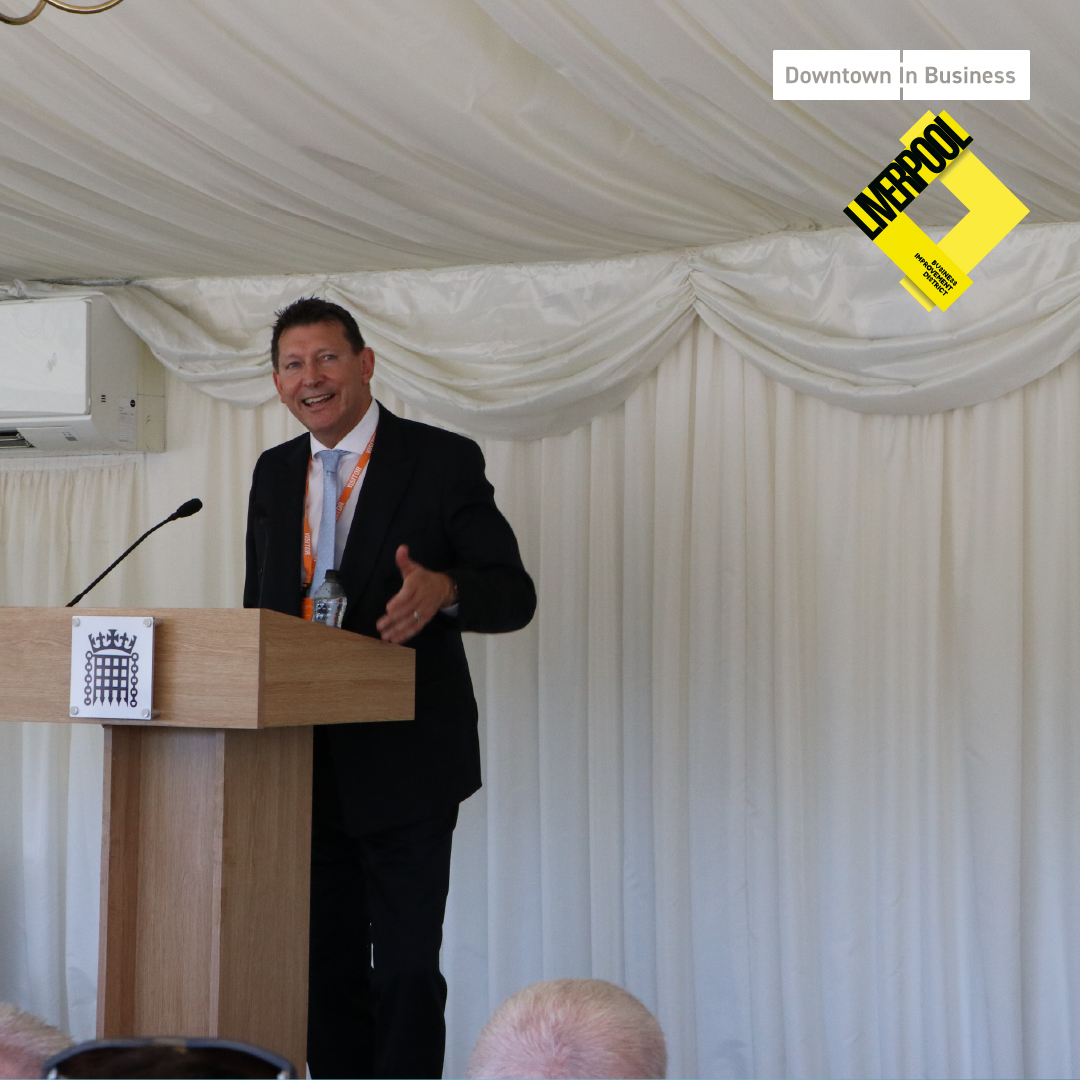
Frank McKenna, Group Chair and Chief Executive of Downtown in Business, said:
“Put simply, the UK has a competitiveness problem, and VAT is at the heart of it.
“If the Government is serious about growing the visitor economy, supporting high streets, and driving regional growth, then reducing VAT on hospitality is the single most effective step it can take.
“We are currently asking businesses to compete globally with one hand tied behind their back.”
The submission also warns against the introduction of a blanket ‘tourist tax’, arguing that imposing such a charge without a guarantee that the money raised will be invested back into supporting the sector would be a kick in the teeth for hotels and hospitality venues, and to existing business-led Accommodation BIDs which are operating successfully.
Instead, DIB and Liverpool Business Improvement District are calling for a more balanced, private sector-led approach.
Where they already exist, Accommodation Business Improvement Districts (ABIDs) should be supported and expanded as the preferred model for funding local visitor economy initiatives. These schemes ensure that investment is ringfenced, locally controlled, and directly accountable to the businesses that generate tourism activity.
In areas without ABIDs, the organisations say that any consideration of a tourist levy must be subject to a formal ballot of affected businesses and guarantee that revenues are reinvested in tourism and place development.
Bill Addy, Chief Executive of Liverpool Business Improvement District, said:
“Businesses are not opposed to investing in the success of their cities, far from it. But they want to see that investment delivered in a way that is transparent, accountable, and effective.
“Accommodation BIDs have a proven track record of delivering real impact. They ensure that funding goes exactly where it should, into improving destinations, driving footfall, and supporting local economies.
“Any alternative model must offer the same level of confidence to the businesses that are paying into it.”
The submission also calls for the reintroduction of VAT-free shopping for international visitors, warning that its removal has reduced spending in UK cities and weakened the attractiveness of high streets.
DIB and Liverpool Business Improvement District argue that vibrant, successful city centres are essential to the UK’s tourism offer and that retail must be recognised as a core component of the visitor economy.
The organisations are also urging Government to give city regions greater powers and long-term funding to drive tourism growth, alongside reforms to visa processes and investment in transport infrastructure, built around strong private-public sector partnerships.
Frank McKenna added:
“This is not about one single policy. It is about creating the right conditions for growth.
“Cut VAT, back business-led investment, and give our cities the tools they need to compete, and the UK visitor economy will thrive.
“Get it wrong, and we will continue to lose ground to our international competitors.”
See the full DIB & Liverpool Business Improvement District response to the Select Committee here