If 2026 is remembered as another year of drift, Britain will have nobody to blame but itself. We are not short of talent, capital or opportunity. What we lack—still—is pace. Growth does not come from endless strategies, carefully worded speeches, and consultations. It comes from decisions, delivery and confidence.
So here’s my wish list for 2026: one clear, constructive ask for the places that will determine whether the UK economy finally shifts up a gear.
Liverpool: Confidence, Commercialised
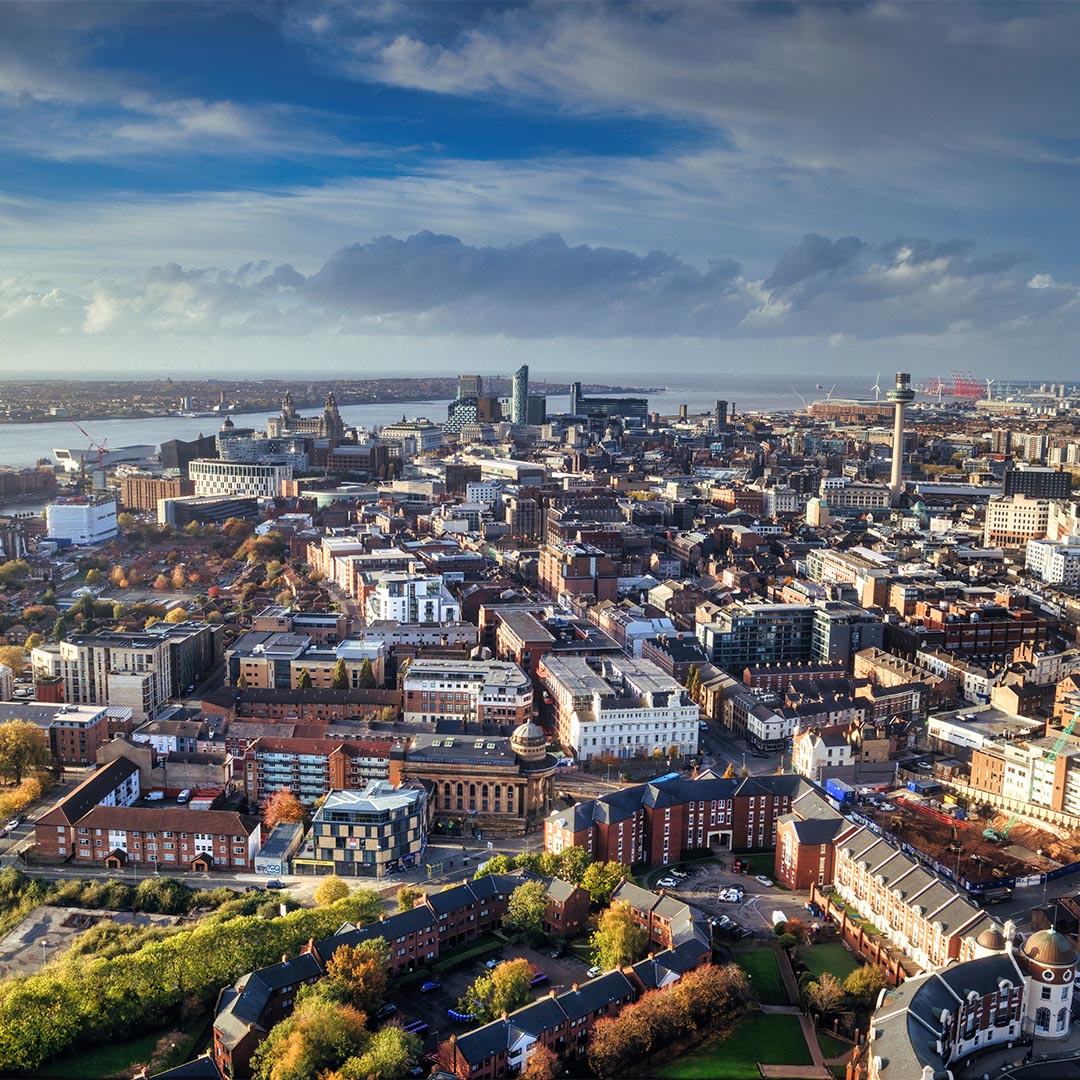
My wish for Liverpool is simple – crack on with delivery. The city has momentum, culturally and politically. But too often it still wraps itself up in creating a new ‘marketing’ strategy, establishing 99 new advisory boards a week, and projecting a confident, if somewhat misguided message, of being ‘the best city in the world’, whilst often acting like a big town. In the new year Liverpool should double down on being a major investment city: accelerate housing delivery, get serious about commercial space, and fully exploit the economic impact of the waterfront, the Knowledge Quarter and major sporting assets.
Manchester: A Benchmark for Regional Growth
Manchester deserves credit. It has shown what long-term leadership, partnership and ambition can achieve. My wish for 2026 is that it continues to raise the bar—not just for itself, but for every regional city in the UK. Transport integration, housing growth and international promotion must keep accelerating. Manchester should unapologetically position itself as the benchmark regional economy—and help pull others forward in the process. And maybe Labour’s national leadership could learn a thing or three from Bev Craig and her team at Manchester City Council!
Birmingham: Become the West Midlands’ Attack Brand
Birmingham’s time is surely now. HS2, better connectivity across the region, a major investment into the Sports Quarter and a new football stadium, and Aston Villa winning the Premier League title (maybe). It really is, literally, all to play for. My wish for 2026 is that the city becomes the undisputed attack brand for the West Midlands—loud, confident and relentlessly pro-growth. The region has extraordinary assets, but Birmingham must be the shop window: selling the talent, the scale and the opportunity. Investors don’t buy bland, keep- everybody- happy- marketing pitches; they buy cities with swagger. Birmingham should lead from the front and make no apology for it. And drop the ‘second city’ nonsense. Nobody cares.
Leeds: Lead Yorkshire with Intent
Leeds has long punched below its weight nationally. My wish for the new year is that it stops doing so. With the right devolution settlement, Leeds should be the undisputed commercial capital of Yorkshire – leading on financial services, digital and professional skills. That requires sharper messaging, and a willingness to shout about the city’s undoubted successes, rather than quietly hoping it gets noticed.
Lancashire: Think and Act as One Economy
Lancashire’s challenge is not potential—it’s fragmentation. My wish for 2026 is strategic unity. Housing, advanced manufacturing, energy and defence all offer huge opportunities, but only if the county starts thinking like a single economic entity. Less parochialism, more purpose. Less competition between neighbours, more collaboration. The private sector needs to get more disruptive too, and stop enabling the local government inertia that has held back this great county for far too long. Lancashire must present itself nationally as confident, coordinated and open for serious business – and get the long-awaited devolution deal done.
Cheshire: Scale the Success Story
Cheshire has quality in abundance. My wish for 2026 is scale. Life sciences, advanced engineering and strong town centres need to be better connected, better promoted and more ambitious. Chester, Warrington, Crewe and Macclesfield should feel like parts of one coherent growth story—one that investors immediately understand. The work the Northern Power Towns group is doing supports all of this – and a devolution deal can help the region accelerate its progress.
Newcastle: Set the Pace for the North East
Newcastle’s opportunity is leadership. My wish for 2026 is that it fully embraces its role as the North East’s economic anchor—leading on clean energy, digital innovation and inward investment. With clarity and confidence, Newcastle can set the pace for a regional revival that is long overdue.
And Now to Government: How to Turbo-Charge Growth in 2026
If government is serious about growth, then 2026 must be the year it stops hedging and starts acting.
First, planning reform must be real, not rhetorical. Housebuilding at scale is non-negotiable. Infrastructure, commercial space and energy projects should move from approval to shovel-ready in months, not years. The default answer should be “yes”, not “maybe after another consultation”.
Second, devolution needs teeth. City regions and counties must have genuine fiscal autonomy—multi-year settlements, infrastructure budgets they control, and the freedom to innovate. Whitehall micromanagement is a drag on growth. Trust the places that create it. Stop with the gimmicks ( a ‘Tourist Tax’ for pities sake) and start seeing Andy Burnham, Steve Rotheram, Tracy Brabin, and Richard Parker as genuine partners in delivering your growth ambitions.
Third, government must stop treating business with suspicion. Stable tax policy, long-term capital allowances, and clear industrial priorities are essential. Growth does not flourish in an atmosphere of uncertainty. Investors value clarity above almost everything else. And if you think the new employment law legislation won’t have an impact on hiring – think again. Please remember that it is SMEs who are the innovators, entrepreneurs and risk takers. Multi-nationals may have the loudest voice – but SMEs make the biggest impact. Start listening to them.
Fourth, the visitor economy, culture and sport must be recognised as serious economic drivers. These sectors create jobs, shape place and attract global attention. Treating them as secondary is economically illiterate.
Finally, government must demonstrate naked ambition. Britain should be competing aggressively for global investment, talent and events. Continue to get closer to the EU, maximise the soft power you have regained on the international stage, and start to make the business-friendly reforms you promised before the election happen.
2026 should be the year UK’s cities—and its government—decide to move faster, think bigger and lead with confidence.
Happy New Year – and here’s to twelve months of GROWTH!