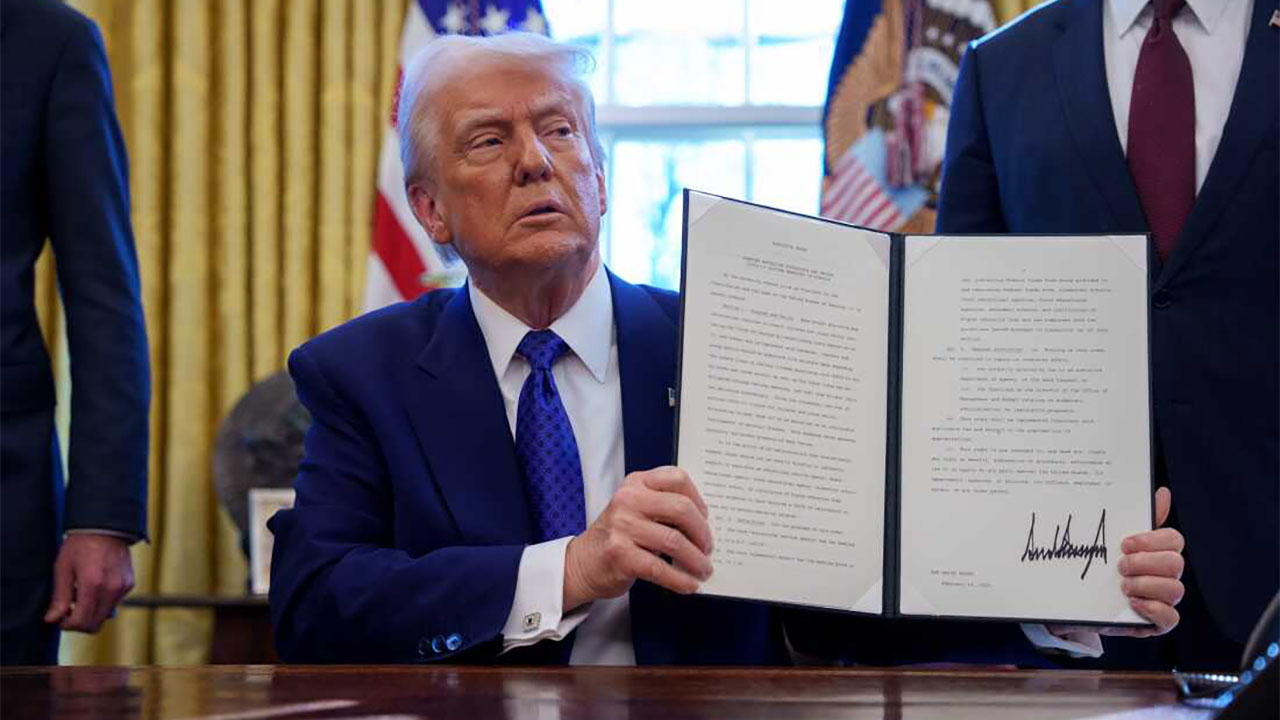
In writing this blog through 2025, what became clear was the tough guy individual was far from dead, he – more often than she – had in fact staged a full‑throated comeback.
From politics to global affairs, the year felt like a parade of lone operators, solo crusaders, and headline‑grabbing personalities determined to bend the world to their will. It was a year when institutions wobbled, alliances frayed, and trust – already a fragile commodity – seemed to evaporate like the morning mist on a Florida highway.
But as the calendar flips to 2026, there’s a growing sense the pendulum may be swinging back. After twelve months of fragmentation, friction, and free‑agent behaviour, the world seems ready, perhaps even longs for collaboration, partnership, and a renewed belief that we’ll all be better off rowing in the same direction.
So, before we rush into setting fresh goals, committing to lofty plans or impossible resolutions for the new year, let’s take a moment to look back at the year that was – and forward to the year which could be.
Across the landscape from Washington to Red Square, Westminster to Beijing, 2025 felt more like a series of solo performances than an ensemble work.
Legislatures around the world either struggled to find consensus or purposefully chose to ignore it in dealing with the issues that demanded our collective action.
Whether the topic was war, climate resilience, immigration, supply chains, economic stability, or AI and digital governance, the pattern was the same: individuals staked out positions, drew hard lines, spouted rhetoric and treated compromise like a four‑letter word.
Global alliances -those grand post‑war inventions designed to keep the peace and share the load – found themselves tested almost to breaking point. Sadly, some nations leaned further inward, prioritizing domestic agendas over multilateral commitments. At times leaders and their proxies took an improvisational and opportunist approach, forging ad‑hoc partnerships one week before stepping back from them the next. The result was a geopolitical landscape which felt more like a loosely stitched patchwork quilt than a cohesive tapestry.
Unsurprisingly, our news headlines seemed to relish all this. And why not, 2025 spewed up a steady stream of stories about exposés and whistleblowers, rogue CEOs, political brinkmanship, celebrity activists, and an array of influencers who wield as much power as traditional institutions. Some used their platforms to push for change; others simply added to the noise. Either way, the spotlight was firmly on the individual.
But beneath the surface, something more troubling was brewing: a breakdown in trust.
Trust in institutions. Trust in expertise. Trust in media. Trust in one another.
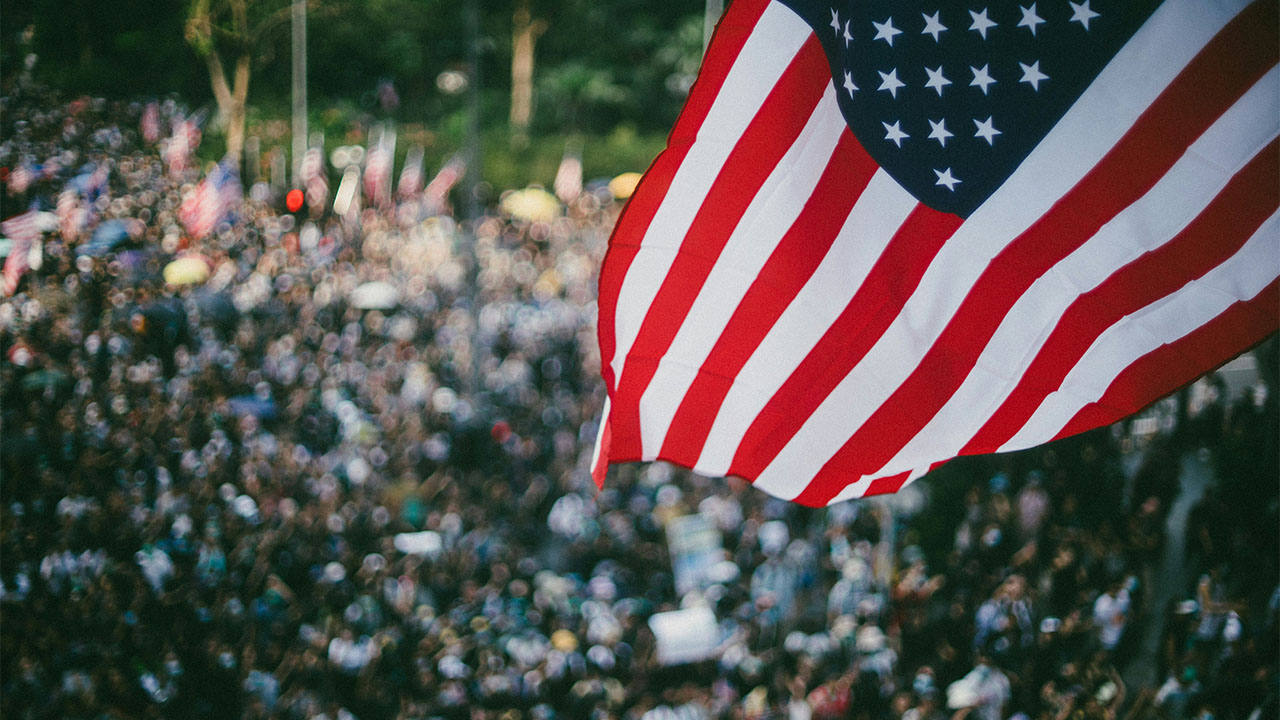
Surveys throughout the year showed declining confidence in everything from public health to political leaders and financial markets. Social media, once hailed as a tool for connection, increasingly became the battleground of competing narratives. Even long‑standing friendships and family ties felt the strain as people retreated into ideological corners.
If 2025 had a soundtrack, it might have been a solo voice – beautiful but often lonely, discordant, and showing signs of cracking and wavering.
Yet, as is often the case, it is these very challenges which reveal the path ahead.
When wildfires, floods, and other extreme weather events struck communities around the world, it wasn’t lone heroes who saved the day it was coordinated teams, cross‑border support and more-often-than-not, simply neighbours helping neighbours.
When supply chains faltered, businesses too discovered that collaboration wasn’t just nice to have; it was essential. When misinformation surged, journalists, educators, and civic groups found renewed purpose in rebuilding public understanding and engagement.
Even in politics—where gridlock sometimes feels like a permanent fixture—there were glimmers of cooperation. Local government proved that practical collaboration could prevail over political theatrics. UK and US cities and regions worked with business and communities on infrastructure, housing, and public safety in ways which reminded us that collaboration isn’t a relic of the past; it’s a tool for the future.
These moments also hinted at a deeper truth: the world’s biggest problems are simply too large for any one person, party, or nation to solve alone.
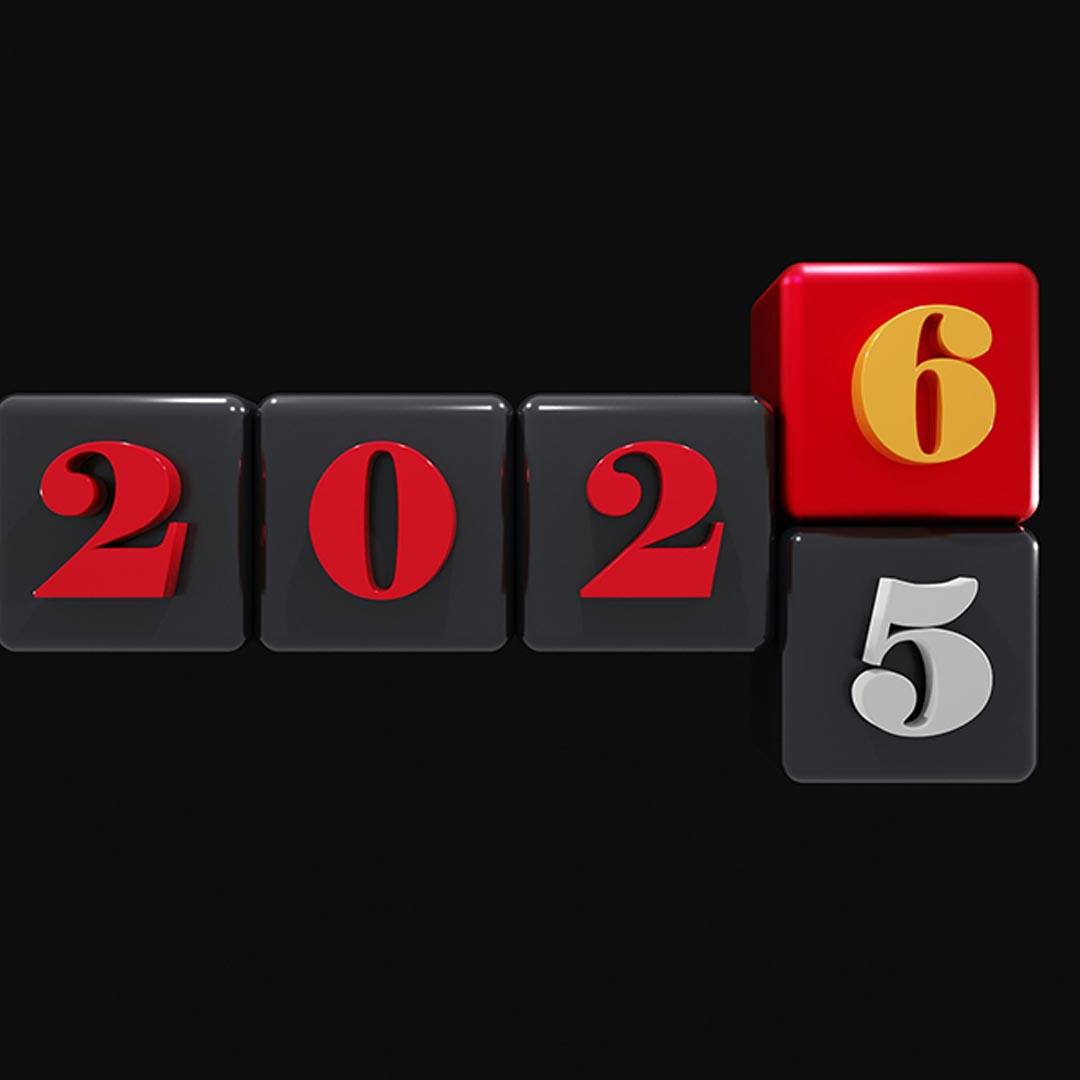
And so, we arrive at 2026.
If 2025 was the year of individuals, 2026 has the potential to be the year of collaboration, partnership and a shared purpose.
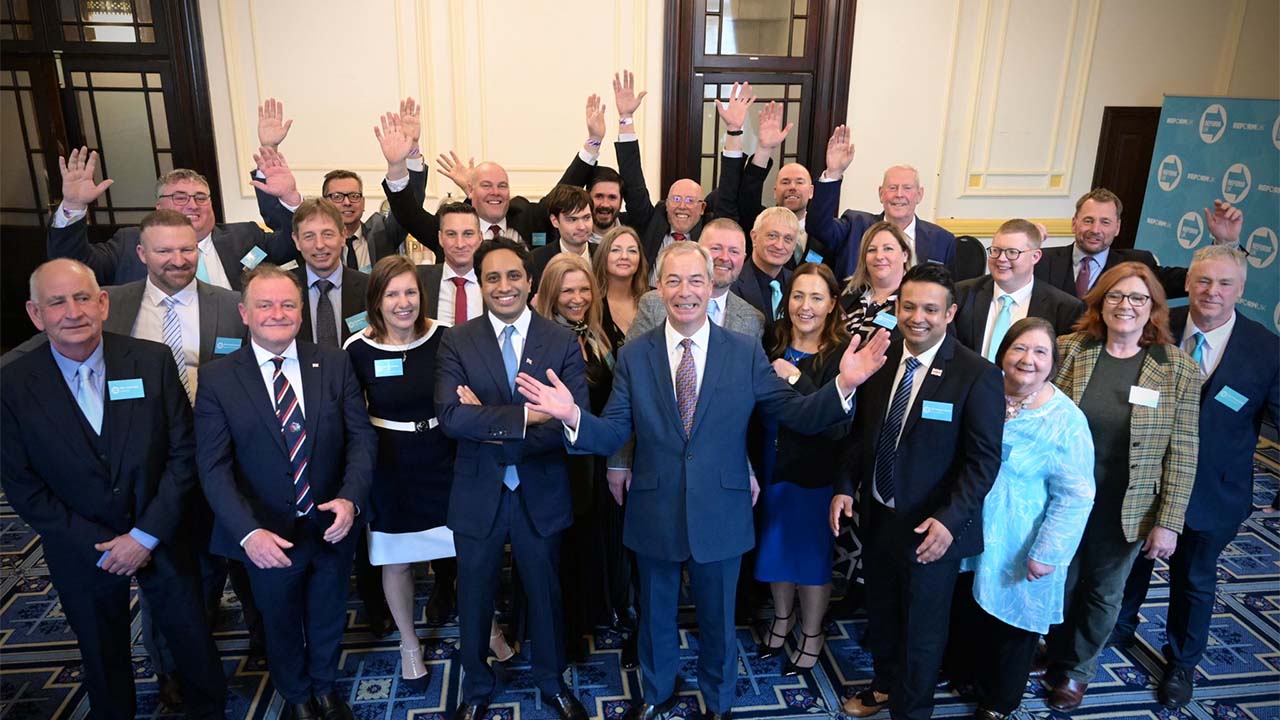
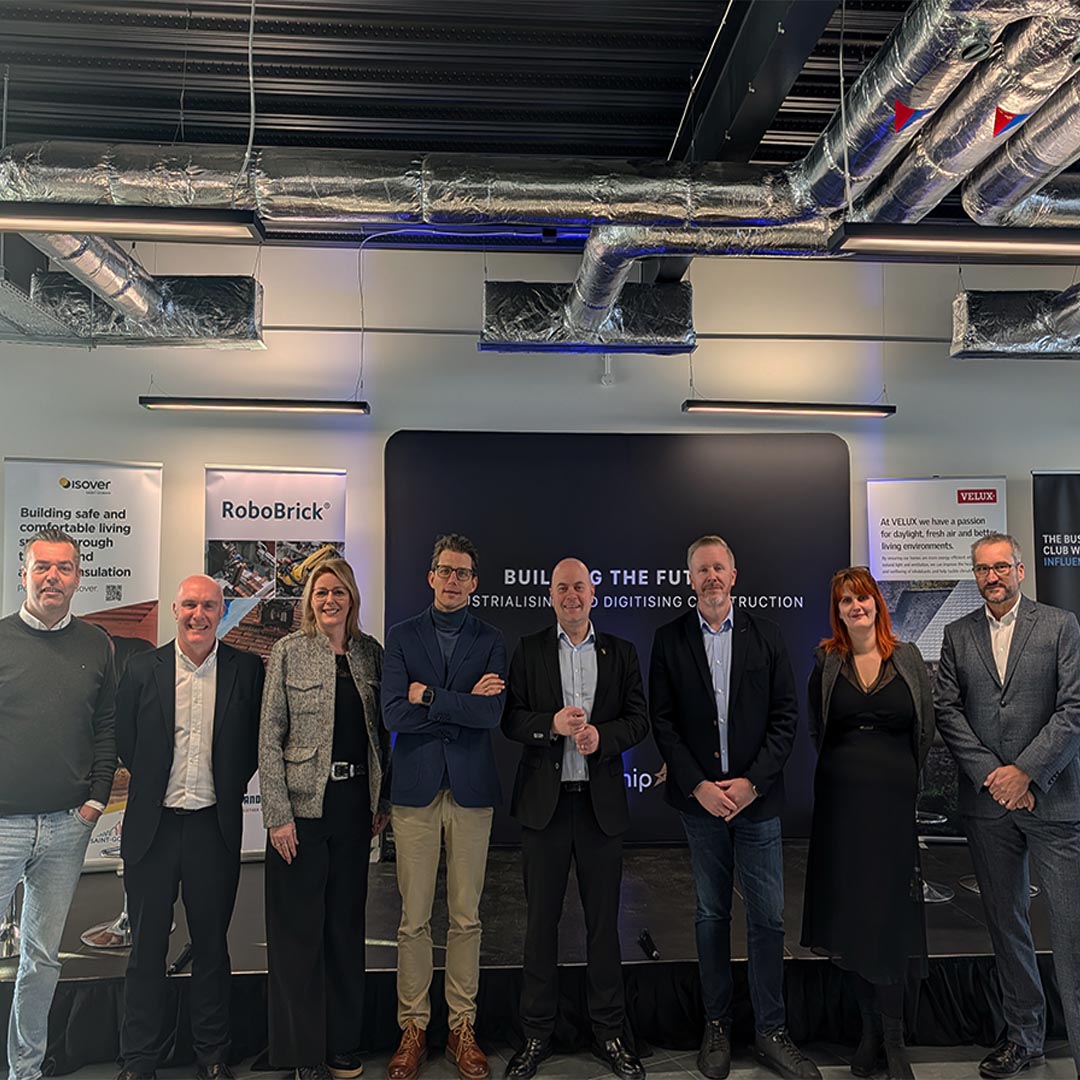
There’s a growing recognition that partnership isn’t a sign of weakness; it’s a strategic advantage. Businesses are forming cross‑industry alliances to innovate faster and more responsibly. Governments are revisiting regional agreements with fresh urgency. Communities are rediscovering the power of civic engagement. Even online, where division once reigned supreme, new platforms and initiatives are emerging to foster dialogue rather than disagreement.
2026 could be the year we remember that cooperation is not only possible it’s profitable, sustainable, and deeply human too.
What might this shift look like in practice?
In politics, it could mean rediscovering the art of compromise—not as capitulation, but as craftsmanship.
In public affairs, it could mean strengthening alliances, not out of nostalgia, but out of necessity.
In business, it could mean embracing shared value rather than zero‑sum competition.
And In communities, it could mean rebuilding trust through transparency, participation, and empathy.
But perhaps, most importantly, it could mean recognizing that collaboration doesn’t erase individuality, it serves to amplify it.
When people bring their unique skills, perspectives, and passions to a shared mission, the result is always far greater than the sum of its parts.
If 2025 was a reminder of how fragile trust can be, 2026 offers the chance to rebuild it, not with grand gestures, but with steady, deliberate partnership and strategic collaboration.
The world doesn’t need more soloists right now. It needs a choir.
And if we can blend our voices, take our cues from one another, and follow the same sheet music – even loosely – there’s no reason 2026 can’t be the year we turn down the noise and build a future genuinely worth singing about.
Happy New Year!