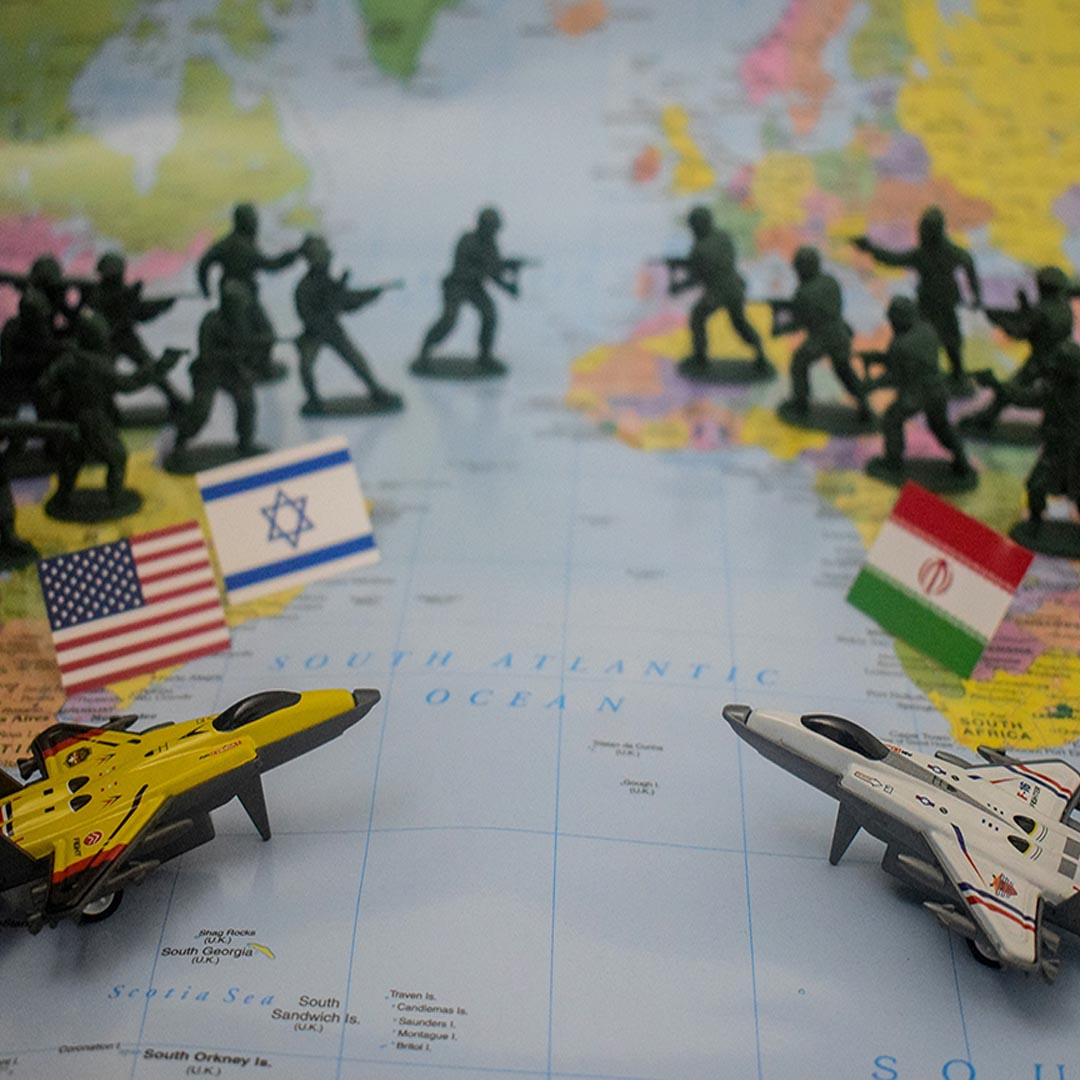
The Art of the Threat, and the Cost of the Ceasefire
There is a certain predictable rhythm to American crises.
First comes the thump of rhetoric, then the jingoistic onslaught of television and social media maps and images, then a sudden pause in which everyone squints at the fine print and asks whether this was all necessary in the first place.
The stand-off with Iran followed the script closely enough to feel almost rehearsed. A threat was issued, a line drawn, a ceasefire announced. The markets have steadied, the cable news talking heads will in time moved on.
But beneath the newly found surface calm lies a deeper unease about what the United States just put at risk and what it may yet lose.
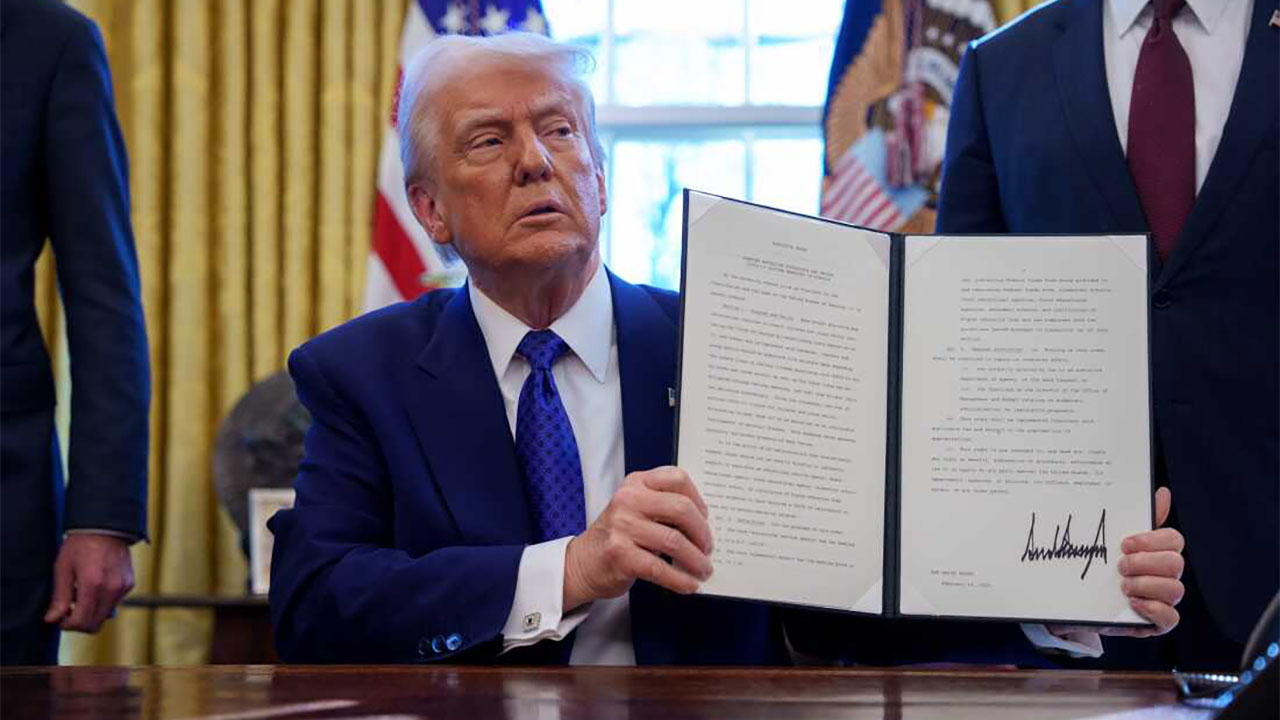
From the White House’s perspective, the confrontation was framed as leverage successfully applied. Maximum pressure produced a minimum concession; firmness avoided escalation.
The ceasefire, such as it is, has been offered as proof that loud threats deter, that unpredictability keeps adversaries off balance, and that diplomacy works best when conducted with a menacing clenched fist.
In the saloon of international relations, the US is propping up the bar, ordering shots and chasers, worrying all around them about when it is all going to ‘kick off’.
Yet power exercised in this way extracts a toll.
Iran, for its part, has learned over decades how to absorb punishment without capitulating. Sanctions harden rather than soften political positions in totalitarian theocratic Tehran, where compromise with Washington is more often portrayed as surrender than prudence. Any ceasefire reached under public duress does little to change that dynamic. Yes, it pauses the argument, but it does not end it. The underlying disputes over The Islamic Republic’s nuclear capacity, Iran’s regional influence and proxies, and the right to defy American diktats all remain intact, if slightly deferred.
What does change is the international perception of the United States. The willingness to threaten, to hint at explosions of sudden violence, to quickly elevate confrontation before exhausting the quieter channels available all reinforce an image of American power as volatile, unpredictable and personal rather than strategic.
Allies notice all this more keenly than opponents.
In Europe, where memories of misjudged wars and strained alliances still remain fresh, this spectacle is too familiar. Support for Israel’s security and concern about Iranian ambition are longstanding positions. But public threats that appear detached from a clear diplomatic endgame make coordination infinitely harder. When ceasefires feel improvised rather than earned, trust erodes further – not only between adversaries, but among partners and friends too.
There is also the question of credibility. Threats work only when they are believed, and belief depends on restraint as much as resolve. If every disagreement is escalated to the brink, opponents eventually conclude that bluster is a substitute for action. That is a dangerous lesson to teach a region already rich in actors willing to test limits.
For Iran, the message may not be deterrence but validation: proof that confrontation with the United States brings welcomed attention, leverage, and eventually negotiation on more equal terms. The ceasefire, modest in substance, can be sold in Tehran as evidence that standing firm pays off – both metaphorically and financially if the new shipping toll on Straits of Hormuz is true.
This is not being seen as the strategic victory Washington perhaps imagines, it is viewed across the Gulf, Middle East and elsewhere as an encouragement to persist.
There is a US domestic audience, too, drawn to the theatre of threat.
In America, bluster and strong language still resonates, especially when contrasted with the silent paralysis of Congress or the absence of any meaningful multinational diplomacy.
For both parties, the ceasefire allows leaders to claim commitments to both toughness and peace, to occupy a rhetorical tough guy stance but without paying the political price of actually having to follow through.
But such moments accumulate. Over time, they shape expectations. The US President is already haunted by ‘TACO’ claims from Wall Street Traders who believe ‘Trump Always Chickens Out’ when acting on his biggest threats whether that is tariffs, trade embargoes or, thankfully, ‘ending civilization’.
Military Generals must now calculate the hedge against sudden reversals. Diplomats struggle to reconcile private assurances with the very public ultimatums being issued. The American presidency, long described as the most powerful office in the world, begins to look less like a steady hand and more like a live wire.
History suggests ceasefires born out of coercion are fragile things. They only hold until they don’t.
Each side banks its grievances and prepares its talking points for the next round. Meanwhile, the space for genuine negotiation shrinks, crowded out by the fear of looking weak and the temptation to escalate first.
This latest episode has reinforced a pattern in which forceful language substitutes for durable policy and success is measured in hours of calm rather than years of stability.
The damage from this approach is not easily quantified. Markets recover, headlines fade. Yet credibility, once diluted, is hard to re-concentrate. Allies hedge. Adversaries probe. And each successive threat must be louder than the last to carry the same weight.
Ceasefires should close chapters. Blessedly, America has avoided an immediate conflict, which is no small thing, but it has also reminded the world that its power, immense as it remains, is being exercised in ways which create as much if not more uncertainty as any reassurance.