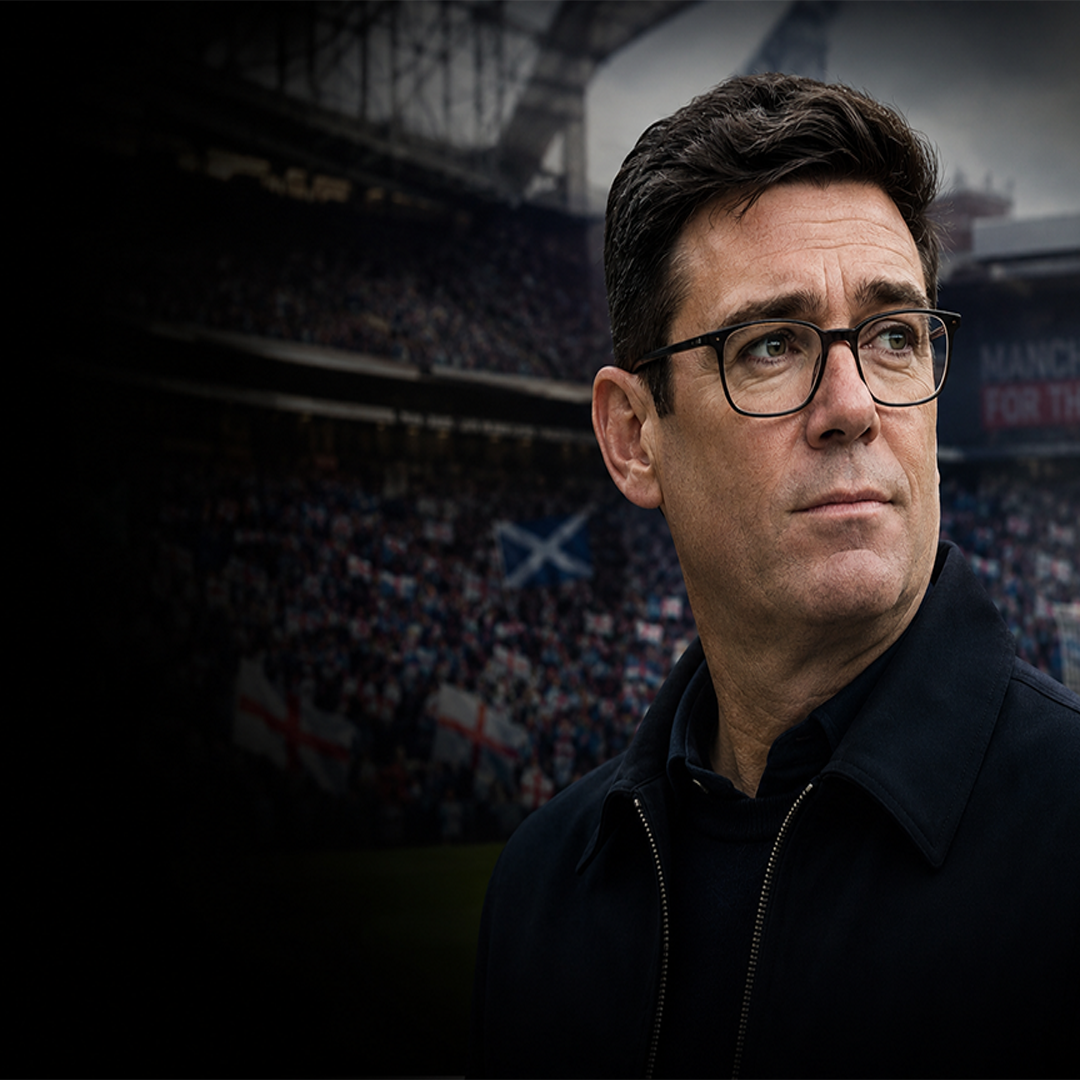
Politics and football are across all the headlines this month. With England and Scotland at the World Cup and Andy Burnham heading for a Prime Ministerial (s)election battle – comparisons are irresistible.
Both events will generate ‘wall to wall’ media chatter, both are contact sports and they share some common observations: “you’re only as good as your last game”, “it’s a results business” and “it looks like he’s lost the dressing room, Geoff”.
Equally, both have the power to disappoint. They start with high hopes but as time rolls on, despite the brave faces, plenty of effort, and a few moments of sparkle, can leave you with a sense of “we had hoped for a bit more.”
Now, let’s be clear. Burnham remains one of the North’s most recognisable political figures, basking in a stellar home win against the improving but untested at this level, Reformers. He has built a personal brand around speaking up for Greater Manchester and, to his credit, doing so with conviction.
His leadership style has often mirrored that of a modern international manager: visible, thoughtful, and keen to project authority beyond his immediate domain. Think Sven, Fabio or Thomas Tuchel rather than Steve McClaren or Big Sam but, like all those who have gone before, his approach will come under severe pressure when results – or headlines – don’t quite live up to the promises made.
England fans and Labour supporters share this common feeling too. A giddy media-fuelled, pre-tournament optimism. The belief that this might just be the year when the pieces click into place. A solid squad, a decent run of fixtures, and a manager who – on paper – can deliver.
Burnham’s leadership, like Tuchel’s, appears calm, almost corporate. They both come across as risk-averse at times, preferring patience, solid technical organisational structures over free spirited spontaneity. The approach may build trust, but it can also invite frustration when the moment calls for boldness.
Burnham looks steady at the wheel but could be prone to criticism for not shifting gears quickly enough when the road gets bumpy. Again, like Tuchel, his predecessor paid the ultimate price for that.
So, what could Burnham learn from Scotland? Nobody does gallant underdog quite like them.
Bonny Scotland. Everybody loves them, and they seem to have done more for British-American relations than any ambassador or minister has ever accomplished, turning mass drunkenness and student inspired traffic cone stunts into an art form. The bagpipes, the travelling support, all exude a sense of being delighted to have been invited to the party and willing to accept their inevitable fate in good grace.
Burnham too could perhaps take a page from Steve Clarke’s leadership style. Clarke is pragmatic and, recognising the degree of talent available to him, is rooted in championing the collective effort. There’s less theatre, less ego, and more emphasis on a system with everyone knowing their role, putting in a shift. This might be a better model for Burnham to heed in building his cabinet – the limitations are clear to all, it’s rarely pretty – but it’s real, honest, authentic.
That feels like it is important to Burnham. Andy’s jog around the block in his retro Everton shirt, complete with tinned ham sponsor – screamed ‘look at me, I’m as real as it gets – just like you’.
He could take it further. To borrow from Everton manager David Moyes back catalogue, Burnham could lean hard into his “People’s Prime Minister” persona – less polished, more grounded, willing to scrap for his patch even when the odds aren’t in his favour. Maybe ditch the flash watch and make more of a habit of changing into an off-the-peg suit in a train bathroom.
Maybe Burham could straddle both teams’ dugouts. At times, projecting the composed strategist, managing the narrative with the caution of the England boss protecting a 1-0 lead. And at others, adopting the defiance of Scotland’s boss, rallying his base, reminding anyone who’ll listen that he won’t get pushed around by decisions made further South.
The difficulty, of course, is that trying to blend those leadership styles can leave you looking like you’re playing two formations at once. One minute you’re controlling possession, the next you’re lumping it forward and hoping for the best. In politics, as in football, clarity of identity matters. Voters – like fans – want to know what kind of team they’re watching.
What’s interesting is how Burnham, England, and Scotland operate under entirely different sets of expectations. England carry the weight of history and hype, forever burdened by the memory of 1966 and the insistence that they “should do better.” Scotland turn up with less pressure but just as much passion, measuring success in moments rather than medals.
Burnham? He probably sits somewhere in between. He may become Britain’s 7th PM in 10 years, but he will be only Labour’s eighth PM ever. Not quite the establishment favourite, not quite the plucky outsider. A leader trying to be both statesman and scrapper, strategist and standard-bearer. And in months like the one ahead, this may prove a tricky balancing act.