For much of the last century, Britain was regarded as one of the world’s great examples of political stability. Governments came and went, but prime ministers generally had the time to govern, implement their programmes and ultimately face the verdict of the electorate.
Not anymore.
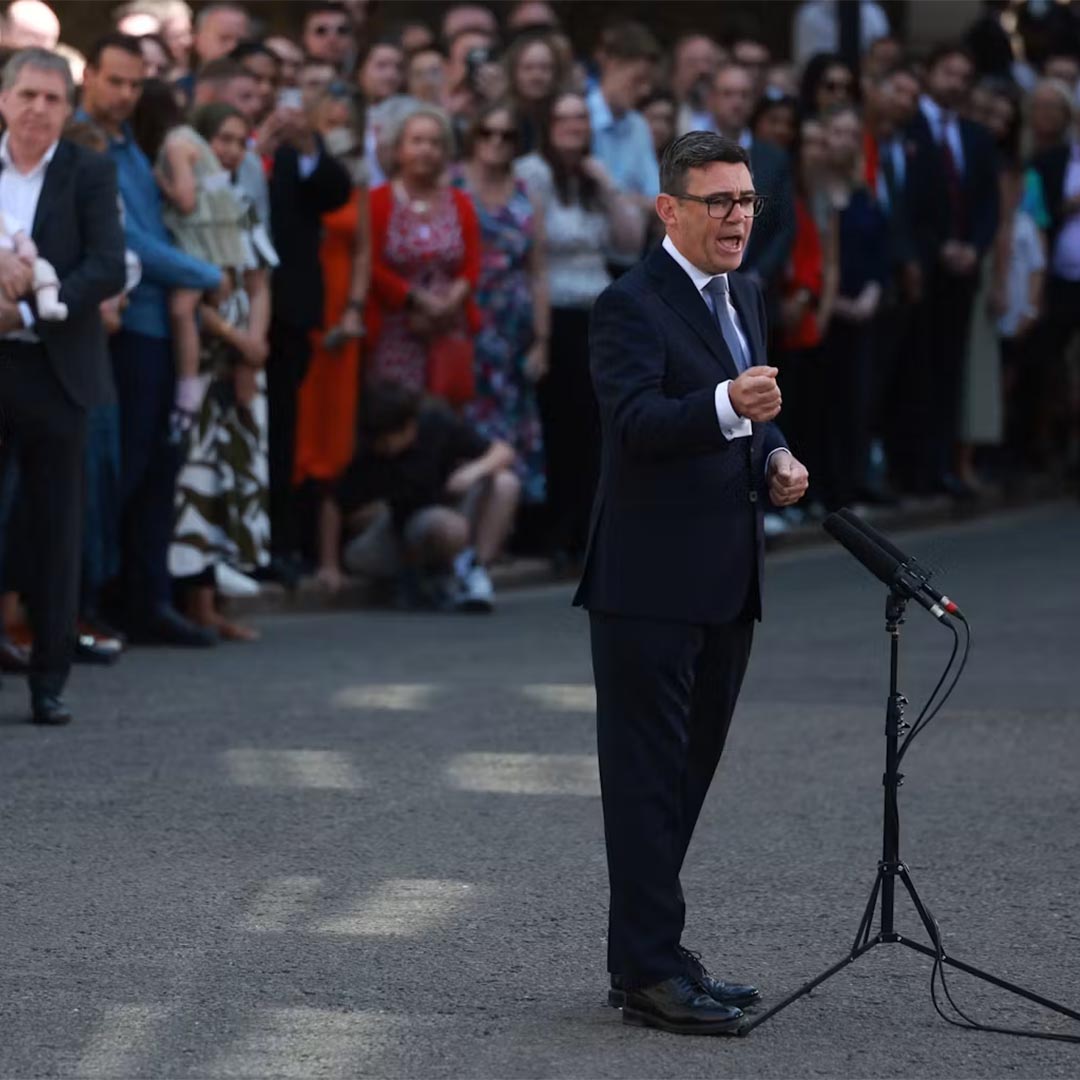
Earlier this week, Andy Burnham became Britain’s fourth prime minister in five years and the country’s seventh premier in just a decade. As Burnham himself acknowledged in his first speech outside Downing Street – delivered without a lectern, notes or autocue –“we can’t go on like this.” Or words to that affect.
He is right.
A country once viewed as a model of political continuity is beginning to look alarmingly unstable. Leadership contests, internal party disputes, short-lived administrations and policy reversals have all chipped away at public confidence. The question now is whether Burnham can restore some much-needed certainty to British politics.
His success will depend on two things: his own leadership, and the expectations of the electorate.
On the first test, he has made an encouraging start.
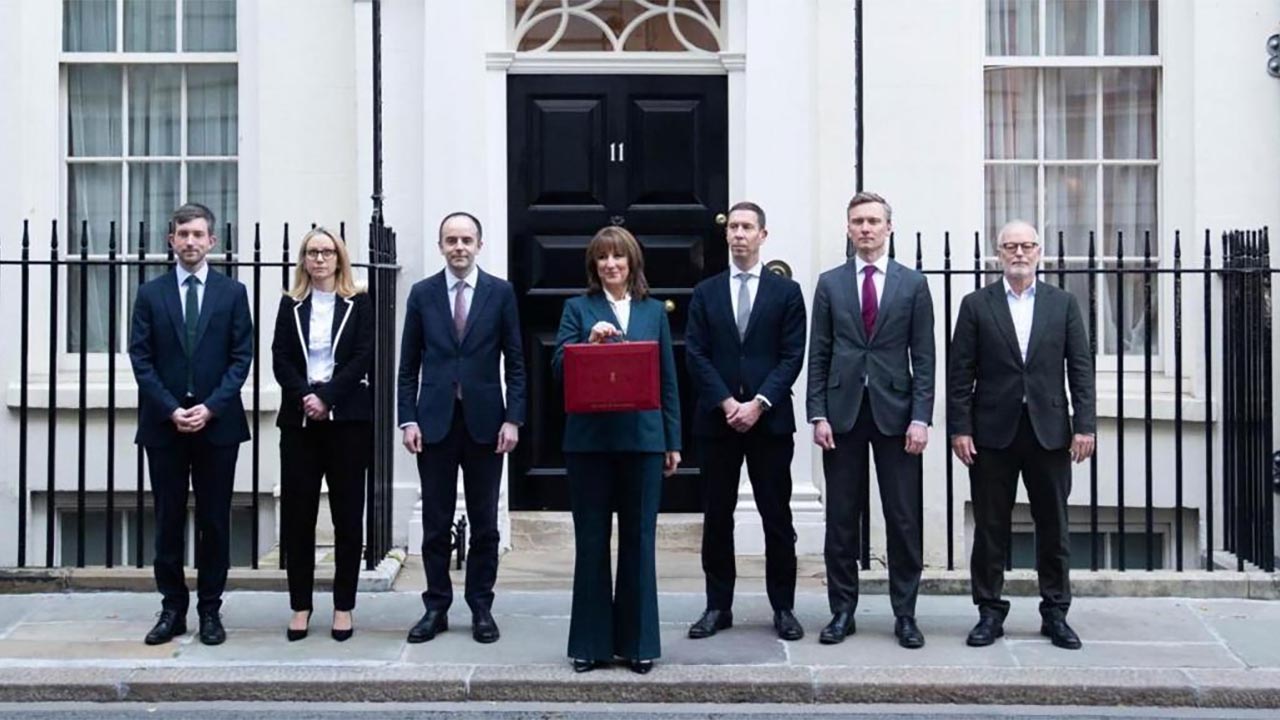
The transition into government has appeared remarkably smooth. His appointment of John Healey as Chancellor surprised many observers but has largely been well received, signalling experience and competence at the Treasury. Early announcements have focused on issues that resonate well beyond Westminster – tackling rough sleeping, easing energy costs, extending affordable bus fares and reforming business rates.
Just as importantly, Burnham has demonstrated an instinctive understanding of political communication. His first week has contrasted sharply with that of his predecessor. He has projected confidence, accessibility and purpose, while avoiding the over-managed presentation that has characterised too much modern politics.
The second challenge is considerably harder.
British voters have become impatient, sceptical and, at times, contradictory in what they expect from government.
Some critics complain that Burnham has not acted quickly enough. Others ask how he intends to pay for the commitments he has already announced. There is a familiar paradox in modern politics: governments are criticised simultaneously for doing too little and for spending too much.
No prime minister can satisfy every audience.
Of course, one week is nowhere near enough time to judge any administration.
Burnham is about to embark on a nationwide tour to engage directly with voters. There will undoubtedly be more headline-grabbing announcements in the weeks ahead. The first real opportunity to set out his long-term vision will come at Labour’s conference in Liverpool this September, before John Healey delivers the ‘new’ government’s first Budget in October.
That Budget will mark the moment when the campaign ends and governing truly begins.
By then, Burnham will hope his popularity rests not simply on personal appeal or positive “vibes”, but on growing confidence in the direction of his government.
That will not be easy.
Taxes may have to rise. New North Sea drilling licences could be approved despite opposition from parts of the environmental movement. Immigration policy may become more pragmatic than some campaign rhetoric suggested. Welfare reform will almost certainly require difficult decisions that satisfy nobody completely.
In short, Burnham is likely to disappoint sections of the left, the right and the political centre.
That is the reality of governing rather than campaigning.
Ultimately, however, it will not be Westminster commentators, social media activists or even his loudest internal critics who determine his fate. It will be the millions of ordinary voters who simply want competent government, economic stability and a sense that someone is finally in charge.
Burnham’s greatest political asset has always been his ability to connect with people. He communicates naturally, appears comfortable under pressure and understands how to make politics feel personal rather than performative.
If he can combine those strengths with credible policy and disciplined government, Britain may finally enjoy the political stability it has lacked for much of the past decade.
If he cannot, the revolving door at Number 10 will continue to spin, and Prime Minister number eight could arrive sooner than the next £2 bus.
For now, though, I remain cautiously optimistic.
Andy Burnham has made a promising start. The difficult decisions are still to come, but my judgement is that he has both the political instincts and the resilience to weather them.
My prediction? He will still be Prime Minister when Labour next asks the British people for another mandate. That may not sound like a big call. But in Britain 2026, its actually a brave one!