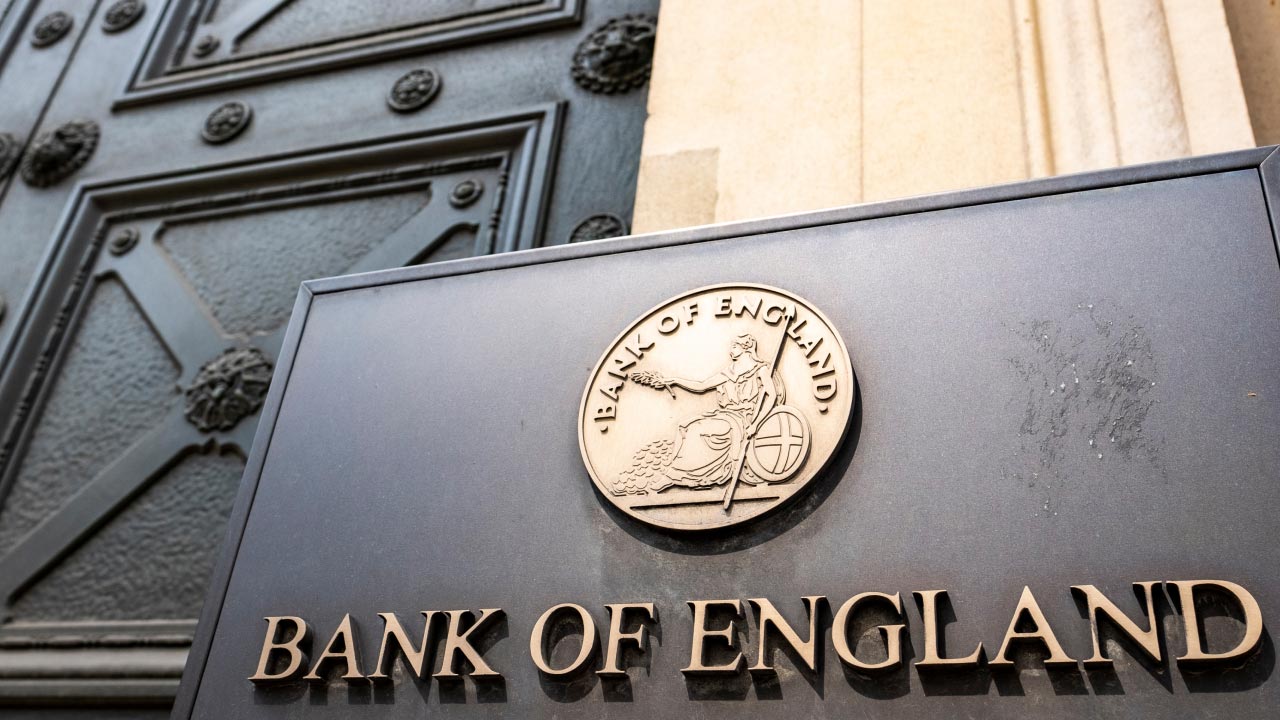
Downtown in Business has slammed the Bank of England for once again ducking the opportunity to inject desperately needed momentum into the UK economy, after the Monetary Policy Committee chose to hold interest rates at 4% this week—despite mounting evidence of economic fragility.
Just days after the decision, new labour market data revealed rising unemployment and weaker-than-expected wage growth. Then growth figures were released, with the economy growing by just 0.1% in the last quarter.
Now, reports indicate that a rate cut is “likely” next month. For businesses across the country, this latest fudge is depressingly familiar.
DIB group chair and chief executive Frank McKenna said:
“For years, the Bank’s overly cautious approach to monetary policy has acted as a brake on growth, entrepreneurship, and investment. At crucial turning points—post-Brexit, during the pandemic recovery, throughout the cost-of-living crisis, and now as the economy stalls again—the Bank has consistently erred on the side of inertia. And it has cost the country dearly.
“Businesses don’t operate in theory—they operate in the real world, The Bank’s habit of waiting for perfect conditions before taking action means we always get change months too late. It’s a pattern of hesitation that has left the UK trailing our competitors on productivity, business confidence, and growth.
“With the labour market cooling, inflation stabilising, and SMEs battling higher costs across the board, the case for a swift and decisive rate cut has been overwhelming for some time. Instead, the Bank has chosen to sit on its hands, once again prioritising academic caution over economic reality.
“The UK needed a signal of confidence this week. We needed a pro-growth decision that would help unlock investment, support jobs, and give firms breathing space. What we got was more uncertainty—and more missed opportunities.”
Downtown in Business is calling on the Bank of England to end the cycle of hesitation and adopt a more forward-looking, pro-business stance. With another rate decision due next month, the organisation warns that continued timidity would only prolong the UK’s sluggish performance.
Mr McKenna concluded:
“Waiting for the data to get worse before acting isn’t monetary policy—it’s economic self-harm. The Bank must finally show some leadership and back UK growth with an immediate rate cut.”