The sun occasionally shone, the rain drizzled often, the weak coffee flowed, the networking never stopped, the 999 fringe panels fought for audience share, and the debate around the future of Britain’s regional economies dominated every corner of Leeds as the property and local government world descended on UKREiiF 2026.
For Downtown in Business, this year’s conference was not simply about receptions, handshakes, and hospitality. It was about showcasing the growing confidence of cities and city regions where we work – and making sure our members were in the rooms where the big conversations and decisions are happening.
The week began with a hugely insightful Leaders Lunch featuring Angela Barnicle, the Director of City Centre Development for the City Council, whose presentation to DIB members underlined exactly why Leeds continues to emerge as one of the most ambitious and confident cities in the UK.
Barnicle laid out a bold vision for the city, from the South Bank regeneration programme and innovation districts to transport connectivity, housing growth, commercial expansion, and Leeds growing reputation as a centre for digital, health innovation, and green investment. What stood out was not simply the scale of ambition, but the clarity of purpose. Leeds knows where it wants to go- and importantly – how it intends to get there.
Angela also took the opportunity to, understandably, wax lyrical about the recent success enjoyed by Leeds United Football Club, who returned to the Premier League this season.
That sense of confidence and ambition became a recurring theme throughout the week.
At the DIB Partners Dinner, senior leaders from across the country demonstrated that the momentum behind regional growth is real and accelerating.
Chief Executive of the City of Wolverhampton Council, Tim Johnson, spoke passionately about the opportunities emerging in Wolves. From the transformational Interchange project surrounding the railway station, to the i54 business park, new city centre living developments, and investment linked to advanced manufacturing and green industries, Wolverhampton is increasingly becoming one of the West Midlands’ great success stories.
Meanwhile, Richard Lawrence, Executive Director of Place, Prosperity and Sustainability, outlined why Birmingham remains one of the UK’s biggest long-term investment opportunities. HS2 continues to reshape perceptions of connectivity and economic potential. The proposed new Birmingham City FC stadium and sports quarter project promises to transform East Birmingham. Add to that the Smithfield regeneration scheme, Paradise, Curzon Street, and what is now the largest mayoral development company in the UK, and it becomes clear why Birmingham remains central to the UK growth agenda.
There was also a compelling contribution from Nick Gerrard, Growth and Prosperity Programme Director, who highlighted Blackpool’s renaissance after decades of economic decline. Talbot Gateway, the relocation of major government offices, investment in the visitor economy, public realm improvements, and a renewed confidence in the town’s future all point towards a place rediscovering its swagger. Blackpool’s story increasingly feels less like managed decline, and more like recovery through ambition.
And then there was Liverpool.
City Council Chief Executive Andrew Lewis spoke with real authority about the scale of opportunity across the city region, from the transformational King’s Tower development, to the proposed mayoral development zone stretching across North Liverpool and Sefton, and the hugely significant Pall Mall commercial district scheme. Liverpool is once again thinking big and crucially attracting investors who now increasingly believe the city can deliver at scale.
Day two saw DIB partner with Kier Group for a fascinating roundtable discussion focused on the emerging devolution deals for Cheshire & Warrington and Lancashire.
The conversation, led by Nick Gerrard alongside Dan Price, Cheshire’s Police & Crime Commissioner, centred on the enormous opportunities that elected mayors and devolved powers can bring to areas often overlooked in national economic debates.
The case for devolution now feels overwhelming. The evidence from Greater Manchester, the West Midlands, Liverpool City Region, and West Yorkshire is increasingly difficult to ignore. Strong local leadership, long-term investment planning, integrated transport, housing strategy, skills development, and business engagement are all significantly enhanced when decisions are made closer to communities.
Kier executives Sean Fenner and Sarah Morton also reinforced an equally important point – transformational regeneration only truly succeeds when public and private sectors work together with trust, consistency, and long-term commitment. Kier’s track record across infrastructure, regeneration, education, and civic projects demonstrates exactly how powerful those partnerships can be when done properly.
Day three brought a very different, but equally important, conversation.
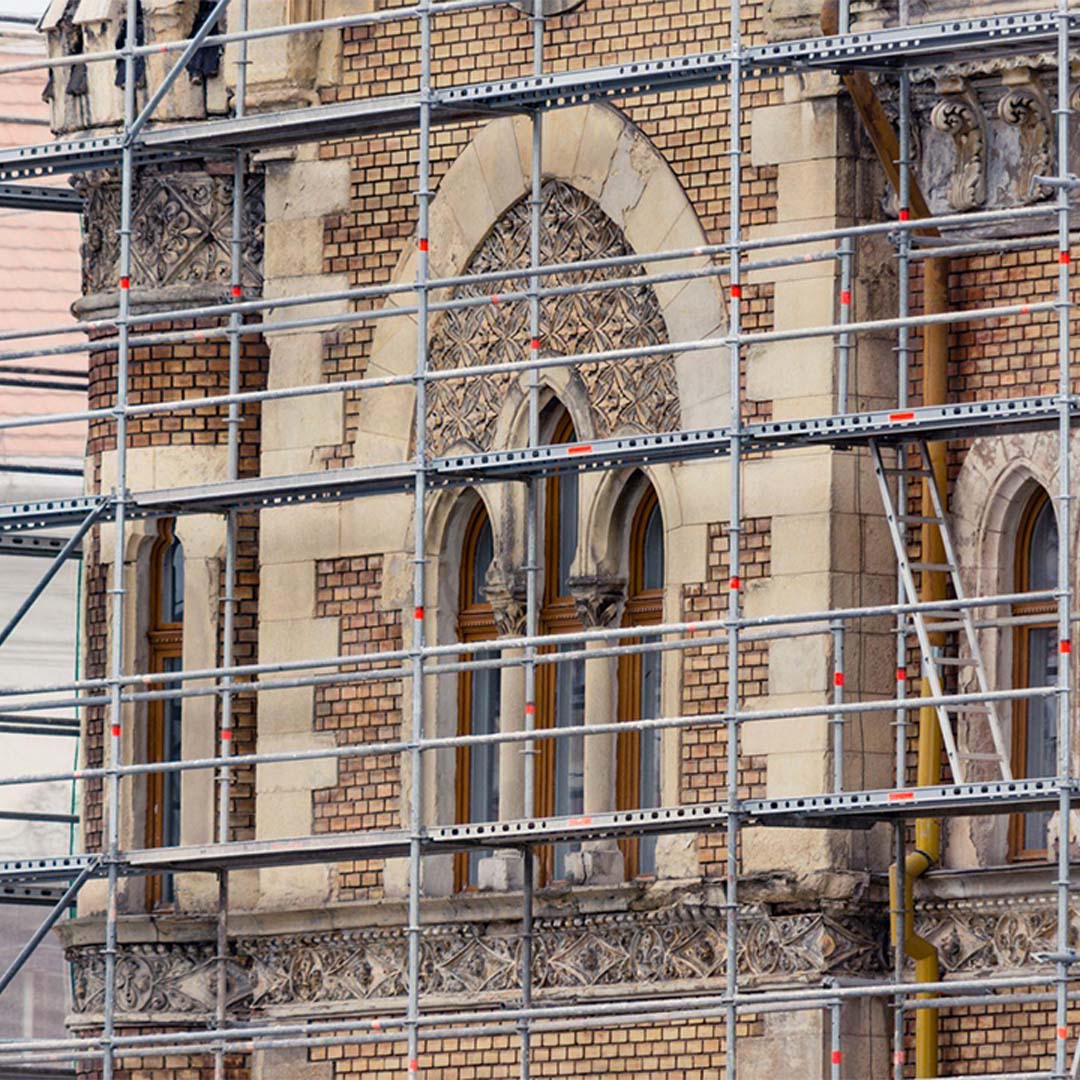
The DIB/PJ Livesey roundtable on heritage restoration highlighted an agenda that deserves far more national attention. Representatives from Historic England joined discussions around the importance of restoring historic buildings, preserving local identity, and using heritage-led regeneration as a catalyst for community renewal.
Too often, the debate around development becomes a false choice between modernity and preservation. The reality is that some of Britain’s most successful regeneration projects have come from repurposing historic assets and bringing them back into meaningful economic use.
PJ Livesey has become one of the leading specialists in this space precisely because the company understands how to navigate the complexity of heritage restoration while still delivering commercially viable projects. Done well, these schemes protect character, improve communities, and create places people genuinely want to live and work in.
DIB will be working alongside PJ Livesey to continue this conversation over the coming months.
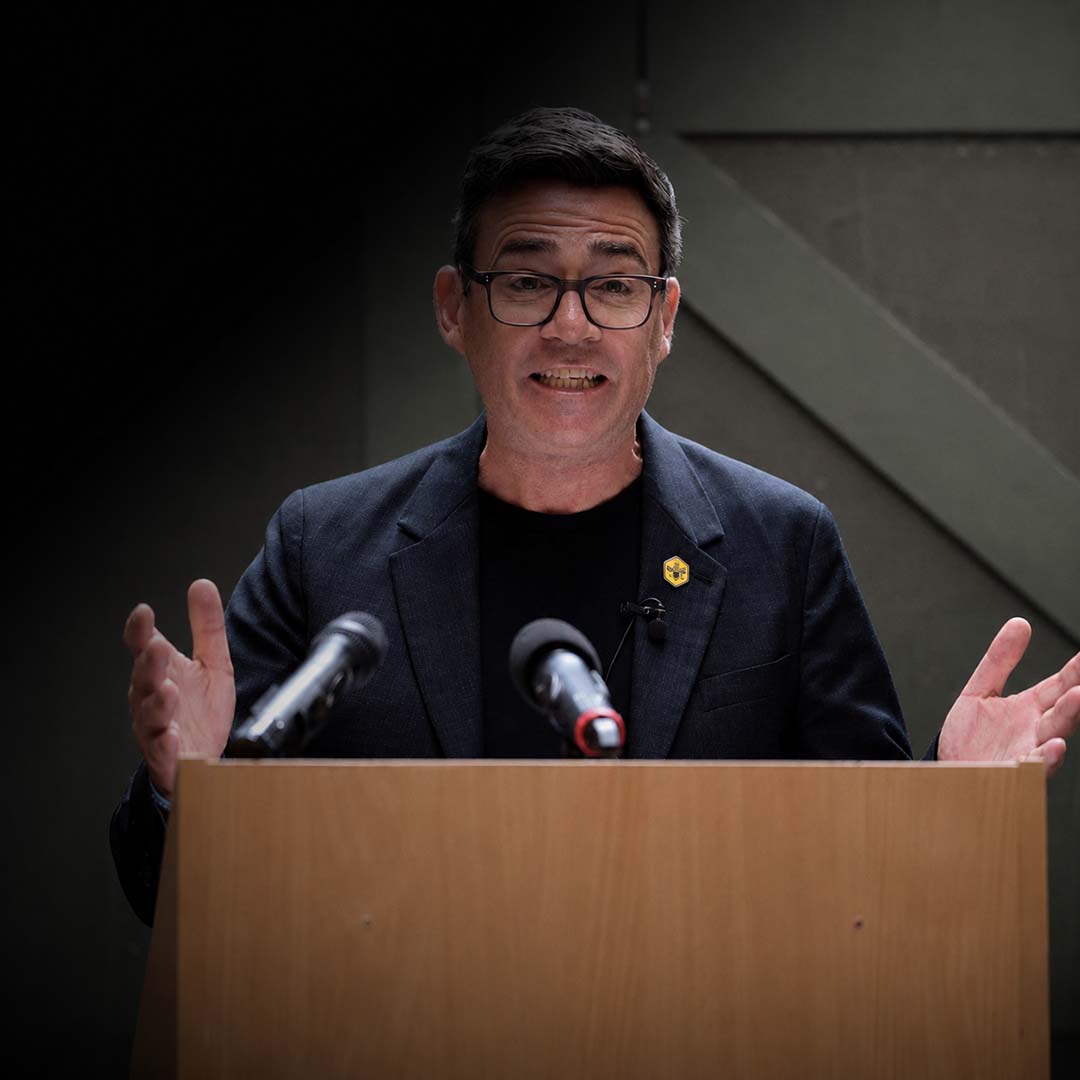
Away from the formal DIB programme, one of the most talked-about political interventions of the week came from Andy Burnham.
Burnham’s increasingly unsubtle pitch to return to Westminster- and potentially national leadership – generated enormous interest. What resonated with many business leaders was his argument that politics needs to reconnect with how people actually live their lives outside London.
Whether or not Burnham ultimately pursues the Labour leadership, he is clearly attempting to position himself as the politician who can bridge localism, economic growth, social justice, and national ambition. His message about “doing politics differently” struck a chord with many delegates frustrated by the current state of Westminster politics.
If there was one region that truly owned UKREiiF this year, however, it was the West Midlands.
Under the leadership of Neil Rami and a hugely impressive team at the West Midlands Growth Company, the region presented perhaps the clearest and most compelling investment proposition at the conference.
A series of polished presentations led by mayor Richard Parker showcased a region with confidence, coherence, and a serious pipeline of opportunity. Advanced manufacturing, life sciences, housing, transport connectivity, innovation districts, sports-led regeneration, and international investment were all presented with professionalism and clarity.
Liverpool also made a significant impact.
Led by mayor Steve Rotheram and City Council leader Cllr Liam Robinson, Invest Liverpool maintained a strong and energetic presence throughout the week, reinforcing the city region’s growing reputation as one of the UK’s most investable destinations.
And Manchester? Manchester simply continues to behave like a global city.
Sharing a pavilion with London felt symbolic. Greater Manchester increasingly operates with the confidence, maturity, and economic scale of a city region that knows its importance to UK PLC.
Throughout the week, DIB’s activities were strengthened enormously by the support of our outstanding partners including Liverpool Business Improvement District, Nugent, Atkins Realis, DB3, Krol Corlett, Starship, Sutcliffe, The City of Liverpool College, Bruntwood, Laing O’Rourke, Causeway Technologies, PJ Livesey, and Steven Hunt Associates.
Their commitment to partnership, regeneration, investment, and regional growth reflects exactly what Downtown in Business is all about.
As the week came to a close, DIB Group Chair and Chief Executive Frank McKenna delivered a powerful rallying cry for Britain’s cities and city regions.
The message was simple.
The future of the UK economy will not be driven solely from Whitehall.
It will be driven from Birmingham. Liverpool. Manchester. Leeds. Newcastle. Wolverhampton. Blackpool. Cheshire. Lancashire.
From ambitious city regions willing to think big, collaborate, back business, and demand more powers to shape their own destiny.
UKREiiF 2026 demonstrated that confidence in our regions has never been stronger.
Now comes the important part.
Delivering.