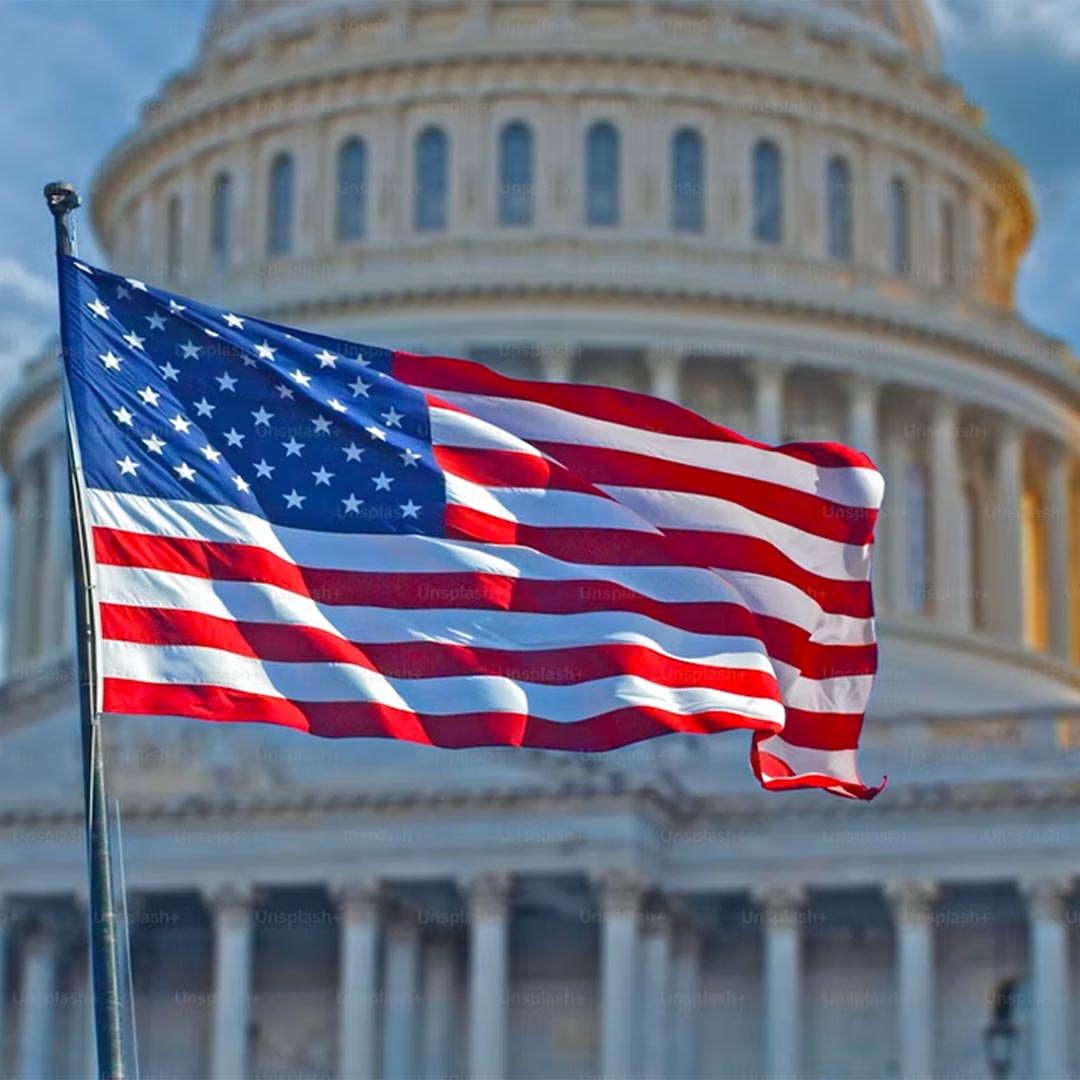
While Andy Burnham’s conference speech has unleashed a new political debate in the UK, voters in America are preparing to go to the polls.
To embrace the political panic currently unfolding across America, you must first understand a peculiar feature of the American system: the midterm elections.
Unlike parliamentary systems where a government can call an election when their momentum is high, the United States runs on a rigid, unyielding clock.
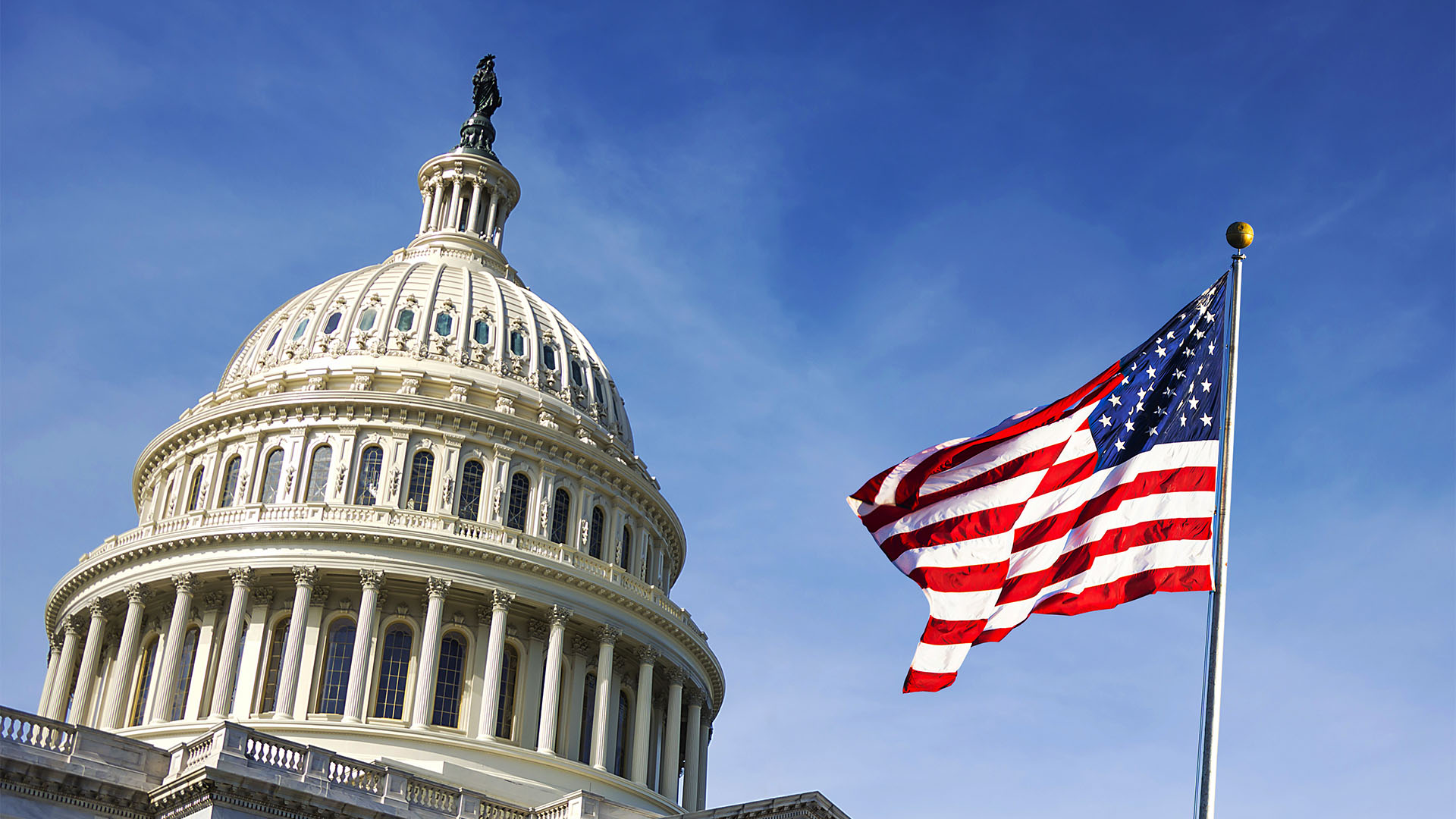
Every two years, the entire lower chamber of Congress, The House of Representatives, and one-third of the powerful upper chamber, The Senate, must face the voters.
When these midterms fall halfway through a president’s four-year term, they almost always become a brutal referendum on the person sitting in the White House. Right now, with President Trump facing sliding approval ratings and the heavy shadow of a costly conflict in Iran, his Republican party is on the defensive.
With Congress officially shutting its doors today for a month-long recess, lawmakers have fled Washington to fight for their survival. Politics nerds and opinion leaders are watching three critical battlegrounds to get a gauge on the mood of the nation.
If you want to know which way the political wind is blowing in America, you typically look at Pennsylvania. It is a microcosm of the entire country, combining wealthy, progressive suburbs with deeply conservative, industrial rust-belt towns.
The battle here is a clash of political styles. For the Democrats, the race is about holding onto a wide sweep of voters who feel squeezed by persistent daily inflation. For the Republicans, Pennsylvania is an absolute must-win to cement their ‘blue collar’ credentials. The state is famous for its relentless blitz of television and social media advertising. In this race, policy arguments will matter less than cultural performance; victory will go to the candidate who can most convincingly look like an everyday, ‘kitchen-table’ champion. For some that will be a stretch, far from their cosy Washington DC white tablecloth bistros and cafes, they will now be all about burgers and hot dogs at a local diner or a high school football game.
A decade ago, Georgia was safely conservative. Today, the southern state is a hyper-volatile battleground. The state’s political soul is split cleanly in two: the rapidly growing, diverse, and prosperous suburbs of Atlanta, pitted against the deeply traditional, rural areas of the state.
The core challenge in Georgia for both parties is turnout. Elections are no longer won by converting the other side, but rather by motivating your own base to actually show-up. Democrats are relying heavily on Black voters and suburban women, using anxiety over reproductive rights, cost of living and foreign policy to drive them to the polls. Republicans are countering with a fierce populist message aimed at rural and traditional conservatives blaming the current economic squeeze squarely on welfare, woke agendas and other acts of ungodliness.
Out in the desert Southwest, Arizona represents the raw frontier of modern American politics. This battleground is defined by two overwhelming issues: immigration at the southern border and the sudden, massive strain on local infrastructure caused by the tech boom’s data centre rush.
Arizona voters have a notoriously independent streak, meaning party loyalty counts for little. The personalities dominating this race must project a tough, maverick persona. For Republicans, success depends on keeping the focus entirely on border security and national stability. For Democrats, the path to victory relies on capturing moderate, independent voters who are thoroughly exhausted by the chaotic nature of the national political scene.
While local candidates knock on doors, the entire cycle is being steered by two powerful figures back in Washington.
For the Democrats, Chuck Schumer is the chief strategist. He faces a daunting task of balancing appeal in vulnerable seats in deeply conservative states while a new generation of left leaning democratic socialists are gaining popularity in traditional Democrat seats. For the Republicans, the challenge is managing the wax and wane of President Trump’s political gravity. Republican candidates are trapped in a delicate dance: they must stay close enough to Trump to guarantee that his fiercely loyal base turns out to vote, while simultaneously distancing themselves just enough to avoid alienating the moderate suburban voters who ultimately decide American elections.
Congress may have left Washington, but the real, exhausting business of winning American power is just getting started on the doorsteps of the nation.
Buckle up, it’s going to get mighty interesting.