Liverpool could receive added £10m investment to make the city a more attractive proposition, with its city centre squares restored, alongside a new campaign to secure inward investment and a drive to bring commuters back into the city if the Business Improvement District wins a new term for the next five years.
Liverpool Business Improvement District operates three BIDS in the city centre, each of which come up for ballot every five years. As part of that process, the BID develops a manifesto for change, with a series of pledges and a programme to invest levy payers money back into the city. This Spring, the Culture & Commerce BID Area will go out to ballot.
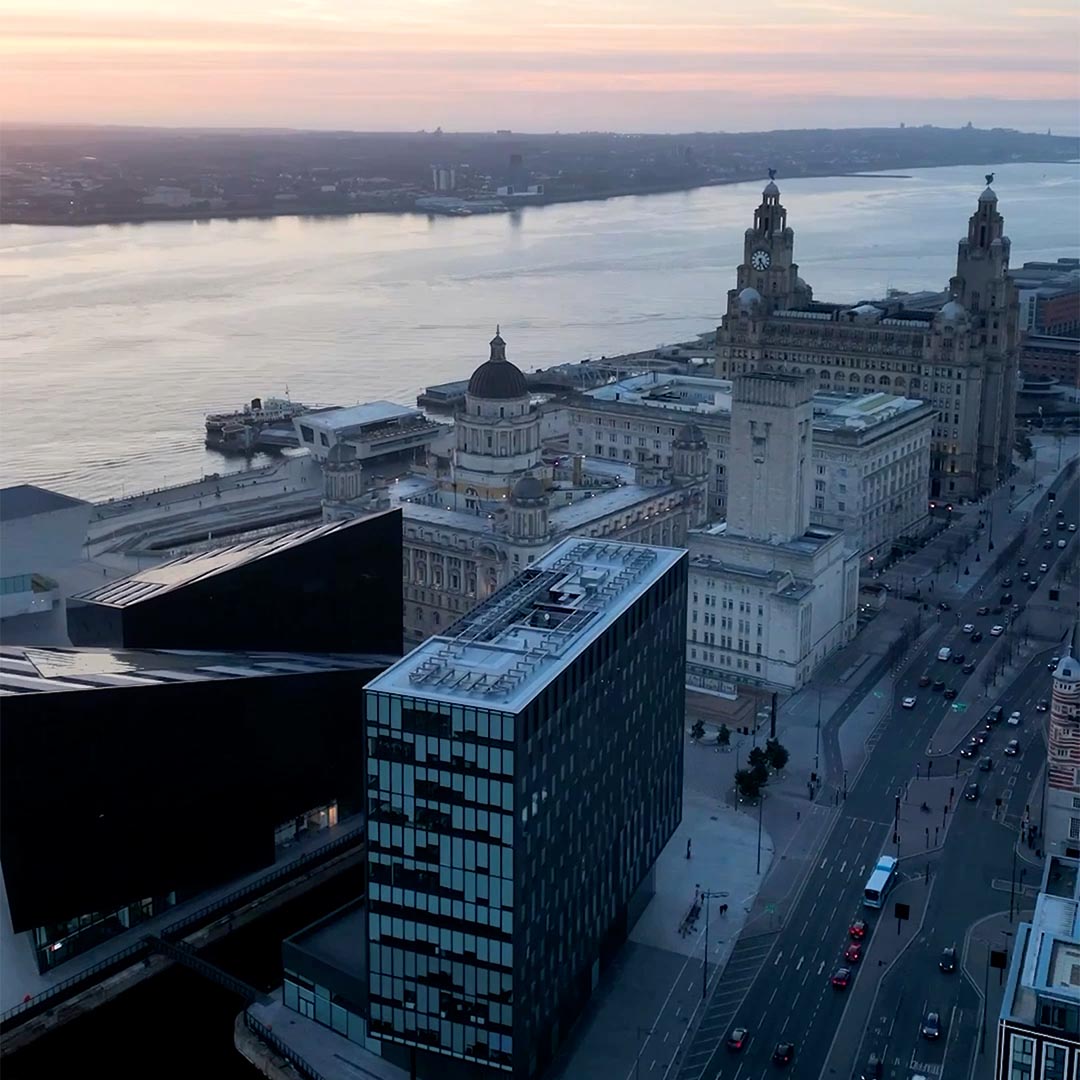
Stretching along Liverpool waterfront, into the Commercial Business District and up to Lime Street, the Culture & Commerce BID Area makes it the historic and heritage heartland of Liverpool.
With a new term running until 2031, the focus will be on encouraging footfall and commuters into the city centre and enhancing the public realm.
The key pledges are;
Encouraging inward investment to the Commercial Business District, attracting international investors and showcasing the scope of property and opportunity on offer in Liverpool city centre.
Working with city centre partners to improve wayfinding, utilising digital technology to make it easier to get around the city, with enhanced signposting.
A team working throughout the week to keep the city centre safe, secure and clean. A dedicated focus on the BID Safety Partnership, which brings key organisations together in the city centre to make it safer, and the Street Ranger team who remove graffiti, repair damage and clean key areas that businesses highlight.
Encourage commuters to make the most out of their days in the office, with a new LIV Card for levy payers, a year-round events programme and partner offers.
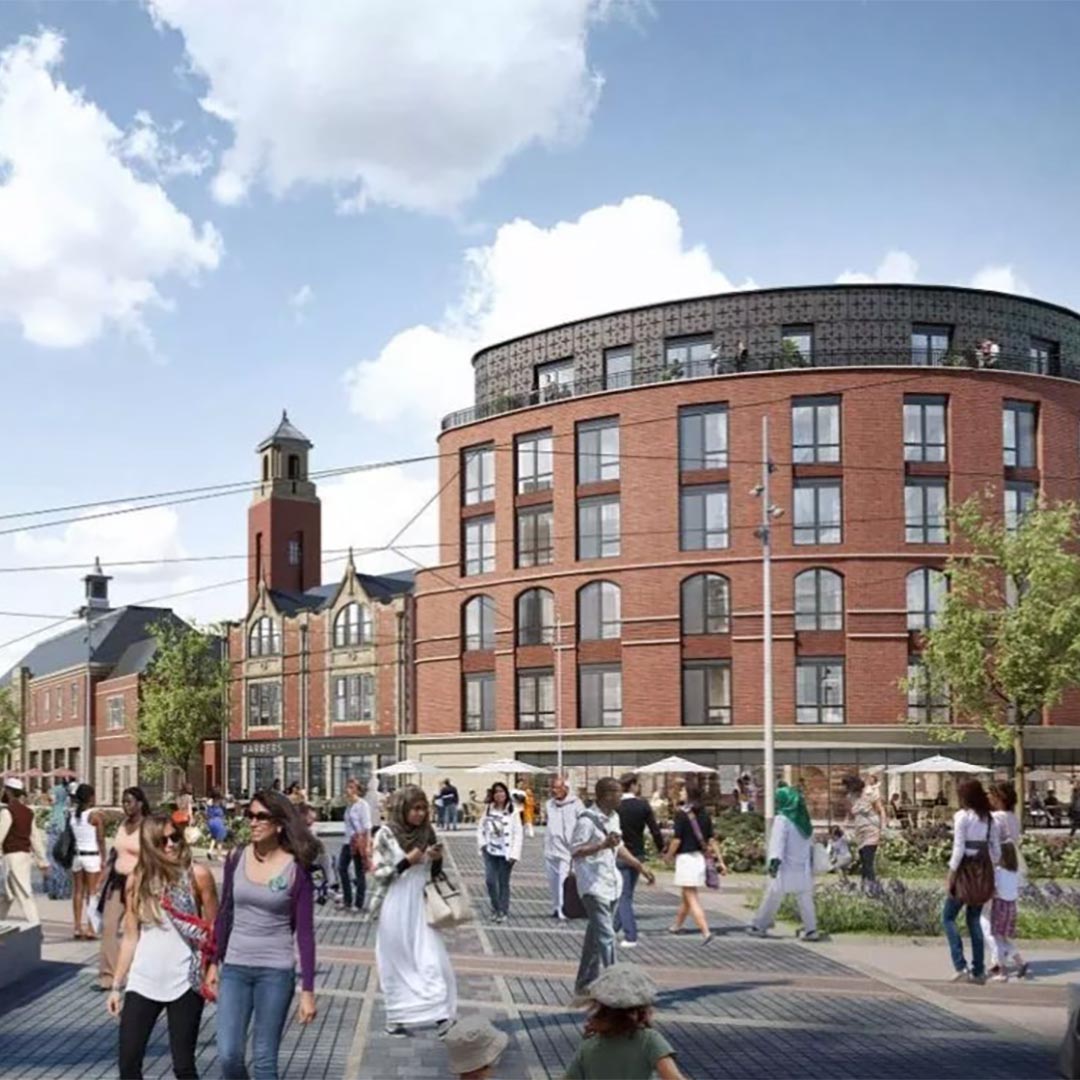
Public realm improvements, including restoring existing city centre squares and exploring new ways to animate public spaces. Activities like markets, public art and events will encourage visits and increase the dwell time, where people enjoy spending time in the public realm.
Being an advocate for the city’s businesses, providing a unified voice and a platform at local, regional, national and international level.
The Commercial District has been in a BID Area for almost two decades. In 2021, its geographical footprint was increased to include the Waterfront, helping to incorporate cultural and visitor economy destinations to generate a greater investment in the city centre.
Over those previous terms, the Culture & Commerce BID Area has seen millions of pounds of investment in the area. This has included public art and the public realm with the restoration of phone boxes, improvements to Exchange Flags and Temple Square, programmes like Must-See Month and Liverpool Restaurant Week to increase footfall and attention to culture, leisure and hospitality and the Liverpool Plinth. There has been a focus on the Waterfront and Castle Street as tourism destinations, bringing their communities together to lobby for changes they need to succeed. A central part of the strategy, post Covid, has been to give people an opportunity to do more with their time in the city centre during office days and to enhance the public realm.
Liverpool Business Improvement District is a not for profit, funded by an annual levy paid by those businesses which are eligible in designated areas of the city centre. Established in 2005, there are over 800 businesses in the city centre part of Liverpool BID Areas. The services they receive include dedicated street cleaning, networked radios to provide better security and coverage, lobbying and connectivity to those in power, including at a local, regional and national level. The funds are also used for events and animation in BID Areas designed to tell the story of particular neighbourhoods, to attract visitors and to help businesses to thrive. Liverpool BID also provides data services to help businesses understand how the city centre is performing.
Bill Addy is the CEO of Liverpool Business Improvement District
“Our pledge to business is to build on the work we’ve done and dedicate time and energy to those elements that make a real difference. Improving the public realm is good for business, it is often at the bottom of the list for funders but we see real value in creating spaces for people to enjoy, to enhance our beautiful city and make it a place we can be proud of. We invest in keeping it clean and safe, as well as animating our core areas with events and activity. We want to drive more investment by being able to tell the business story, the commercial story that is part and parcel of our everyday working lives. This is a great city to work in and to invest in. Its rich mixed economy, vibrant young and passionate workforce means we are on the top of the list for many international investors.
“In the two decades we’ve been operating we’ve seen many ups and downs in the economy, but a thing that has united us is our strong determination to make Liverpool thrive. Our businesses and commercial heart are the engine of our economy and they need a solid and stable environment to help them to succeed. Our cultural offer is one of the most popular in Europe, attracting millions of visitors every year, and each of our cultural institutions in the city centre is in a BID Area. They work hand in hand with us to help make this a vibrant and community driven city.”
Julie Johnson is Chair of the Culture and Commerce BID Board and Business Operations Partner at Morecrofts Solicitors,
“Our levy payers place a huge amount of trust into a Business Improvement District, and our commitment is to provide a business-led approach to make an environment for the commercial and cultural sector to thrive. We have a wide range of industry in Liverpool, from professional services to creative and digital technology, design, maritime, logistics, property and finance, alongside a rich visitor economy and hospitality sector. With this breadth of expertise, it becomes more important for us to listen to and to respond to the needs of our businesses. It isn’t simply our levy payers who benefit from our work; making Liverpool a more vibrant, safer, cleaner and attractive city helps every business choose this as a place to invest and work”.