Here’s the truth about placemaking – people aren’t really interested in who is doing it, as long as it’s done.
That’s the easy bit. In a richly mixed use city like Liverpool, with a thriving retail heartland, a vibrant cultural and nightlife, a bustling events programme, busy and growing commercial base and a world-beating visitor economy, our public realm has to work hard to meet both need and aspiration.
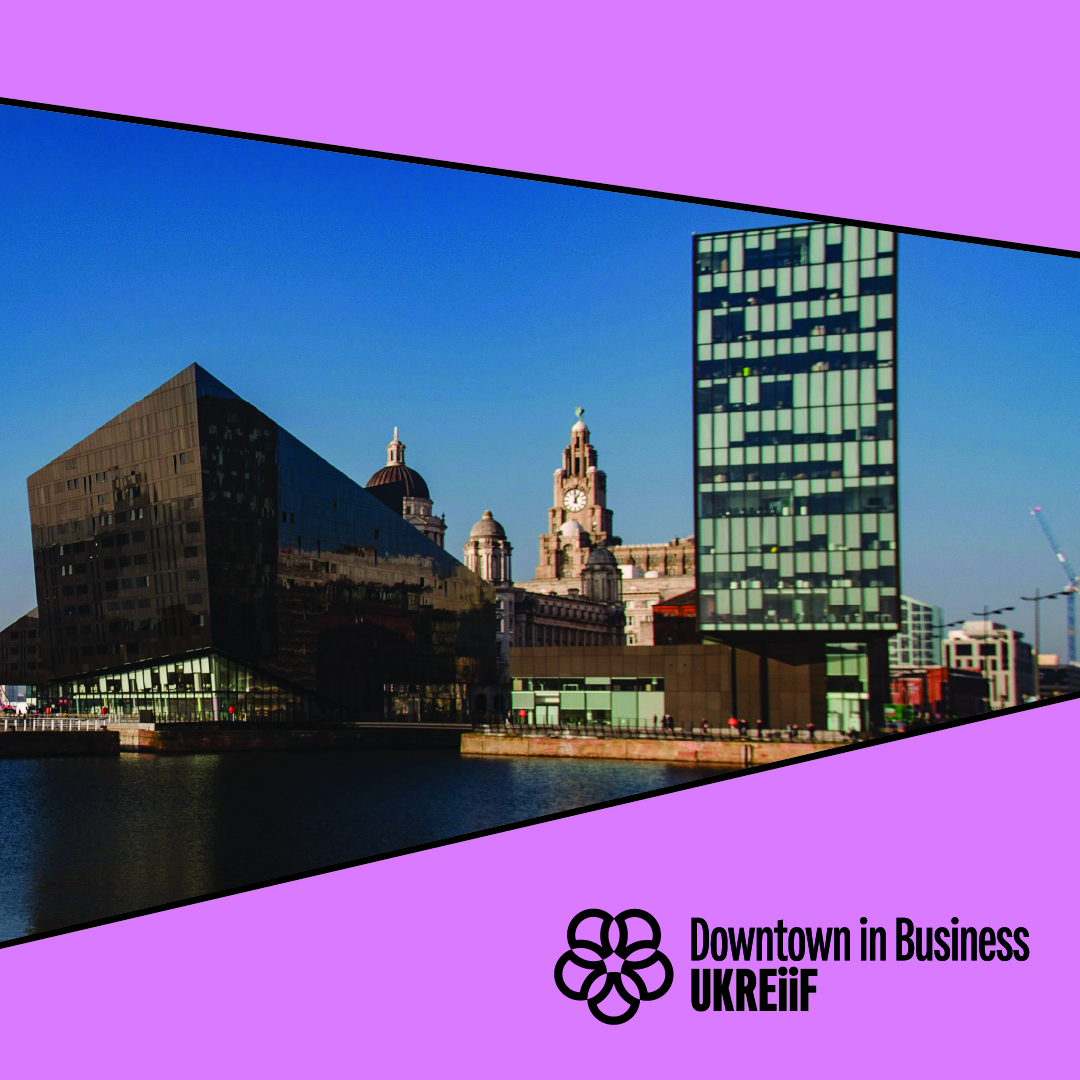
It has multiple stakeholders. Businesses invest in a city to ensure that it matches their ambition and drive. Liverpool has a skyline of stunning, historic architecture which has long attracted commercial investors who want to buy into that brand of heritage, quality, and prestige. It is a combination of the old and the new, past and future.
Firms invest and repurpose those buildings to meet their needs, Sony, in the heart of the Commercial District is the perfect example of this, Bruntwood and the Royal Liver Building, the Royal Albert Dock Liverpool. The history is part of the appeal.
Many of those heritage buildings equally attract developers looking to create addresses that are infused with a sense of culture and legacy. They are imbued with character.
The public realm has to match that sense of ambition. It must be clean, it must be equally ambitious in meeting needs and it must be flexible. It must embrace history, while building for the future.
What is vital is that we give stakeholders a voice. For the last five years we have been working across Liverpool’s Commercial District, the historic heartland of the city’s business community, to revitalise it post Covid and identify how it needs to evolve for a new generation.
From walking consultations to dedicated focus groups, we are talking to major businesses, employees, representatives from a younger workforce, moving to the city because of its national appeal.
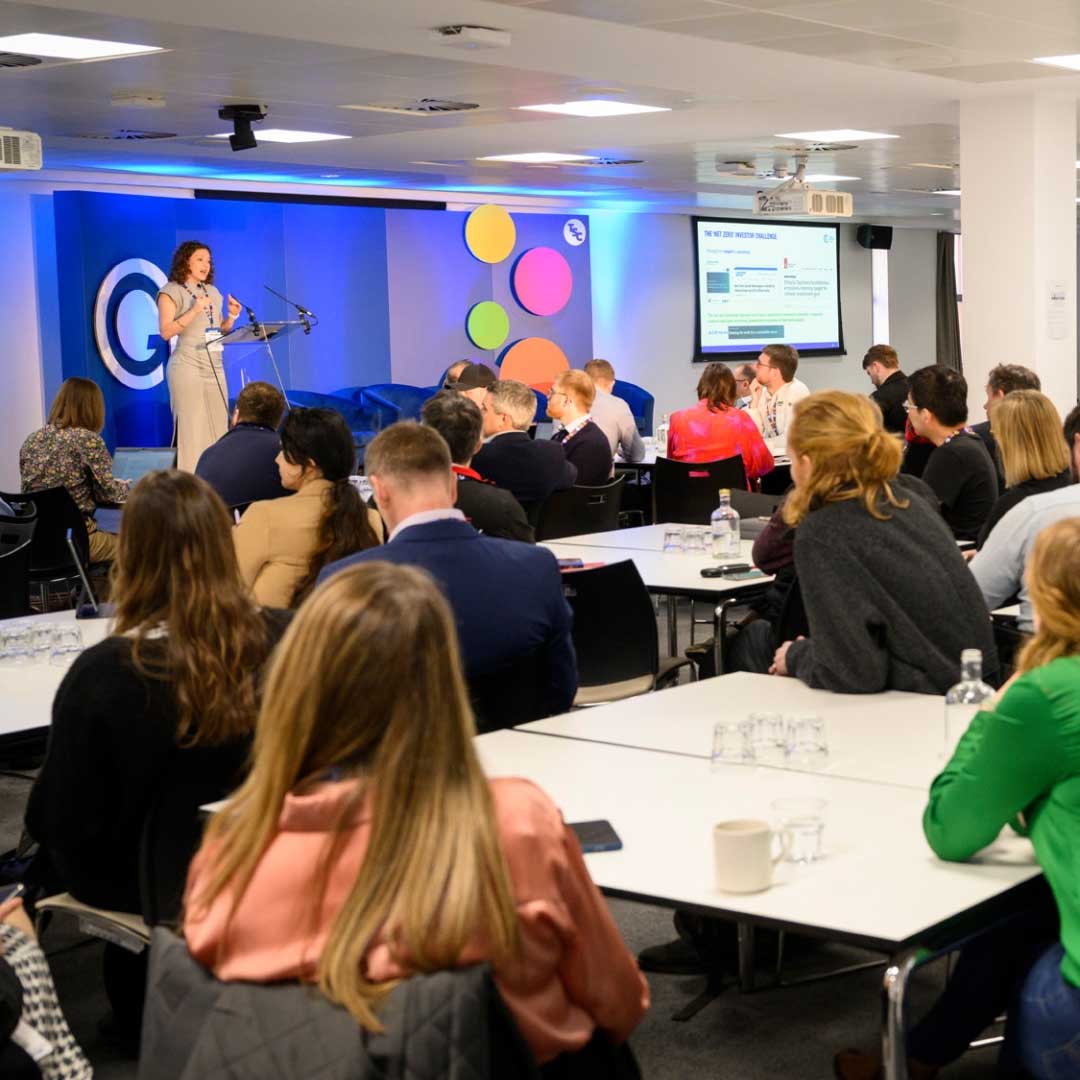
Recently, we held a consultation event with businesses across the area to decide on how a series of micro-investments should be made in different areas. From planters to public art, street cleaning to green spaces, we asked businesses what they wanted to see.
Having a city that’s clean, looks looked after and cared for is crucial. Yet placemaking is more than just clean streets. It is redefining the purpose of the public realm, ensuring a city is able to adapt to the shifting needs of its population.
Bringing events into different corners of the city helps people to see it in a fresh light. Take Exchange Flags, an historic square behind Liverpool Town Hall. Once a walkway to get from A to B we have worked with partners to bring events as diverse as The Grand Reveal, a new celebration of The Grand National in the city centre, food markets and music events, extending Celebrating Castle Street into a new food hub.
Placemaking takes investment and hard work. Gone are the days when a logo could be slapped on a neighbourhood, without talking to any of its stakeholders, and it could be re-branded as a success. In truth this approach never worked.
Instead it is a ground up approach, that provides a platform for us to bring everyone together, from the multinational to the microbakery, that allows those with the power to affect change to hear from those who need it. That is how we build cities that evolve, rather than staying static and preserved in aspic.