“It’s the economy, stupid”.
This famous phrase was coined by Bill Clinton’s chief strategist James Carville to focus the 1992 presidential campaign on how voters’ concerns on jobs, inflation and the cost of living dictate how elections are won and lost.
Since his inauguration in January this year, President Trump has made a million utterances on key political issues ranging from immigration to insurgence, policing to pop culture, and wars to world cups. His dizzying schedule of issues and liberal use of social media have steered the debate and set the agenda, creating a mélange of headlines, outrage and wonder in equal measure.
But now, twelve months later, voters are being asked to assess the President’s performance and the metric they are using is Carville’s old tried and tested favourite.
Voters are being asked if they feel better off, and what are their thoughts on the price of everything from healthcare and gasoline to eggs and hamburgers.
So, as the United States approaches the anniversary of Trump’s victory, and looks forward to critical mid-term elections in 2026, the nation finds itself at a crossroads. While the economy shows resilience in headline figures – markets are flirting with all-time record highs – households continue to grapple with affordability pressures.
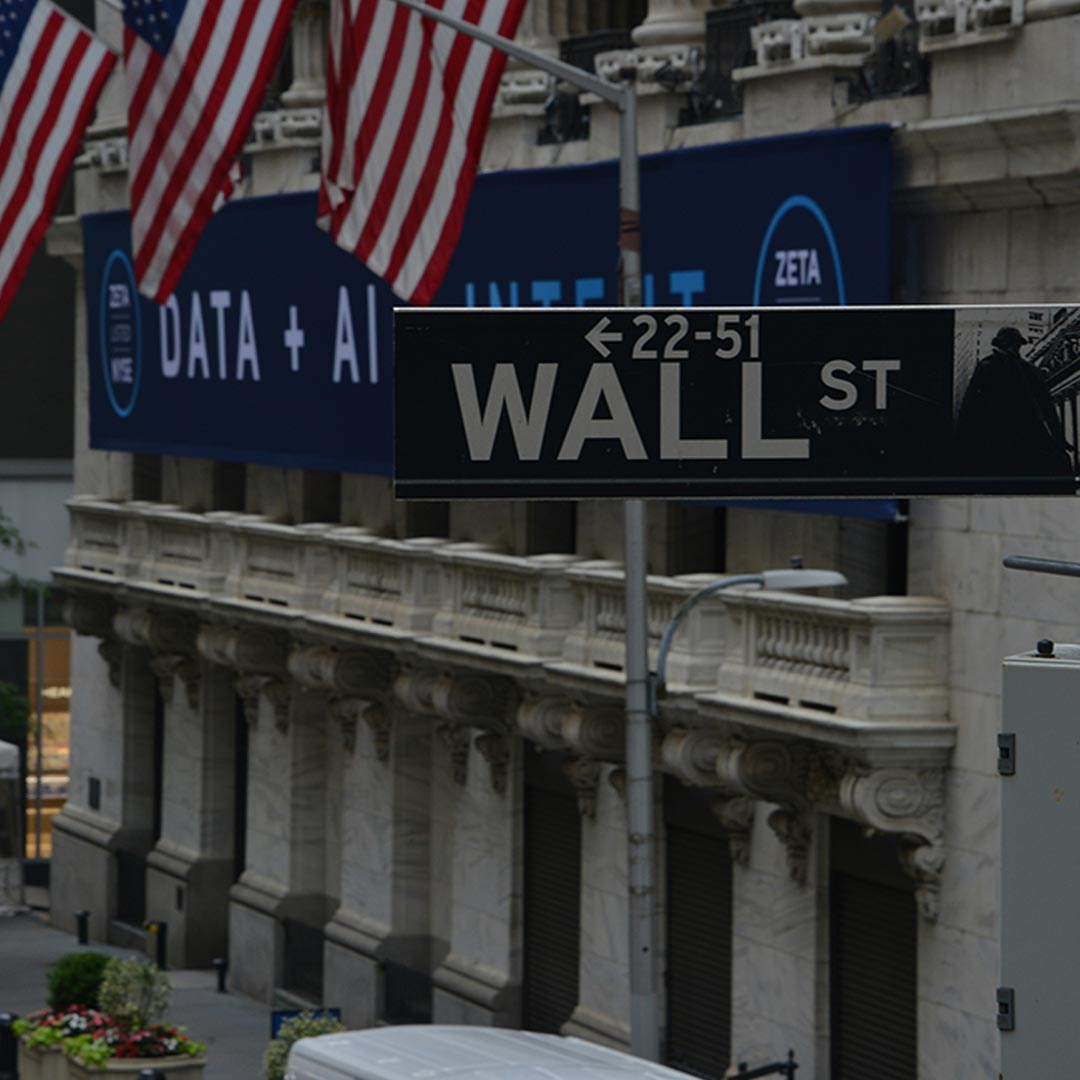
On the surface all looks good. Despite a 43-day government shutdown, the U.S. economy has delivered solid GDP growth in 2025, surprising many analysts. The prospect of AI has driven stock indices higher, and though there are fears of it being a bubble there is an opposite and equal fear of missing out, meaning, weirdly, we see bloated valuations while there are record levels of pessimism. Banker’s bonuses will be good, hedge fund corks will be popping, and Wall Street will have a Merry Christmas.
For most Americans however, the disconnect between these official statistics and our lived experience is even more striking.
Main Street America’s dominant concern is with groceries, housing, and healthcare costs not the stock price of Nvidia or Palantir. And while inflation is cooling compared to COVID times, price pressures remain stubborn. Recent data shows inflation running at nearly 3.0% year-over-year, driven by hikes in energy and food costs.
How ‘well off’ you feel is also closely linked to your employment status and US job creation has slowed with unemployment now ticking up at 4.4%. There have been sizeable layoffs in manufacturing and tech jobs while new hire gains are being made in healthcare and hospitality services, further underscoring the divides in America and her regional and sectoral imbalances.
For many Americans, their feeling of wealth and security is tightly wrapped up in the value of their biggest asset, and this year house prices have flatlined or only risen sluggishly, reflecting uncertainty and higher mortgage rates currently around 4 or 5%.
Many Americans report feeling squeezed and polls show that 59% of voters cite inflation and affordability as their top economic concerns.
Looking ahead, forecasts suggest growth will slow next year, as immigration policies weigh on labour markets and tariffs impact consumer prices. However, the massive level of investment in artificial intelligence infrastructure – more than $400 billion last year alone – is expected to continue providing a cushion to giddy stock market valuations.
So how is all this impacting the political picture? And how are MAGA and Republican voters in particular responding?
While many may be dismissive of polls and surveys, what the data really does is underscore the yawning gap between economic performance and public sentiment.
Trump’s latest approval ratings remain underwater, and while they are buoyed by perceptions of strength on crime, national security and traditional values, they are dragged down by inflation and cost of living.
Data released this week suggests 56% of voters are critical of the administration’s handling of the economy and only 31% supportive. A Fox News survey went further, indicating 76% viewed the economy negatively. This is worrying Republican campaigners and candidates looking ahead to the mid-terms and the battle for control of Congress.
This polling landscape reflects a strange paradox: Many voters credit Trump with strong national leadership but remain dissatisfied with their own personal financial situations. For many that tension is reaching its peak. They are starting to link the dots.
Even those who voted for the President last year are beginning to question his ability – or interest – in managing the economy.
While supportive of his America First policies, they are feeling the pinch of tariff-driven inflation as importers and businesses pass on the cost by raising prices.
Despite their support for policing the borders and deportations they are sensing creeping labour market fragility, as employment weakness in sectors like agriculture, services and manufacturing increase.
And they are very nervous about the state of the nation’s finances and sustainability, as fiscal conservatives they don’t like the budget-busting idea of spending more than you earn.
The administration is trying to face-down this mood swing.
In a recent interview, the President awarded himself an “A+++++” for his handling of the economy, and at a rally – ironically in a casino – called the affordability crisis a ‘Democrat hoax’ and assured everyone things were getting better and they would be winners soon.
He didn’t say it but, ‘This time next year, Rodney …”
A $12billion bail out for farmers hit by tariffs on soy and dairy and livestock will only cool their protests for a while and even Trump’s promise to send each of us a ‘$2000 Tariff Check’ is causing concern as it would cost the Treasury a cool $600billion – when they are already $1.8Trillion in debt.
It is possible a new Fed Chief in the new year may start the quantitative easing printing presses again and flood us with billions of new dollars, but that will just send inflation spiraling – further good news for the markets but horrible for working people and savers.
So, as the anniversary of Trump’s first year back in power arrives, it comes at a moment of political ambivalence.
The U.S. economy is stronger on paper than it is in perception.
Households remain caught between macroeconomic resilience and microeconomic strain. GDP growth and investment suggest resilience, yet affordability pressures dominate household concerns.
Political polling captures this tension: Trump retains significant support, particularly on crime and security, but inflation remains his Achilles’ heel.
As the nation heads into 2026, the central question is whether headline growth can translate into genuine relief for American families.
As Carville told us, the political consequences of this disconnect will shape the 2026 midterms and the politics of the nation.