There was something slightly strange about arriving in Liverpool for my first Labour Party Conference.
I’m from the Wirral, so Liverpool is hardly unfamiliar territory. I’ve spent plenty of time there through work and outside of work but seeing the city during conference week was different.
Suddenly, everywhere you looked there were delegates, politicians, journalists, business leaders and organisations hosting events and receptions. Hotels and venues that I knew as part of the city’s business and hospitality scene had become conference hubs, and conversations about politics, business and the future of the country seemed to be happening everywhere.
For the first time, I wasn’t just following those conversations from the outside. I was there.
Working in marketing and communications, I’m used to attending business events and being around senior leaders, but Labour Party Conference was a different environment. There was a real crossover between politics, business and the organisations working across our cities and regions.
One of the things I noticed most was how much of conference happens outside the main stage. There were receptions, roundtables, dinners and smaller discussions taking place throughout the city, creating opportunities to hear from people directly and, perhaps more importantly, to meet people you wouldn’t normally come across.
The Liverpool Business Improvement District and Mayors’ Lounge was a good example of that. It brought together conversations around Liverpool, its visitor economy and the role of the city within the wider political and economic landscape. Having grown up nearby, it was interesting to see conversations about the city I know being had in rooms filled with people from across the country.
The Liverpool Model was another conversation that caught my attention, particularly around what greater local control could mean for the city and the wider city region. Devolution can sometimes feel like a fairly abstract political term, but hearing people discuss what it could actually mean for places like Liverpool made it much more tangible.
There was also a hospitality roundtable on Tuesday, which brought another side of the conversation into focus. Hospitality is a huge part of Liverpool’s economy and identity, so it was interesting to hear directly about some of the challenges and opportunities facing the sector.
For me, these were some of the most useful parts of conference because they connected the bigger political conversations with things that are much closer to home.
There was plenty of networking too. The DIB and Best for Britain dinner brought together people from different parts of the political and business world, while conversations around the Metro Mayors highlighted just how important regional leadership has become.
It was also interesting to see how much the business community engages with conference. There is sometimes a perception that politics and business operate in separate worlds, but being there made it fairly obvious that there is a lot of crossover. Businesses want to understand what is coming next, while politicians and local leaders need to understand the realities facing businesses and the places they represent.
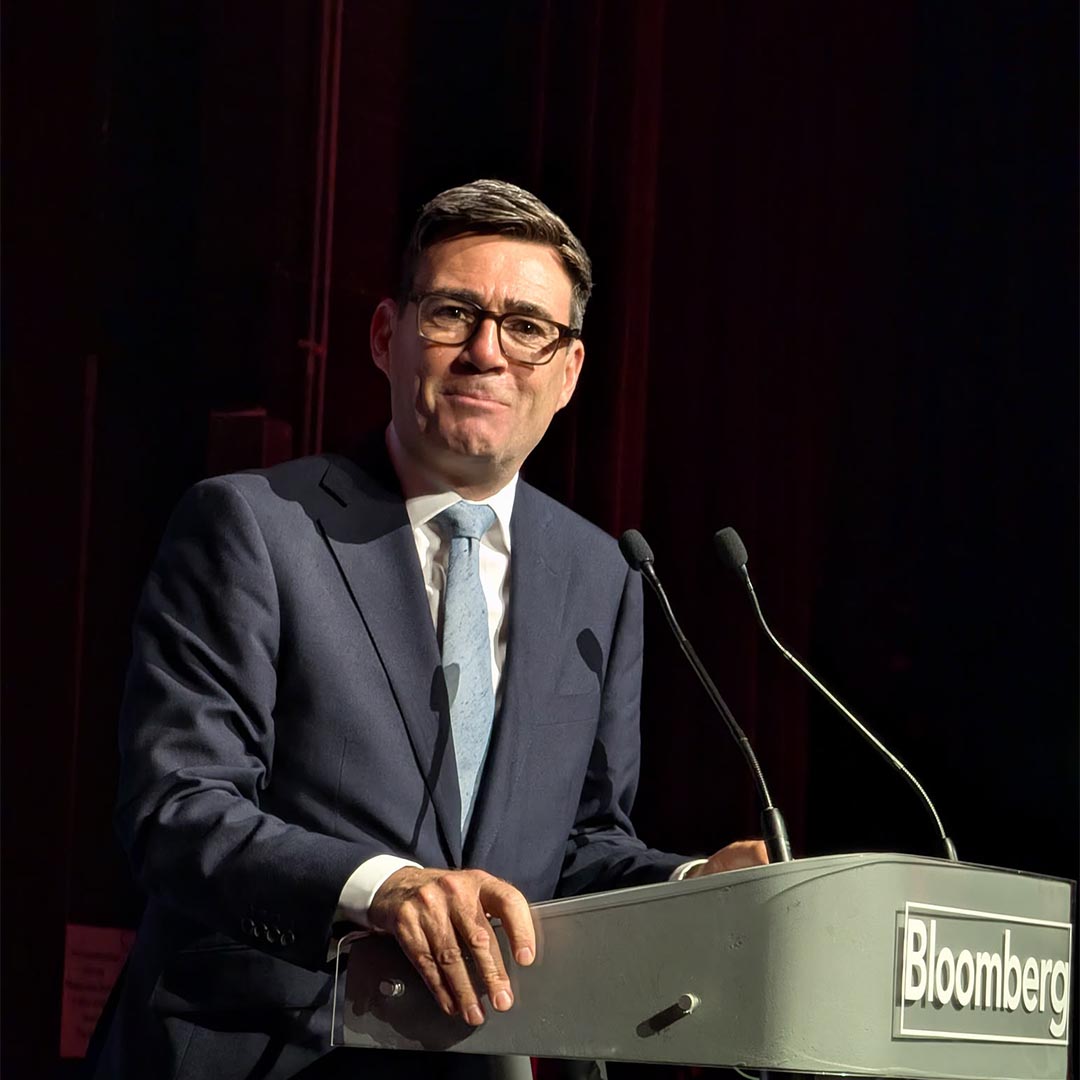
The Bloomberg reception certainly did not disappoint, with Lucy Powell MP , Jonathan Reynolds MP, Louise Haigh MP, Chancellor John Healey, Foreign Secretary Ed Miliband and Prime Minister Andy Burnham all speaking.
For someone attending their first conference, being in a room with that level of political representation was certainly a change from watching the same people on television or reading about them online.
And then there was Prime Minister Andy Burnham’s first conference speech.
Whatever your political views, it was significant to see Liverpool host a major political conference and to hear the Prime Minister speak about the future of the country from a city that I know well.
That was probably one of the biggest things I took away from the week. Politics can sometimes feel quite distant, particularly when you’re young and at the beginning of your career. You see the debates, speeches and announcements, but they can feel like something happening somewhere else.
Being at conference made it feel much more real.
It also made me realise how much of politics is about relationships and conversations. The speeches are obviously important, but so are the conversations happening around them. Meeting people, hearing different perspectives and understanding why particular issues matter to different sectors and different parts of the country gives you a much broader picture.
As someone relatively early in my career, that was probably the most valuable part of the experience for me.
I didn’t go to Labour Party Conference expecting to come away with all the answers, and I certainly didn’t. But I came away with a better understanding of how political, business and regional conversations connect, and how much happens behind the headlines.
And perhaps because I’m from the Wirral, there was something particularly interesting about experiencing all of this in a city that already feels familiar.
For a few days, Liverpool was at the centre of the political conversation. I was lucky enough to be there to see it from the inside.