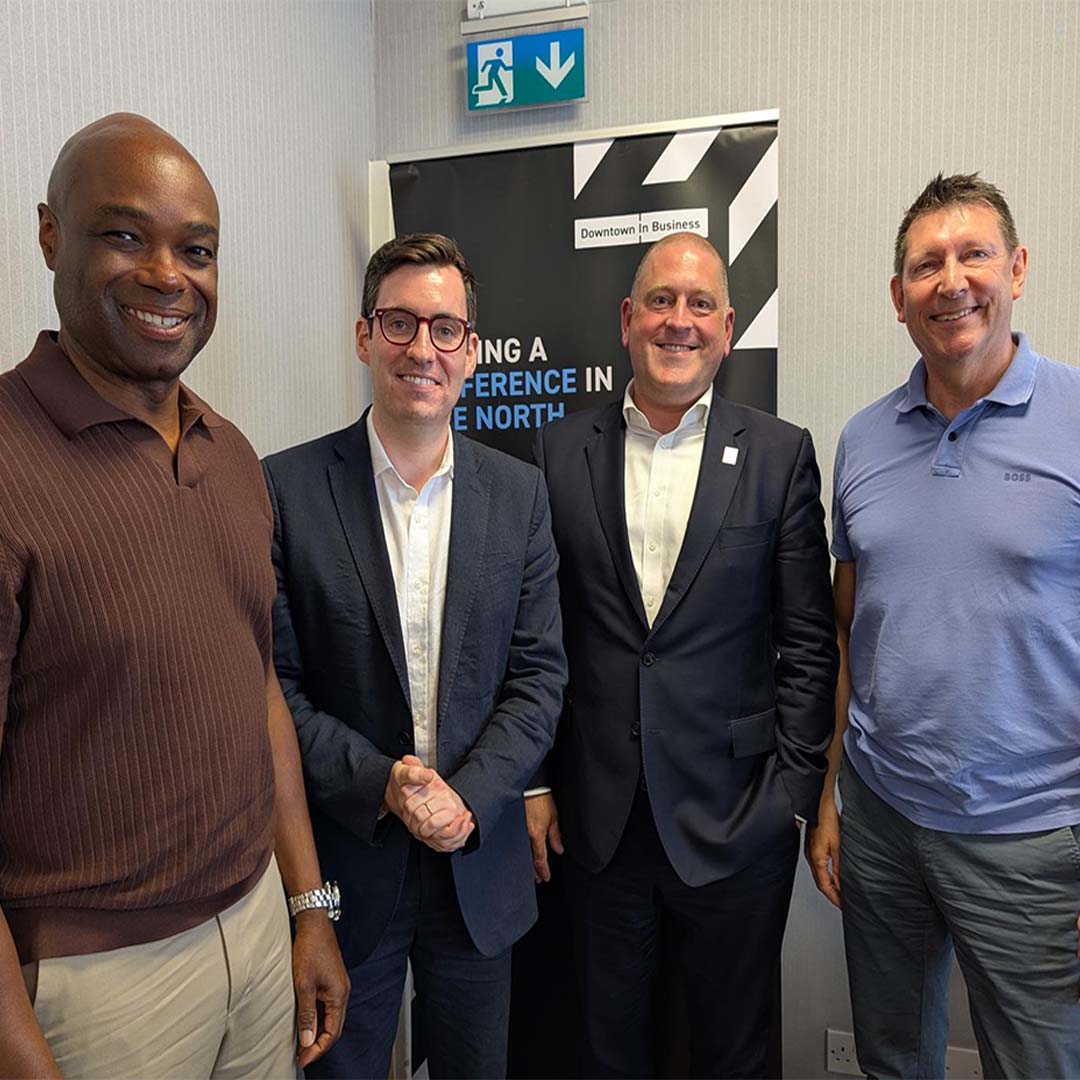
Downtown in Business has warned that proposals to create four unitary authorities in Lancashire risk undermining both public service delivery and the county’s long-term economic ambitions.
As Lancashire prepares for the most significant restructuring of local government in half a century, alongside plans for a new Combined Authority and the potential introduction of a directly elected mayor, DIB is urging ministers and local leaders to focus on creating councils with the scale and capacity to succeed.
The business organisation believes that a four-unitary model would create authorities that are simply too small to manage the enormous responsibilities they will inherit.
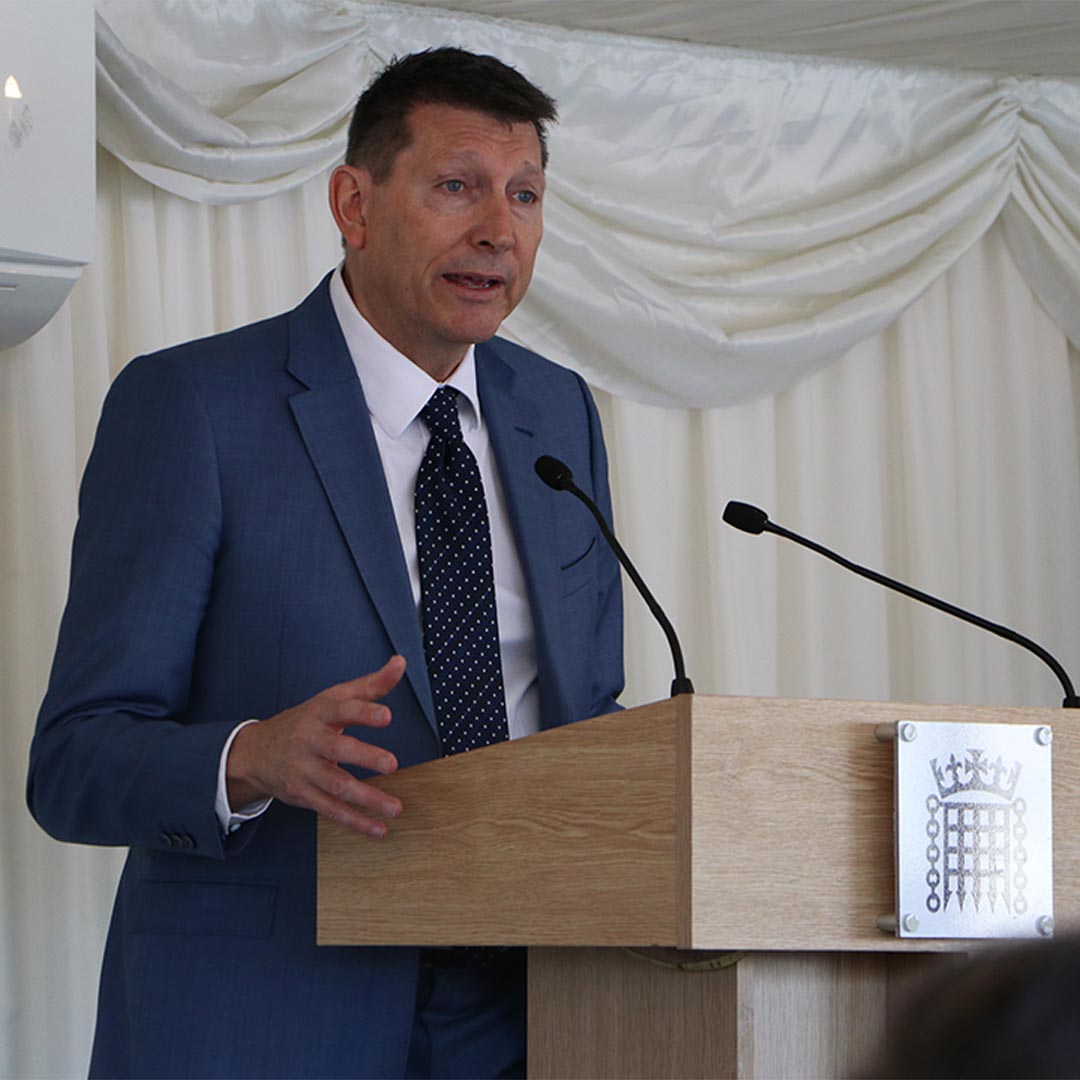
DIB group chairman and chief executive Frank McKenna said:
“The Government’s devolution agenda is built around stronger local leadership, greater accountability, and more effective public services. Those ambitions will only be realised if the institutions beneath the Combined Authority are robust enough to play their part.”
“The danger is that Lancashire creates councils that are too small to cope with the scale of the challenge they face. Adult social care, children’s services, education, housing, public health and transport are all under increasing pressure. These are not minor responsibilities. They account for billions of pounds of public spending and affect the lives of every resident.”
McKenna pointed to the success of devolved city regions such as Greater Manchester and the Liverpool City Region, where large strategic councils have provided stability and capacity alongside mayoral leadership.
“When we look at the most successful devolved areas in England, we see strong institutions working alongside strong mayors. Lancashire should be learning from those examples.”
“This debate cannot be driven by local politics, historical rivalries, or who gets which town hall. It needs to be driven by what structure is most likely to deliver excellent public services and support economic growth over the next generation.”
Downtown in Business argues that larger unitary authorities would benefit from stronger management capacity, greater economies of scale, increased financial resilience, and a greater ability to attract investment and work effectively with the future Combined Authority.
“The new mayor and Combined Authority will be expected to drive growth, secure investment, improve skills, strengthen transport links, and champion Lancashire nationally and internationally. They will need capable partners around the table.”
“If we get this right, Lancashire can become one of England’s most successful devolved economies. If we get it wrong, we risk creating a structure that struggles to meet expectations from day one.”
McKenna concluded:
“This is a once-in-a-generation decision. The question shouldn’t be how many councils Lancashire can get away with creating. The question should be what size of council is needed to deliver the services residents depend on and the economic growth businesses want to see. On that basis, size matters.”