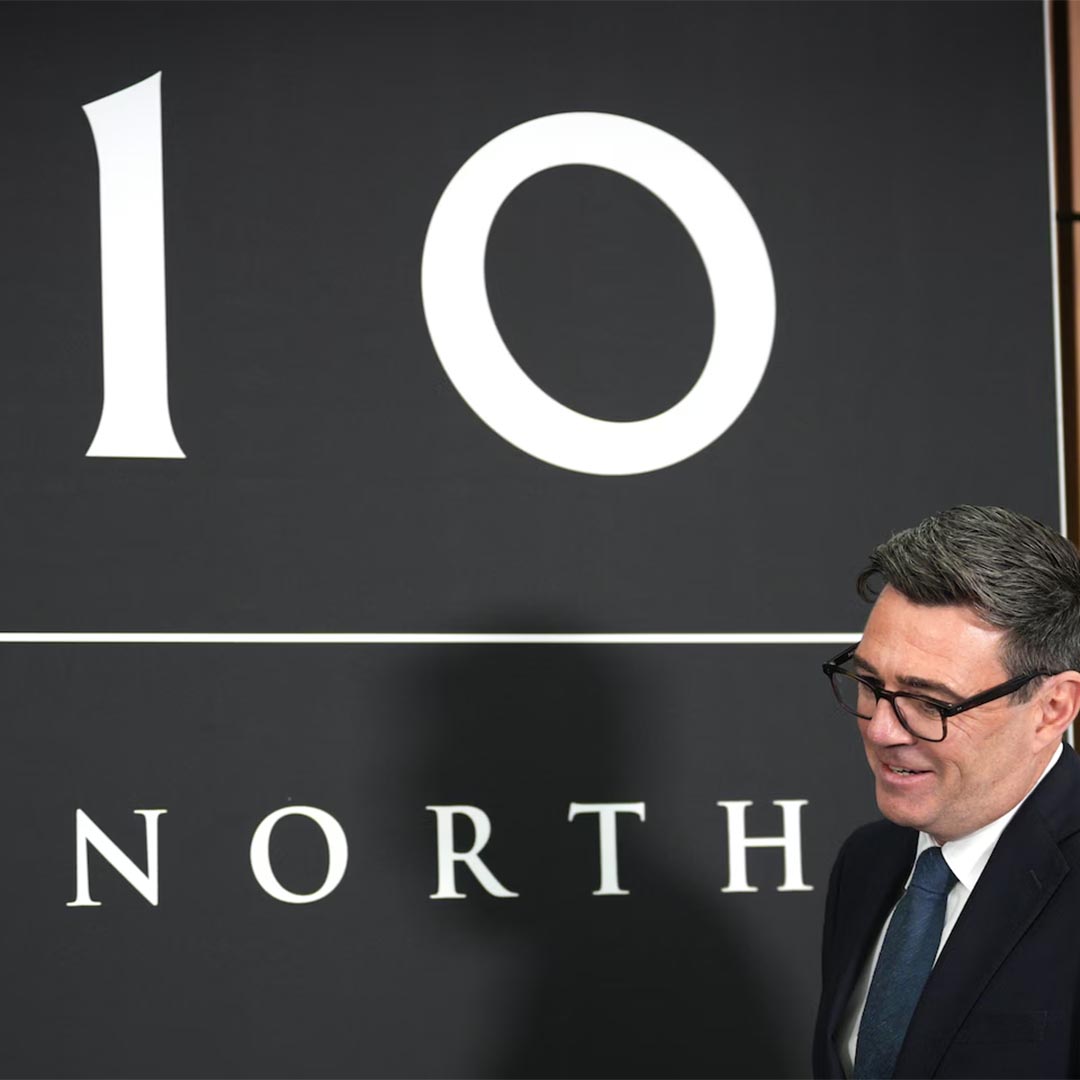
The establishment of Number 10 North in Manchester could represent one of the most significant shifts in British government for decades – and should serve as a wake-up call for Lancashire’s political leaders.
Downtown in Business (DIB) has warned that Lancashire risks missing out on new powers, investment and influence if it continues with a limited, non-mayoral devolution settlement while neighbouring city regions strengthen their relationships with central government.
Number 10 North is expected to work alongside the Treasury in driving economic growth, bringing senior government decision-making closer to northern England.
However, DIB argues that proximity alone will not guarantee Lancashire a voice. Greater Manchester, Liverpool City Region and other mayoral authorities will approach government with recognisable leaders, established institutions and clearly defined economic priorities.
Lancashire, by contrast, still lacks a single, democratically accountable figure capable of speaking for the whole county.
There is growing frustration among Lancashire’s business leaders at the lack of progress. While there is broad support for greater devolution and stronger local decision-making, political disagreements over geography, governance and local identity continue to delay the establishment of an elected mayor. Businesses are increasingly concerned that Lancashire’s competitors are getting on with securing powers and investment while the county remains preoccupied with structures and boundaries.
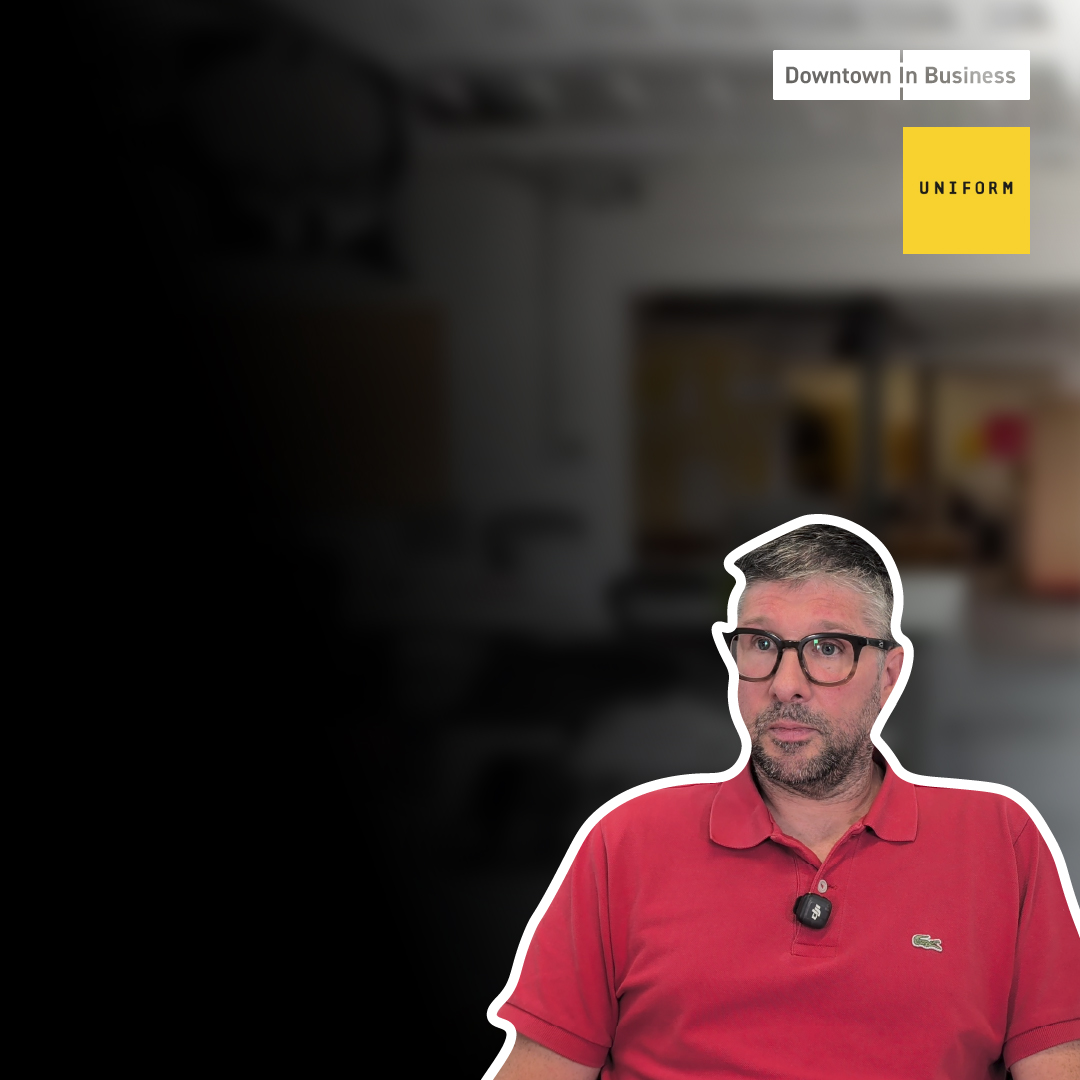
Frank McKenna, Group Chair and Chief Executive of Downtown in Business, said:
“Number 10 North brings the centre of government much closer to Lancashire -but that does not automatically give the county a seat at the table.
“Greater Manchester and Liverpool City Region have powerful, visible mayors who can articulate their priorities, negotiate with government and provide confidence to investors. Cumbia and Cheshire & Warrington will elect mayors in May 2027.
“Lancashire has enormous economic strengths, but it still cannot answer a basic question: who speaks for the county? By this time next year, we will be the only place in the North West without a mayor.
“The frustration within the business community is palpable. Business leaders have been talking about the need for meaningful devolution for years, but progress has been painfully slow. While local politicians debate boundaries, titles and individual interests, other areas are securing more power, more money and greater influence.
“Lancashire needs to stop settling for devolution-lite. It should negotiate a full-fat settlement, establish an elected mayor and ensure the county is properly represented when the big economic decisions are made.”
“The county has major strengths in advanced manufacturing, aerospace, energy, higher education, tourism, agriculture and national defence. DIB believes these assets give the county a compelling proposition – but only if they are brought together within a coherent economic strategy supported by strong political leadership.”
McKenna added:
“An elected mayor would not be a magic wand, and Lancashire should not simply copy the Greater Manchester model. Any settlement must reflect the county’s distinctive cities, towns, coastal communities and rural economy.
“But the direction of travel is now unmistakable. Serious powers, substantial funding and direct access to government are increasingly being channelled through mayoral strategic authorities.
“Lancashire can either get organised and claim its place – or watch from outside the room while its neighbours take their seats at the table.”