There is much to celebrate in the latest figures for the Liverpool City Region visitor economy.
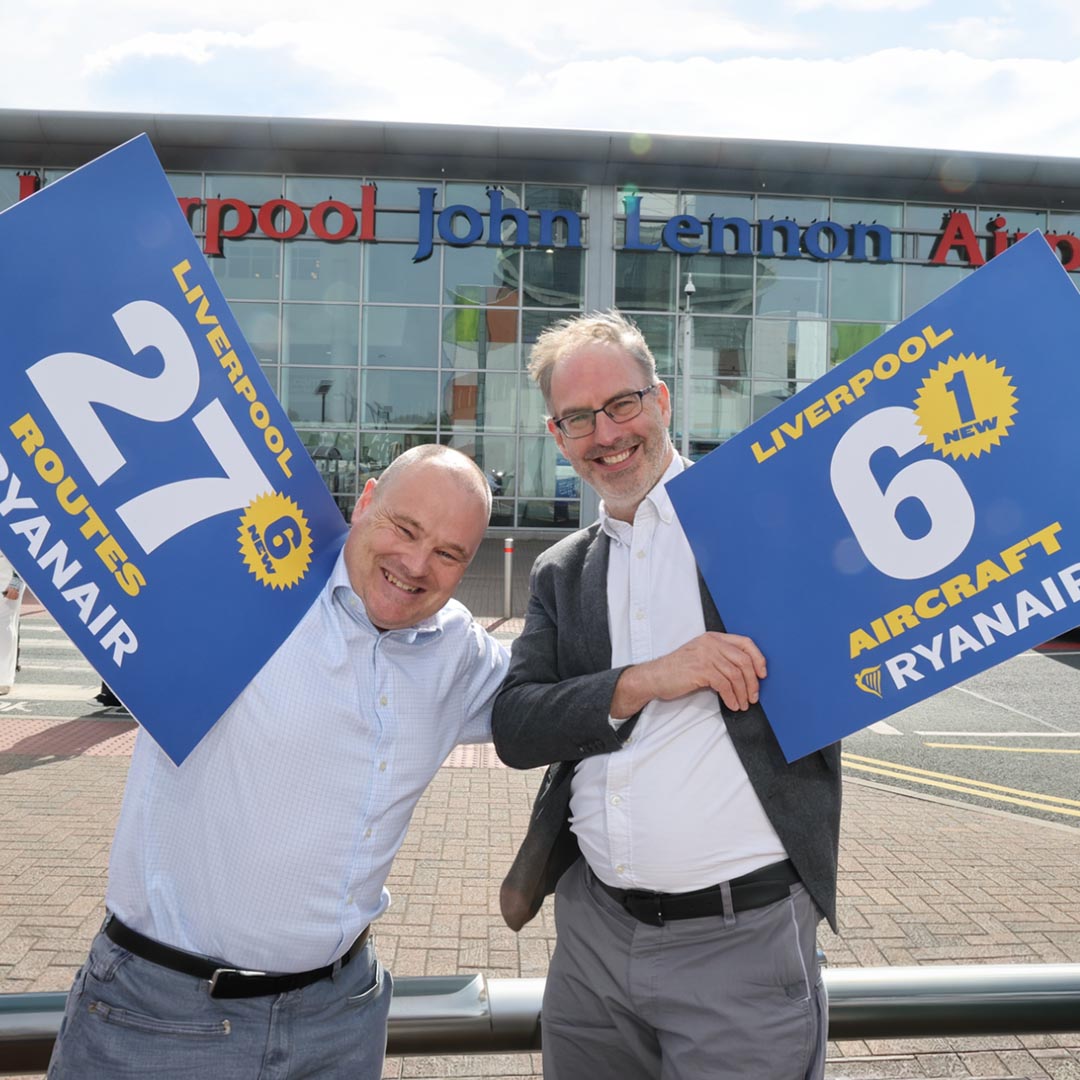
In 2025, the sector generated a record £6.834 billion, welcomed more than 61.5 million visitors and supported almost 58,000 jobs. Liverpool itself accounted for £4.87 billion of that economic activity, with visitor numbers increasing by more than 12%.
These are impressive results. They reflect the strength of our cultural offer, our two Premier League football clubs, the appeal of our waterfront and music heritage, and Liverpool’s well-earned reputation as one of Britain’s most welcoming and entertaining cities.
The visitor economy is a major Liverpool success story. We should celebrate it, invest in it and continue finding ways to encourage more people to visit the wider city region.
But we must be clear about what these figures do -and do not—tell us.
Of the 61.5 million visitors recorded during 2025, more than 55.5 million were day visitors. Across the city region, overnight visitor numbers increased by just 0.4%. In Liverpool itself, they were flat.
That means Liverpool is attracting more people but not yet converting enough of those visits into longer stays, higher spending or deeper economic value. More importantly, it exposes the danger of treating visitor numbers as a substitute for a balanced economy.
Tourism, hospitality, culture and major events are tremendous assets. But they cannot carry the economic ambitions of an entire city region. No serious long-term economic strategy can depend so heavily on people coming for a day, spending modest amounts and then leaving.
Visitor-economy employment can be seasonal, relatively low-paid and particularly vulnerable to changes in consumer confidence, household finances, travel disruption and global shocks. The pandemic demonstrated just how exposed tourism-dependent economies can become when visitors disappear. The sector generates footfall, vibrancy and valuable employment, but it cannot, on its own, deliver the productivity improvements, business investment, innovation and high-value jobs that Liverpool needs.
This is not an argument against tourism. It is an argument against overreliance.
There has been an understandable tendency over recent decades to promote Liverpool primarily through its visitor offer. It is attractive, visible and comparatively easy to market. A successful festival, concert or major sporting event produces immediate photographs, headlines and crowds.
Corporate investment, business growth and infrastructure development are less glamorous. They take longer, require sustained leadership and do not always produce an instant ribbon-cutting moment.
But they are the foundations of a stronger economy. Liverpool cannot afford to keep prioritising what is easiest to promote over what is most important to build.
The city region must now make diversification a central economic priority—not a secondary ambition to be pursued when tourism growth slows.
Liverpool continues to underperform in attracting foreign direct investment. In 2023, it was ranked only 16th among UK cities for FDI projects. an improvement on the previous year, but still well behind competing regional cities such as Manchester. That should concern us deeply.
A city with Liverpool’s history, talent and international profile should be attracting far more investment. We possess many of the essential ingredient’s investors seek: world-class universities, internationally significant strengths in health and life sciences, digital and creative talent, a major port, an improving transport network and a powerful global brand.
Yet we have too often struggled to turn those assets into sufficient numbers of inward investments, corporate headquarters and growing private-sector businesses. The gap between our potential and our performance is now too large to ignore.
Liverpool needs an economy that does more than welcome visitors. It needs an economy that creates companies, attracts capital, develops intellectual property, exports products and services, and provides well-paid careers for local people. It needs sectors capable of growing regardless of whether the latest concert sells out or whether consumer confidence is rising.
Downtown in Business recognises that there are reasons for optimism.
The emerging North Docks Mayoral Development Corporation represents a potentially transformative opportunity. The area has the capacity to deliver thousands of new homes, commercial space, modern infrastructure and a new destination of national significance.
The proposed £1 billion Kings development at the King Edward Triangle is another powerful vote of confidence in Liverpool. Backed by Home Bargains founder Tom Morris and led by experienced developer Hugh Frost, the scheme would transform eight acres of neglected city-centre land with ten towers-including a landmark 70-storey building -alongside around 2,750 homes, a five-star hotel, offices and substantial commercial, leisure and hospitality space. Its scale and ambition are precisely what Liverpool needs: locally generated wealth being reinvested in the city, experienced private-sector leadership prepared to think big, and a development capable of reshaping the skyline, attracting further investment and extending the commercial core towards the waterfront. Liverpool has spent too long discussing its potential; projects of this quality can begin turning that potential into visible economic confidence.
We also welcome public-sector intervention to unlock the proposed Pall Mall commercial development. Liverpool’s commercial district has waited far too long for a significant new Grade A office scheme. Without modern, high-quality office space, we cannot credibly compete for major professional-services firms, expanding businesses and corporate relocations.
The Hemisphere development at Paddington Village is equally important. Liverpool’s strengths in life sciences, health innovation and technology need the laboratories, workspaces and collaborative environments in which ambitious companies can start, scale and remain in the city.
These projects matter because they can help shift Liverpool’s economic centre of gravity. They offer the prospect of more productive businesses, higher-value employment and a stronger commercial base. They demonstrate the value of an active public sector working in partnership with business. Strategic intervention is justified when it unlocks stalled sites, addresses market failure and creates the conditions for sustainable private investment.
However, property developments alone will not guarantee economic growth. New buildings are only valuable if they are occupied by successful businesses, connected to the right infrastructure and supported by a workforce with the necessary skills.
Liverpool City Region needs a more robust approach to business support, scale-up finance, skills, international promotion and investor aftercare. We must help indigenous companies grow, encourage successful local businesses to keep their headquarters here and create a compelling proposition for national and international investors.
We also need to stop measuring success primarily through visitor numbers. The more important questions are whether businesses are scaling, whether productivity is improving, whether wages are rising, whether investment is being secured and whether young people can build rewarding careers without leaving the region.
Infrastructure matters too. Businesses need reliable transport, strong digital connectivity and access to energy, development land and skilled people. The continuing uncertainty surrounding major rail investment across the North undermines Liverpool’s competitiveness and reinforces the need for a much louder and more coordinated civic and business voice.
If Liverpool is serious about competing with Manchester, Leeds, Birmingham and other major cities, it must offer investors more than a strong brand and an enjoyable weekend. It must offer certainty, capacity, connectivity, talent and a clear route to growth.
The ambition should not be to choose between tourism and the wider economy. That would be a false argument.
A successful visitor economy strengthens Liverpool’s international reputation, supports thousands of businesses and makes the city region a more attractive place in which to live, work and invest. Our cultural and visitor assets should form part of the proposition we take to investors – not become the whole, or the principle, proposition.
Indeed, diversification would strengthen tourism itself. A larger corporate economy would generate more business travel, conferences, investment and year-round demand. Better-paid residents would support the hospitality and cultural sectors. More successful companies would create the tax base and confidence needed to sustain public investment in the city’s attractions and infrastructure.
But that virtuous circle will not happen automatically. It requires a deliberate change in emphasis.
Liverpool must remain a brilliant place to visit. But it also needs to become a better place to establish a company, grow a business, locate a headquarters, invest capital and create high-value jobs.
So, yes, let us celebrate a record £6.8 billion visitor economy. It is a remarkable achievement and a credit to the businesses, workers and organisations that make Liverpool such a compelling destination.
But we must not confuse popularity with prosperity, footfall with productivity or visitor numbers with economic resilience.
Celebration must not become complacency. Liverpool’s visitor economy is one of the foundations on which its future can be built. It cannot be the ceiling of our ambition.