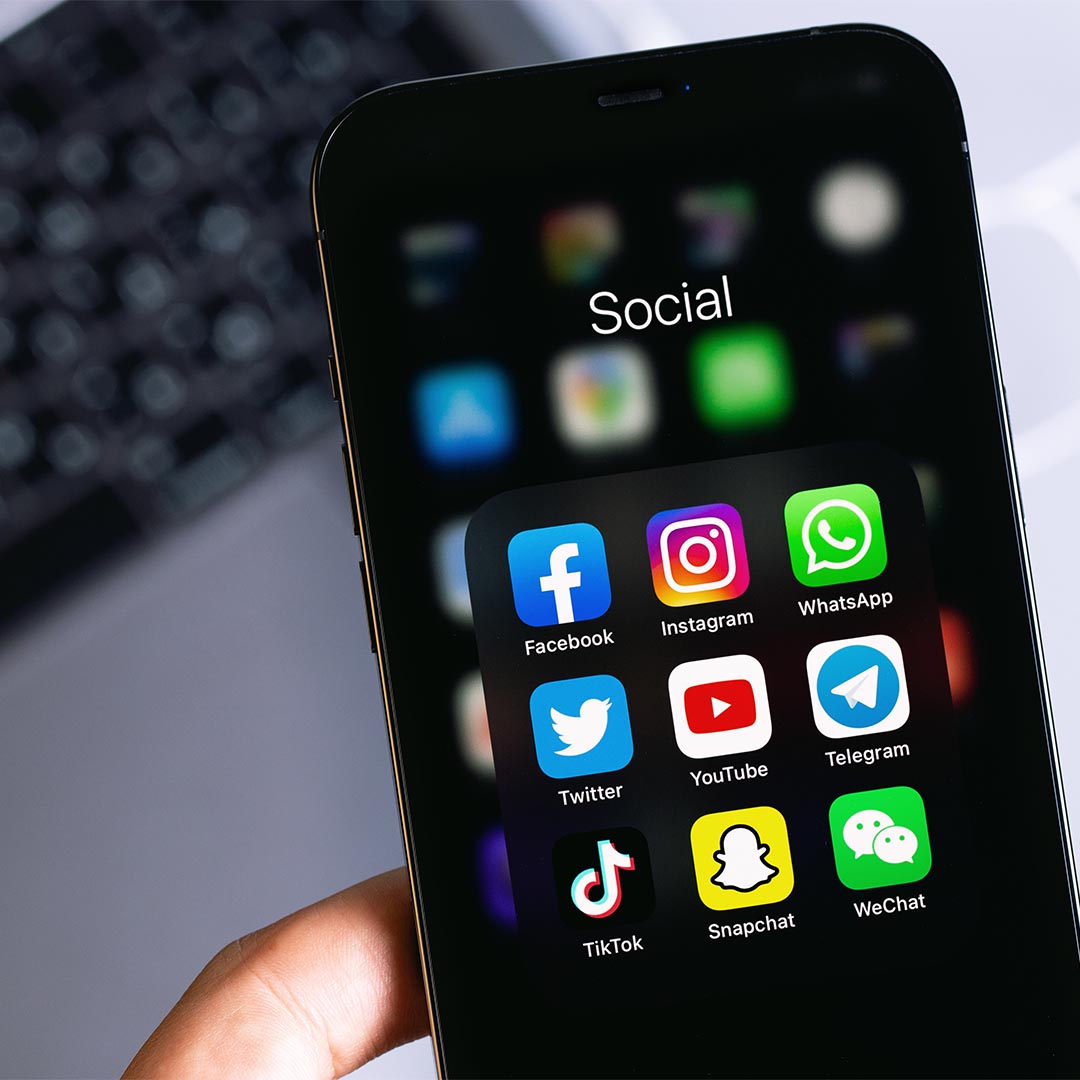
How have we got into a situation where our children are exposed to hard core porn, inducement to commit suicide, beheadings, and other political violence as part of an obscene economic model? The more vile the image, the more outrageous the opinion, the more clicks it gets boosting the profits of content creators, advertisers, and the tech giants.
It has led to widespread personal tragedies, warping and, in some cases, ending the lives of young people. On a global scale it has contributed to the increasingly inflammatory way in which politics is discussed leading to the rise of extreme parties. The disgraceful presidency of Donald Trump has been defined by his intemperate outbursts on his own Truth Social platform.
We would never have allowed porn to be put through every letter box, or wicked people access to our children’s bedrooms. So why have the tech giants been allowed to get away with this for so long.
The answer to my question is probably complex and goes back a long way. When the internet first became part of our lives, it was seen as a huge boost for the flow of information to help business and on a personal level to allow people to develop unprecedented contact with loved ones, sometimes across the globe.
But, as with so many aspects of our human story, the internet soon became a place for greed, obscenity, and misleading and inflammatory information on a huge scale.
The media giant’s stance was that they were merely platforms with little responsibility for what was on them.
Governments have been woefully slow to act perhaps affected by the lively debate about free speech. Adults should broadly be allowed to view what they want, so the argument went. One person’s extreme political view would be normal for someone else. But I think the real reason for governments paralysis on this issue was that the tech companies’ wealth and global reach was too much for individual countries to cope with. Also there has always been competition to bring the cutting-edge tech jobs to each country. Better not offend Musk or Zuckerberg.
It has often been whistleblowers or individuals who have lost their children who have led the campaign to get politicians to act. The revelations that the tech giants were using algorithms to deliberately increase the addictive nature of their platforms was the last straw.
This week Meta has reached an $18bn settlement during a major trial in America. It has agreed on a number of measures to restrict teenage use including nighttime curfews, school hours restrictions and a two-hour daily limit on usage.
Although large, it is almost small change when you consider it could have been on the hook for $1.4tn if it had lost the case.
But questions remain. Will YouTube and TikTok take similar safety measures? Will other claimants be successful?
In Britain we have gone down the legislative route (at last) rather than the American court path. We wait to see the full effect of the 2023 Online Safety Act and the incoming ban on under sixteens using social media.
We now have the rapid rise of AI which may affect this issue in pernicious ways. So, it is even more essential that there must be no ambiguity that governments and the people they represent are ultimately in charge, not the tech companies.