DIB Insights | Defence & Security
By Frank McKenna
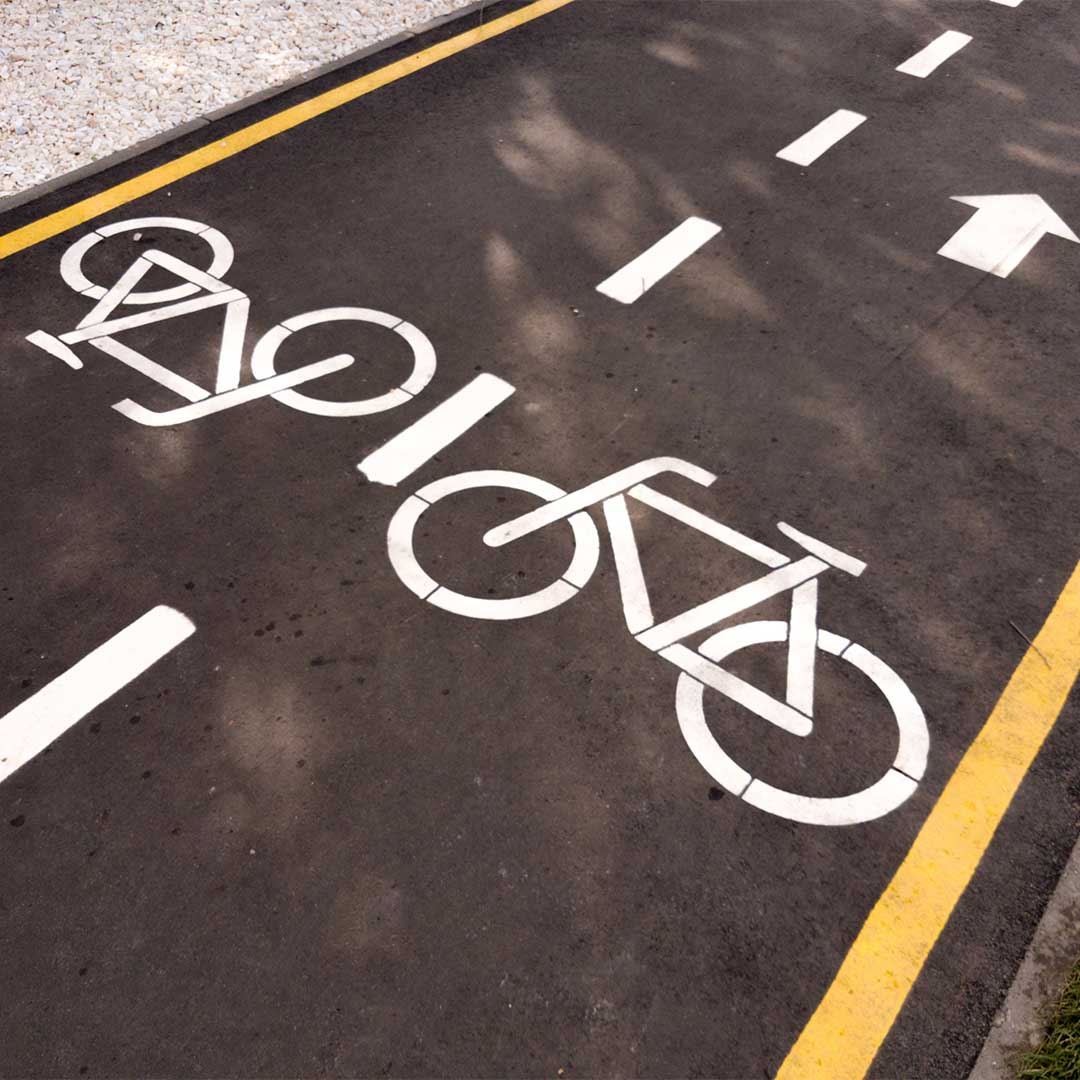
There is nothing wrong with encouraging people to walk more. There is nothing wrong with investing in cycling infrastructure. Healthier lifestyles, reduced congestion, cleaner air, and better public spaces are all worthwhile objectives.
But politics is about priorities.
And at a moment when two defence ministers have resigned because they believe the government is failing to invest adequately in Britain’s security, the announcement of £4.5 billion for cycling and walking projects feels, at best, politically naive and, at worst, negligent.
The timing could hardly be worse.
Europe faces its most dangerous security environment since the end of the Cold War. Russia’s aggression in Ukraine shows no sign of ending. Tensions in the Middle East continue to escalate. Cyber warfare, terrorism, and threats to critical national infrastructure have become permanent features of the geopolitical landscape.
Against that backdrop, Britain’s armed forces and security services are under immense pressure.
Senior military figures have repeatedly warned that the UK has allowed its defence capabilities to diminish. Recruitment remains challenging. Equipment programmes are delayed. Questions remain over the size of the Army, the readiness of the Royal Navy, and the resources available to the Royal Air Force.
It is against this backdrop that respected ministers John Healey and Al Cairns have resigned, arguing that the government is not taking defence spending seriously enough.
One might have expected Downing Street and the Treasury to respond by demonstrating a renewed focus on national security.
Instead, ministers are celebrating billions of pounds being allocated to cycling lanes, walking routes, and active travel schemes.
For many voters, the contrast will be baffling.
The average citizen understands that governments must balance competing priorities. They know investment in transport, health, education, and the environment all matter.
But they also understand a basic truth: before anything else, government has a duty to keep the country safe.
National defence is not simply another spending department competing for resources. It is the first responsibility of the state.
Without security, every other policy ambition becomes secondary.
This is particularly important for a Labour government seeking to reassure business leaders and the wider public that it understands the realities of governing in an increasingly uncertain world.
The perception that ministers are more comfortable funding cycling schemes than strengthening Britain’s armed forces risks reinforcing existing concerns about Labour’s instincts on defence and national security.
The optics are dreadful.
Imagine explaining to a serviceman or woman facing equipment shortages that there is no additional money available for their needs, while billions can be found for active travel projects.
Imagine explaining to defence manufacturers, many of whom provide highly skilled jobs across the North, the Midlands, Scotland, and Wales, that investment constraints remain, while another tranche of funding is directed towards cycle paths.
Or imagine explaining it to voters worried about global instability who see daily headlines about conflicts overseas and rising security threats closer to home.
Of course, supporters of the government’s approach will argue that this is not an either-or choice. They will point out that active travel investment delivers health benefits, reduces pressure on the NHS, improves local communities, and contributes towards environmental goals.
All true.
But politics is often about symbolism as much as substance.
Governments reveal their priorities not simply through what they say but through where they spend their money.
At a time when defence spending is the subject of intense public debate, when military experts are demanding greater investment, and when ministers are walking out of the government, announcing £4.5 billion for walking and cycling projects sends a signal that many people will struggle to understand.
The reality is that Britain can afford cycle lanes. The question is whether Britain can afford to neglect its defence capabilities.
History teaches us that threats rarely arrive at convenient moments. They emerge gradually, often ignored until it is too late. As John Healey said, our adversaries will take no notice of Treasury timescales.
Successive governments of all political colours have sometimes been guilty of believing that tomorrow’s security challenges can be dealt with tomorrow.
That is a dangerous assumption.
Nobody is suggesting that every pound earmarked for active travel should instead be diverted to the Ministry of Defence. But when resources are finite and hard choices must be made, the balance appears increasingly out of kilter.
The government needs to recognise what voters instinctively understand.
A country that cannot defend itself will struggle to deliver any of its wider ambitions.
Cycle lanes are desirable.
National security is essential.
The distinction matters. And right now, ministers appear to have forgotten it.