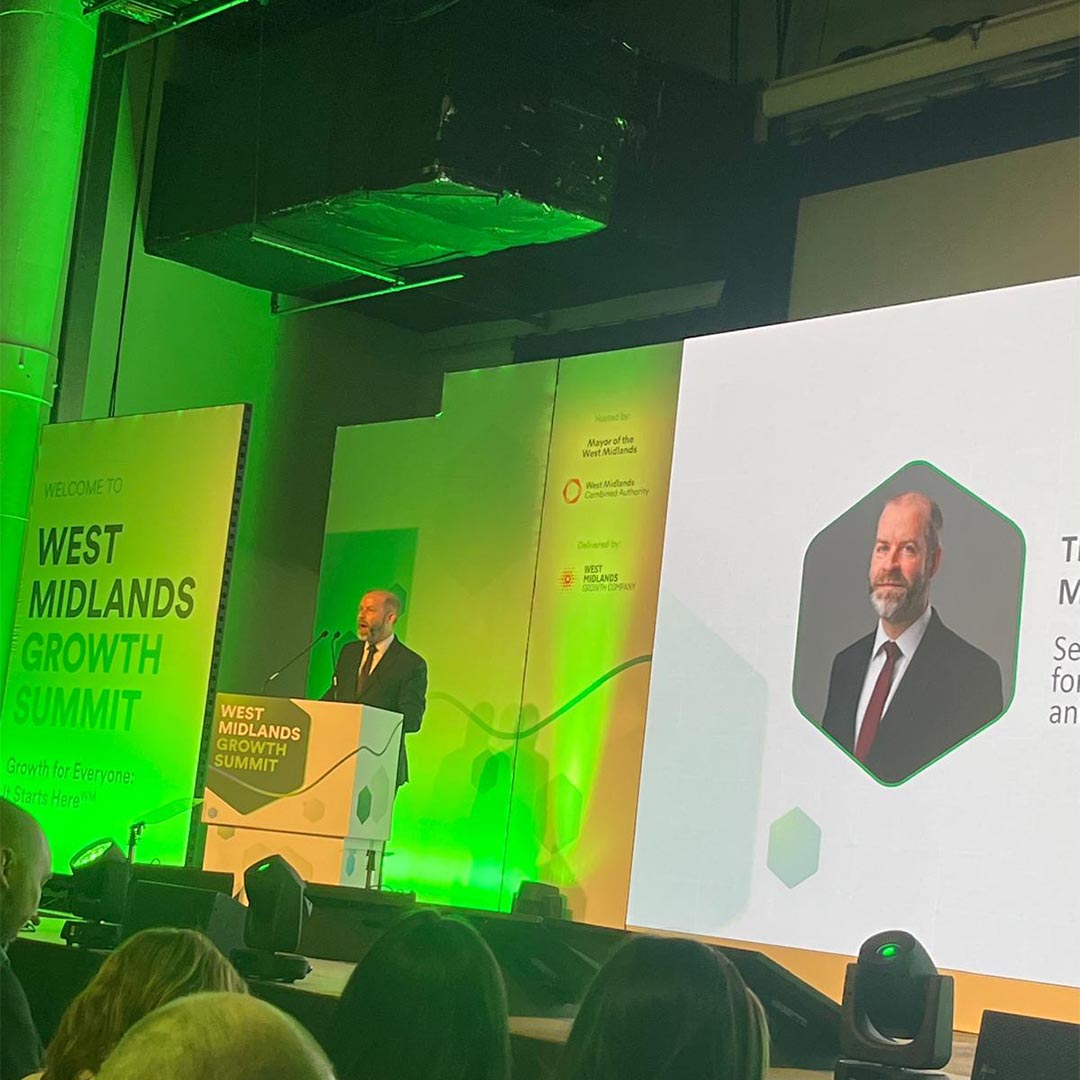
DIB Group chair & chief executive Frank McKenna urges the government to back off more Red Tape and the Work From Home narrative
Few sensible employers now oppose flexible working in principle. The pandemic accelerated changes that were already happening, technology has made remote working possible across many sectors, and greater flexibility can help businesses recruit and retain talented people.
But Labour’s latest proposal risks taking a reasonable workplace conversation and wrapping it in another layer of regulation, bureaucracy and potential conflict.
First Secretary of State Louise Haigh has announced that employers who reject a request to work from home will be expected to sit down with the employee and explain precisely why.
On the face of it, that sounds perfectly reasonable. Good employers already discuss flexible-working requests properly and explain their decisions. Most understand that employees have children to collect, relatives to care for and lives that do not always fit neatly around nine-to-five office hours.
However, the important question is not whether employers should behave reasonably. They should. The question is whether the government needs to legislate for every aspect of that conversation – and what legal risks will follow.
Employees already have a legal right to request flexible working. Employers must consider those requests reasonably and respond within two months. Labour now appears determined to make it more difficult for employers to say no.
That may sound attractive to trade unions, but it ignores a fundamental truth: businesses have to decide how work is organised.
Some roles can be performed effectively from home. Others cannot. Even where the individual tasks can be completed remotely, an employer may reasonably conclude that collaboration, training, creativity, supervision or customer service is stronger when colleagues spend more time together.
There are also questions of fairness. Hospitality workers, construction teams, retail staff, carers, cleaners and many others do not have the option of working from their kitchen table. Office-based employees should not automatically enjoy preferential treatment simply because technology makes remote working possible.
The productivity debate cannot be wished away either. Some employees are highly productive at home. Others are not. Some businesses have made hybrid working a success; others have experienced weaker communication, slower decision-making and a dilution of workplace culture.
Government cannot possibly understand the operational needs of every company better than the people running those businesses.
The danger is that this proposal will create a quasi-legal negotiation around every rejected request. Employers will worry that an insufficiently detailed explanation could be challenged at a tribunal. Managers will require additional guidance and HR support. Small businesses, which do not have large legal and personnel departments, will carry the greatest burden.
At a time when the government says economic growth is its overriding mission, it continues to send employers mixed messages. Ministers say they want businesses to invest, recruit and take risks, while steadily increasing the regulatory cost and complexity of employing people.
That contradiction must be addressed.
Flexible working should be encouraged where it works for both employer and employee. Businesses should consider requests seriously, communicate their decisions clearly and avoid imposing unnecessary attendance requirements. Equally, employees must recognise that flexibility is a two-way street, not an automatic entitlement to determine where they work.
There is a sensible middle ground. Employers could be required to provide a clear business reason for rejecting a request, but that reason should not be vulnerable to endless legal reinterpretation. The government should also make explicit that productivity, collaboration, training, customer requirements and maintaining workplace culture are legitimate considerations.
The best working arrangements are normally agreed through trust, good management and honest conversation—not dictated from Whitehall.
If Labour genuinely wants a more productive and flexible economy, it must avoid creating a system in which every management decision becomes a potential legal dispute.
And one final point that Lou Haigh and her colleagues may wish to consider. The revival of our High Streets, Town and City centres is said to be among Andy Burnham’s priorities.
Without people, it is hard to see how this objective is achieved – and in town and city centres, during the week, those people tend to be those who are working in the local offices and commercial districts.
The last thing this Labour government needs to do is introduce another policy without reflecting on the unintended consequences first. Let’s hope they think again on this one.
The right to request flexible working is reasonable. A presumed right to work from home, with employers forced to defend themselves for saying no, would be a step too far.