There’s a familiar political refrain doing the rounds again: if we open up more drilling in the North Sea, we can bring down energy bills and ease the cost-of-living crisis.
It’s a neat argument. It’s also largely wrong.
The fundamental issue is this: oil and gas are traded in global markets. The price of a barrel of oil extracted from the North Sea is not determined in Aberdeen or Westminster – it’s set internationally. Whether that barrel comes from UK waters, the Middle East, or the United States, it sells at the prevailing global price. There is no patriotic discount for British consumers.
That single point undermines the central claim. Increasing domestic production does not insulate the UK from global price shocks. If international prices rise, UK consumers still pay more, regardless of how much oil we produce ourselves.
There is also a misconception about ownership. North Sea resources are extracted by private companies, not held back as a national reserve for domestic use. Those companies operate in a global marketplace and will sell to whoever pays the best price. That’s not a flaw in the system – it is the system. But it does mean that “drill more at home to pay less at the pump” is a political slogan rather than an economic reality.
Timing is another inconvenient truth. Even if the government issued a wave of new licences tomorrow, it would take years, often the best part of a decade, for new fields to come into meaningful production. Exploration, development, infrastructure, and regulatory processes all take time and significant investment. This is not a lever that can be pulled to address short-term price pressures.
Then there’s the state of the North Sea itself. It’s a mature basin, not an untapped frontier. Production has been declining for decades, and the remaining reserves tend to be smaller, more technically challenging, and more expensive to extract. We are not sitting on the equivalent of a new Saudi Arabia waiting to be unleashed. At best, new drilling would slow decline, not dramatically increase supply in a way that shifts global pricing.
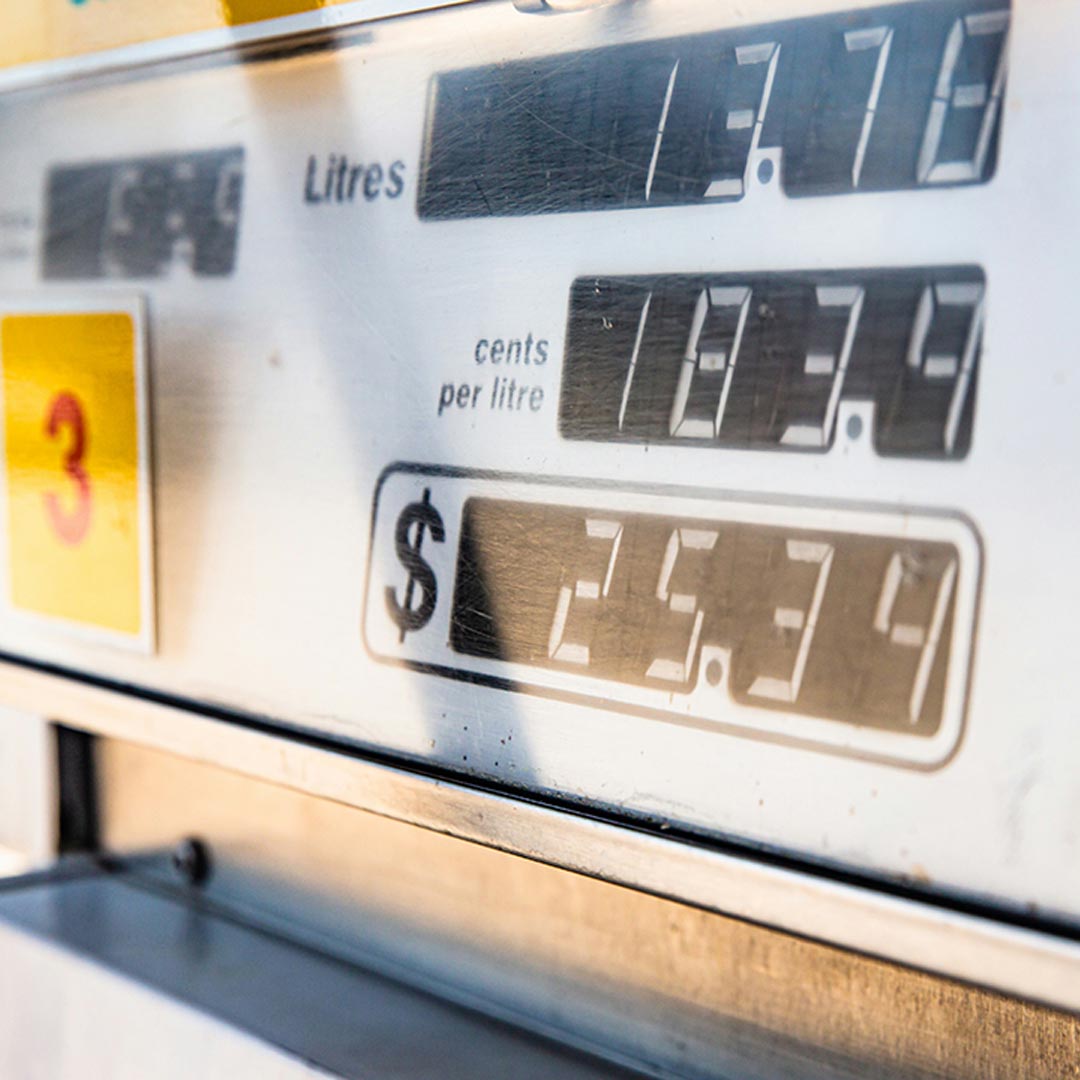
Even if it did, the impact on what consumers actually pay would still be limited. Pump prices are made up of far more than the cost of crude oil. Refining, distribution, and -critically in the UK- taxation play a substantial role. Fuel duty and VAT alone account for a significant proportion of what motorists pay. Without changes in those areas, any marginal shift in crude prices is unlikely to be transformative.
And as far as looking after the planet and global warming is concerned? Well, that’s a whole separate blog…
None of this is to argue against North Sea investment altogether. There are legitimate reasons to support continued production: energy security, jobs, supply chain resilience, and tax revenues. Those are serious policy considerations and deserve a serious debate.
But we should be clear about what new drilling can and cannot achieve.
If the objective is to reduce fuel prices in the near term, the answers lie elsewhere—fiscal policy, market reform, and accelerating the transition to cheaper, domestically generated energy sources.
If the objective is long-term energy resilience, then North Sea policy has a role to play—but it should be framed honestly.
Because presenting long-term supply measures as a quick fix for today’s energy bills isn’t just misleading. It distracts from the real solutions sitting in plain sight.