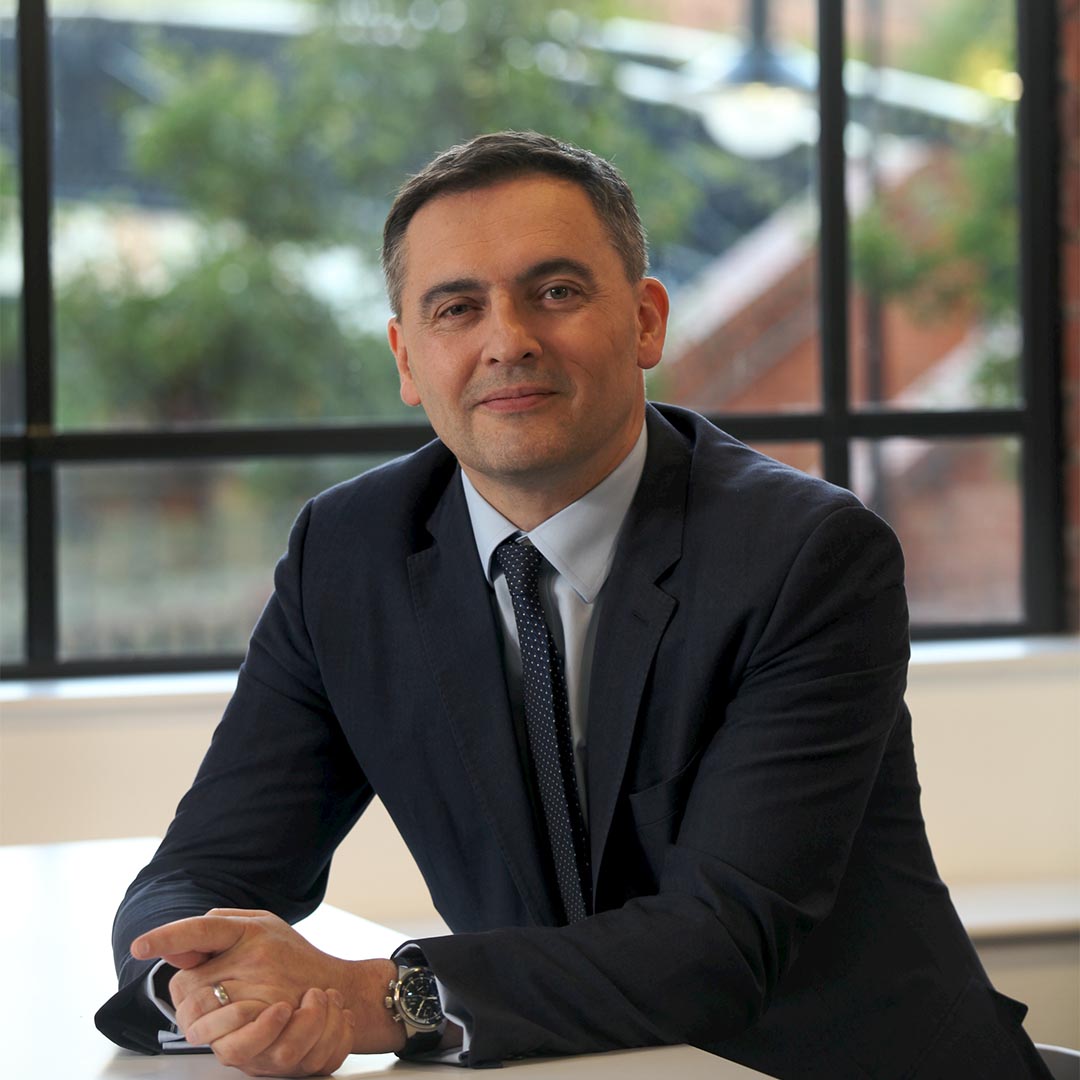
DIB group chair and chief executive Frank McKenna reflects on a prime minister’s conference speech that put Liverpool in the spotlight for all the right reasons.
For all the talk of ‘Manchesterism’ since the election of Andy Burnham as Prime Minister just ten weeks ago, it was the premier’s home city that took centre stage during his first speech to Labour conference as party leader.
There was, inevitably, plenty of nostalgia. Burnham spoke emotionally about his family, his Liverpool roots and the values that shaped him. He talked about Hillsborough and the injustice that played such an important part in his political journey.
But the most significant thing he said about Liverpool was not about its past. It was about its future.
For much of my lifetime, Liverpool has had to battle against a narrative of decline. At its worst, the city was portrayed as a place permanently dependent on handouts, forever complaining about historic injustices and incapable of escaping the political controversies that too often engulfed it.
Some of that criticism was unfair and some of it downright malicious. But we also have to acknowledge that Liverpool has occasionally been its own worst enemy.
Behind the famous Scouse bravado there has, at times, been a loss of confidence in the city. And nowhere has that been felt more keenly than when we have looked 35 miles down the M62 and watched Manchester successfully reinvent itself as a modern, international business city.
That is why Burnham’s speech this week felt significant.
Here was a Prime Minister, born in Liverpool, telling a national audience that the city’s economy is growing faster than the UK economy, celebrating the arrival of Kyndryl and using Liverpool as an example of a place once written off now proving its critics wrong.
For once, Liverpool wasn’t being talked about as a problem that needed fixing. It was being talked about as a city with momentum.
And that distinction matters.
There is a tendency in Liverpool to become overexcited whenever somebody says something nice about us. We have been through enough false dawns to know that speeches alone don’t transform economies.
But something does feel different at the moment.
The success of Liverpool’s visitor economy since the European Capital of Culture in 2008 has been remarkable. Culture, hospitality, music, sport and major events have helped rebuild the city’s international reputation and, perhaps more importantly, its self-confidence.
Liverpool has become a city that people want to visit again.
The challenge has always been converting that success into something deeper.
We have never quite managed to turn the cultural renaissance into an economic renaissance of the same scale. The hotels came, the restaurants came and the visitors came, but the headquarters, major employers and corporate investors did not follow in sufficient numbers.
That is the unfinished business of Liverpool’s regeneration.
And there are now genuine reasons to believe we may finally have an opportunity to address it.
Kyndryl’s decision to establish a major technology hub in Liverpool, with the potential for up to 1,000 jobs, is important not simply because of the numbers involved but because of what it says about the type of economy Liverpool can build.
The same applies to the renewed momentum behind Pall Mall. Liverpool is progressing its first new-build Grade A office development in more than 15 years, with the wider scheme capable of delivering up to 400,000 square feet of high-quality workspace.
For a city of Liverpool’s size and ambition, going that long without building top-quality commercial office space is extraordinary. It tells you something about where we have been. The fact that it is finally being addressed tells you something about where we might be going.
The North Docks offer an opportunity on an entirely different scale. Everton’s magnificent new stadium has already changed perceptions of that part of the waterfront, but the proposed Mayoral Development Corporation gives us the opportunity to do something much bigger, creating a new economic district rather than simply delivering another regeneration scheme.
Alongside that, the £1 billion Kings development is another indication of returning private-sector confidence, combining offices, homes, hospitality and leisure on eight acres of Liverpool’s waterfront.
None of these projects in isolation changes Liverpool’s economy. Taken together, however, they begin to suggest a direction of travel.
Perhaps the clearest indication of that changing direction arrived this week.
UKREiiF, the UK’s major real estate, investment and infrastructure forum, has announced that it will leave Leeds after its 2027 event and move to Liverpool from 2028. The event has grown to more than 17,000 delegates, bringing together investors, developers, government, local authorities and the people responsible for shaping Britain’s cities.
There is something wonderfully symbolic about that.
This year Liverpool City Region travelled to UKREiiF with its biggest-ever delegation, promoting £11 billion of investment opportunities and telling investors that now is the time to invest here.
From 2028, those investors will be coming to us.
That is a huge opportunity, and one Liverpool’s business and civic leaders need to start preparing for now.
It follows confirmation that Labour will return to Liverpool for its annual conference again in 2027. This year’s gathering attracted more than 20,000 people, hosted more than 500 fringe events and is estimated to have generated around £30 million for the local economy.
There is a broader point here. Liverpool has become exceptionally good at hosting the world. Eurovision demonstrated it. Labour conference demonstrates it year after year. Our football clubs demonstrate it every weekend. The Grand National does it every spring. Our music, hospitality and cultural sectors do it every day.
Now UKREiiF is coming too.
The opportunity is to use that ability to host people not simply to fill hotel rooms and restaurants, important though that is, but to build relationships that lead to investment.
That is the next stage.
Because Liverpool already has something most cities would spend fortunes trying to manufacture: a global identity.
Mention Liverpool almost anywhere in the world and people know the city. The Beatles remain an extraordinary international calling card, but modern Liverpool has plenty of cultural confidence of its own.
Jodie Comer and Stephen Graham demonstrate that Liverpool is still producing world-class creative talent. The Royal Liverpool Philharmonic Orchestra remains one of Britain’s great cultural institutions. Liverpool Biennial brings an international contemporary arts audience to the city. Our universities, colleges and cultural organisations continue to produce the talent on which the next generation of the city’s economy will depend.
We should celebrate all of that. But we should also recognise that culture and economic growth are not separate conversations.
The reason talented people want to live in great cities is because great cities are interesting. They have music, culture, sport, restaurants, architecture, universities, nightlife and personality.
Liverpool has those things in abundance. What it hasn’t always had is an economy commensurate with its reputation -that is what needs to change.
There has been much discussion about ‘Manchesterism’ since Burnham entered Downing Street. Liverpool should absolutely learn from Manchester’s success. One of Manchester’s great achievements over the past three decades has been its ability to build long-term relationships between political leaders, civic institutions and the private sector around a broadly shared ambition for growth.
But Liverpool doesn’t need to become Manchester. Indeed, trying to do so would be a mistake.
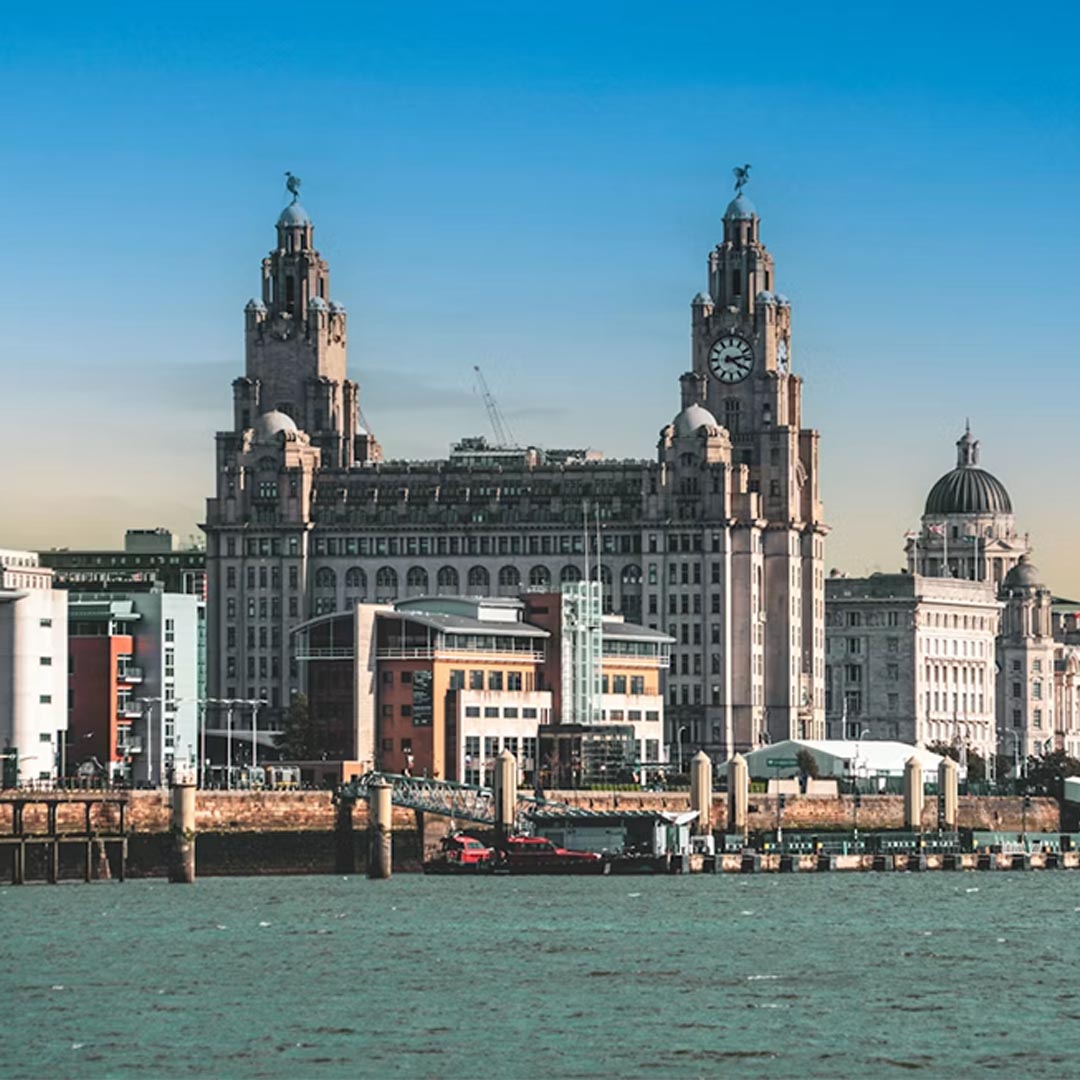
Liverpool’s proposition is different. We are an international port city with an extraordinary cultural brand, a world-famous waterfront, two major football clubs, globally recognised universities and cultural institutions, a growing visitor economy and emerging strengths in technology, AI, health and life sciences.
The task is to turn those assets into a coherent economic proposition. Perhaps that is what ‘Liverpoolism’ should mean.
Not another slogan or marketing campaign, but a recognition that the things that make Liverpool distinctive can also become the foundations of its future prosperity.
There is already serious financial firepower available. The Liverpool City Region has established a £2 billion Investment Fund intended to unlock development and attract private capital, with its first tranche targeting more than half a million square feet of commercial space and thousands of jobs.
The opportunity, therefore, is no longer difficult to identify. The challenge is delivery.
That means political stability. It means a public sector that understands and welcomes business. It means a private sector prepared to be more ambitious. It means developers being able to get projects moving. And it means ensuring that institutions such as the City of Liverpool College and our universities connect Liverpool people with the jobs being created in technology, AI, life sciences, construction and the other growth industries of the future.
Most importantly, it requires Liverpool to recover something it once had in abundance: economic swagger.
For too long, our national story has been dominated by what happened to Liverpool – industrial decline, political battles, injustice and controversy.
Those things are part of our history and should never be forgotten.
But they cannot define our future.
Liverpool now has an opportunity to tell a very different story: of a city that rediscovered its cultural confidence after 2008 and is now determined to rediscover its economic confidence too.
The Prime Minister’s speech this week suggested that story is beginning to be noticed beyond the city.
· Labour is coming back next year.
· UKREiiF is coming the year after.
· Investors are beginning to look again.
· Major developments are moving.
· And, remarkably enough, we even have a Scouse Prime Minister.
There will probably never be a perfect moment when all the stars align for Liverpool.
But there are moments when opportunity, confidence and political attention come together. This feels like one of them.
Liverpool’s time may well be now.
The responsibility of the city’s business and civic leaders is to make damn sure we don’t waste it.